
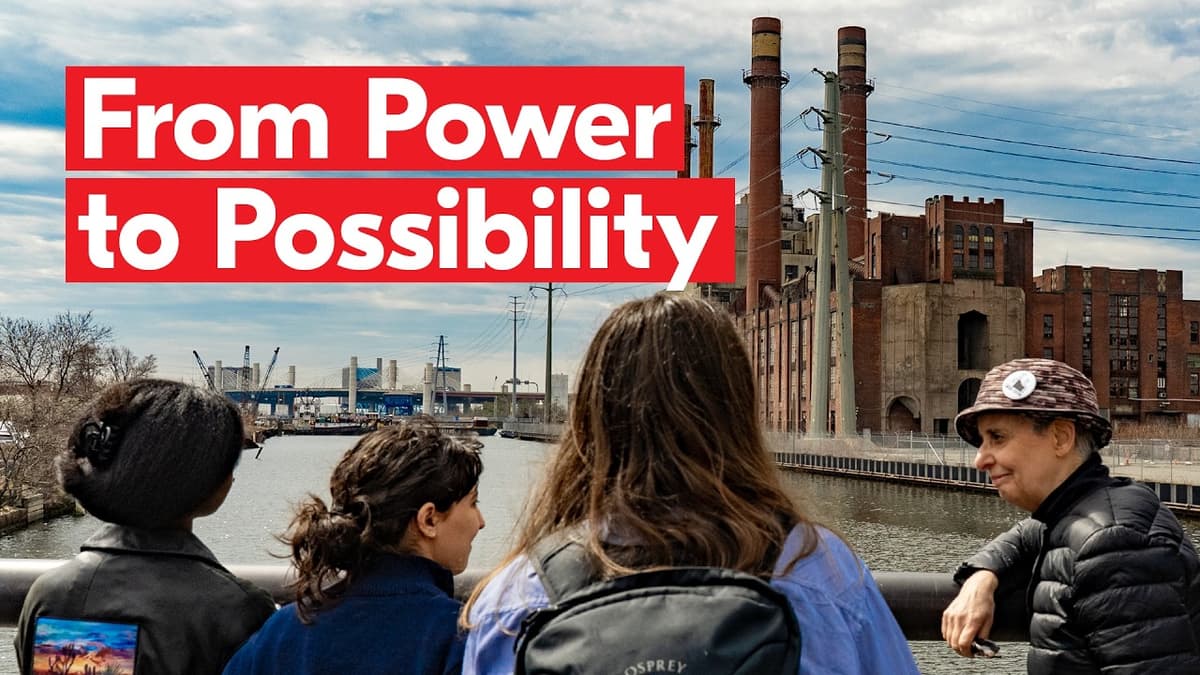
From Power to Possibility: Adaptive Reuse of Industrial Giants (Symposium)
The Yale‑hosted webinar examined how decommissioned fossil‑fuel power plants can shift from demolition to adaptive reuse, positioning these massive waterfront structures as assets for a clean‑energy future. Speakers highlighted the urgency of preserving embodied carbon, restoring historic landscapes, and addressing environmental justice in frontline communities that have long borne industrial burdens. Key insights included a four‑category framework for post‑industrial sites: allowing ruin, converting to cultural or institutional venues, retrofitting for renewable generation, and creating mixed‑use public spaces. Case studies such as New Haven’s English Station, London’s Battersea Power Station, Chicago’s Sears plant, and Havana’s Antonio Maceo facility illustrated how existing grid connections, iconic architecture, and community input can drive sustainable redevelopment. Notable remarks underscored the cultural resonance of these “castles on the water”: Farwell likened power plants to romantic landmarks, while Nina Rapoport invoked Venturi’s “glove” metaphor to describe their exposed, adaptable infrastructure. Daniel Campo described an “accidental playground” born from vacant waterfronts, emphasizing grassroots reclamation when markets fail. The discussion signals a roadmap for policymakers, developers, and planners: repurposing power plants can lock in carbon savings, generate clean energy, and deliver public amenities, thereby aligning urban revitalization with climate goals and equitable growth.
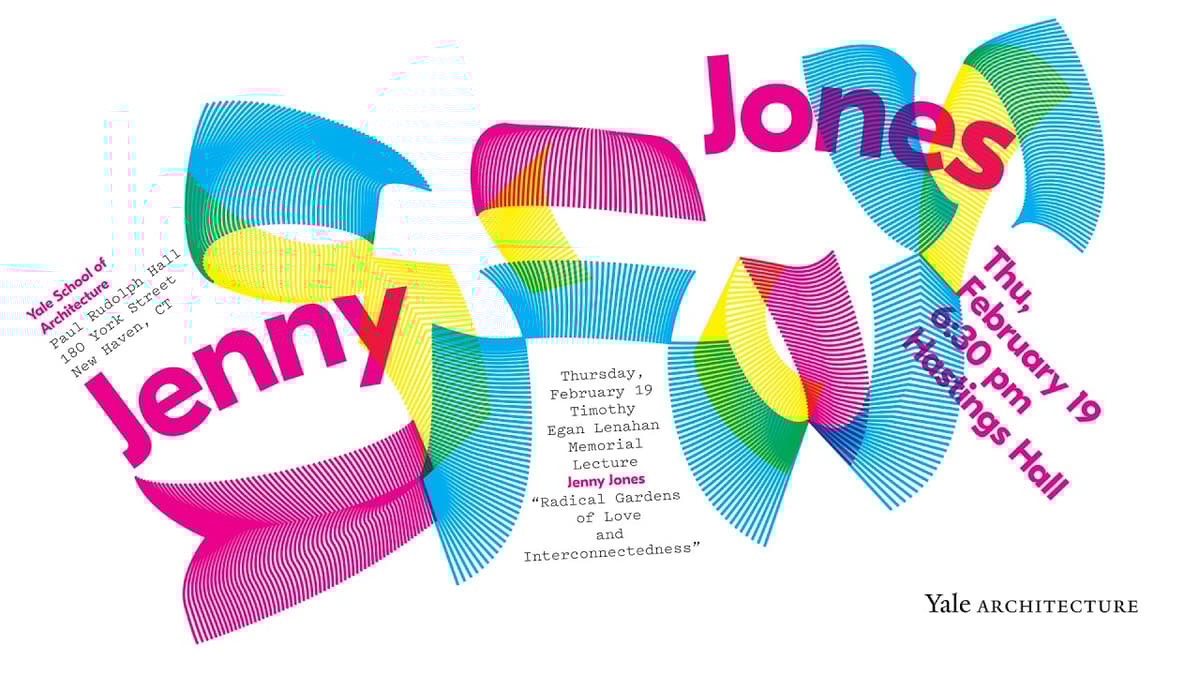
Jenny Jones: Radical Gardens of Love and Interconnectedness
The 33rd annual Timothy Lanahan Lecture at Yale’s School of Architecture featured Jenny Jones, co‑founder of Terramodto, who presented her firm’s “radical gardens of love and interconnectedness” framework. The talk honored Lanahan’s legacy and linked the event to broader conversations...