Ukraine’s ‘Kinetic Sanctions’ Change the Game
Companies Mentioned
Why It Matters
The attacks dramatically raise the cost and danger of violating sanctions, threatening the viability of Russia's shadow‑fleet and reshaping global oil‑shipping risk calculations.
Key Takeaways
- •Ukraine attacks Russian shadow‑fleet tankers using maritime drones.
- •Insurance premiums for Black Sea vessels surged up to 300%.
- •Russian seaborne crude exports fell 30% after attacks.
- •Turkey’s major tanker operator halted Russian cargo transport.
- •Shadow‑fleet damage may affect 5‑10% of core vessels.
Pulse Analysis
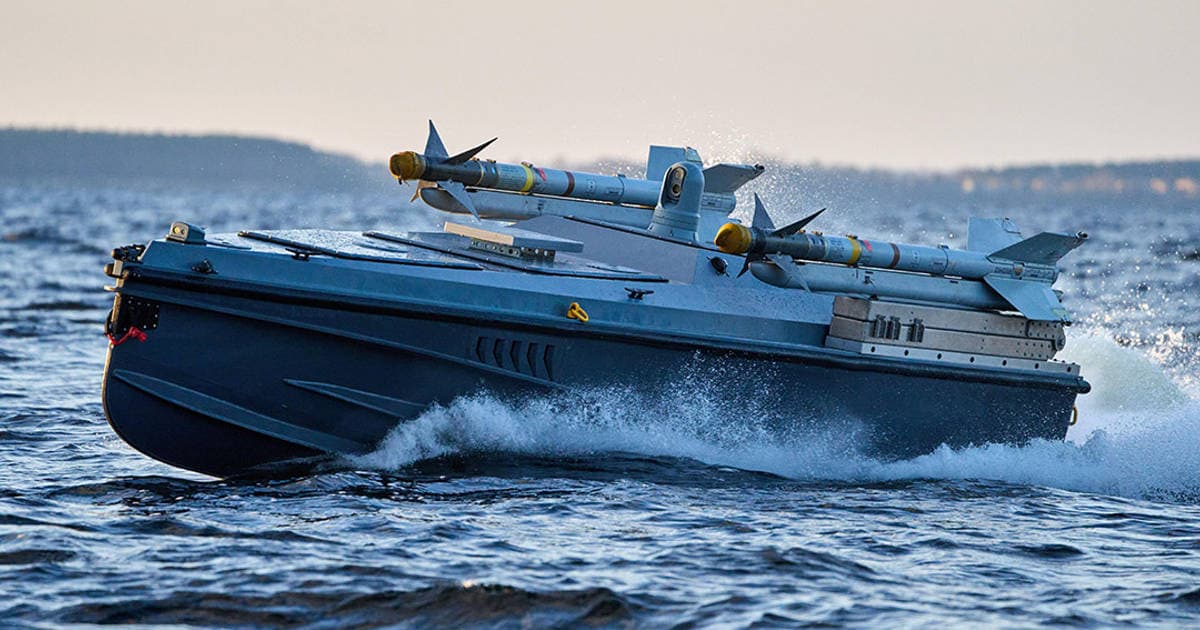
Ukraine’s "kinetic sanctions" represent a watershed in maritime conflict, blurring the line between conventional warfare and economic coercion. By deploying sea‑borne drones and alleged limpet mines, Kyiv has turned the shadow‑fleet—a loosely regulated network of flagged vessels—into a direct target. This escalation not only undermines Russia’s ability to move crude oil but also challenges the efficacy of existing sanctions regimes, forcing policymakers to consider physical interdiction alongside diplomatic pressure.
The ripple effects are already evident in the insurance market. Premiums for ships operating in the Black Sea have jumped as much as 300%, with rates doubling again in January, reflecting insurers’ recalibrated risk models. Shipping firms, especially those based in Turkey, are exiting the Russian oil trade, citing untenable exposure to attacks and the potential loss of vessels. The broader tanker shortage amplifies these pressures, as fewer safe vessels remain to service global oil flows, prompting shippers to seek alternative routes or higher‑priced charter contracts.
For Russia, the kinetic campaign strikes at a critical revenue stream that funds roughly 20% of its federal budget and the war effort. Combined with Western price‑cap measures and tighter export controls, the loss of 5‑10% of its core shadow‑fleet could force Moscow to renegotiate contracts, offer deeper discounts, or accelerate the search for illicit workarounds. Legal ambiguities surrounding flagging and insurance further complicate liability, leaving shipowners and ports to reassess the cost‑benefit of handling Russian cargoes. As Ukraine’s drone capabilities mature, the maritime domain is likely to become an increasingly contested arena, reshaping global oil logistics and sanction compliance strategies.
Ukraine’s ‘Kinetic Sanctions’ Change the Game


Comments
Want to join the conversation?
Loading comments...