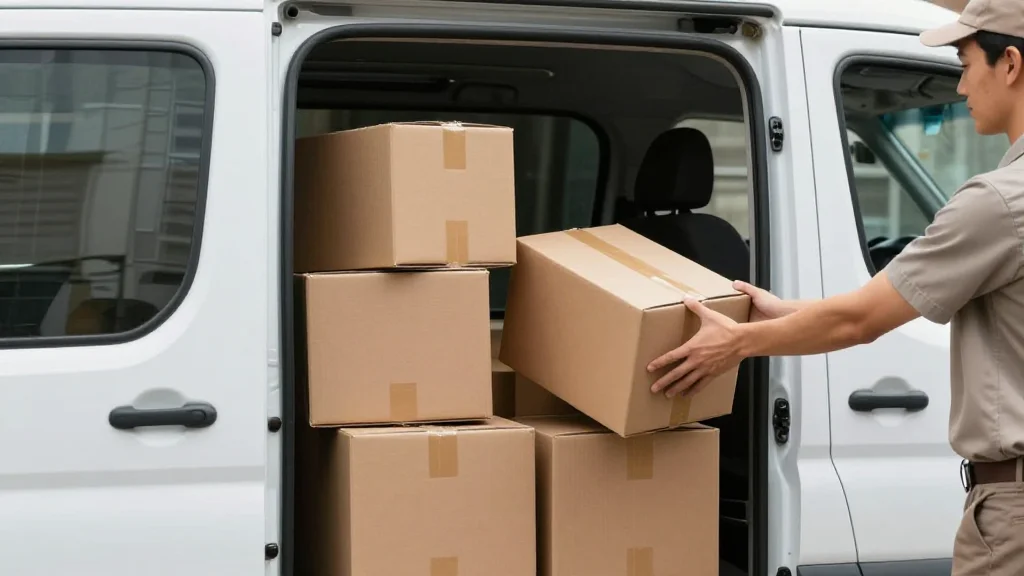
Amazon Expands 30‑minute Delivery to 12 U.S. Cities, Targeting Tens of Millions More Shoppers

Companies Mentioned
Why It Matters
Amazon’s rapid expansion of 30‑minute delivery signals a decisive shift in consumer expectations for e‑commerce speed. By making sub‑hour fulfillment widely available, Amazon forces the entire retail ecosystem to re‑evaluate inventory placement, logistics spend and the economics of last‑mile delivery. The competitive response from Walmart, Target and Instacart will likely accelerate investment in micro‑fulfillment centers and AI‑driven routing, reshaping the cost structure of online retail. The race also has broader societal implications. Faster delivery can increase traffic congestion and carbon emissions unless offset by greener fleets or consolidated routing. Moreover, the reliance on gig‑economy couriers raises labor‑rights debates that could prompt new regulations. As the industry pushes the envelope on speed, stakeholders—from merchants to policymakers—must balance convenience with sustainability and fair labor practices.
Key Takeaways
- •Amazon Now now serves 12 U.S. metros, including Atlanta, Dallas‑Fort Worth, Philadelphia and Seattle
- •Service offers 30‑minute delivery of thousands of items, operating 24/7 in most markets
- •Amazon aims to reach tens of millions more customers by year‑end
- •Walmart reports >60% YoY growth in orders delivered under three hours
- •Target and Instacart are expanding their own sub‑hour delivery options to compete
Pulse Analysis
Amazon’s aggressive push into ultra‑fast delivery is less about a single service launch and more about cementing a new baseline for e‑commerce speed. Historically, same‑day delivery was a premium offering limited to high‑value items; Amazon Now flips that model by targeting everyday essentials and low‑margin categories, betting that volume will offset the higher per‑order cost. This strategy mirrors the company’s earlier gamble on Prime, where a subscription fee was justified by a suite of convenience features. By bundling 30‑minute delivery into the Prime ecosystem, Amazon could increase subscription stickiness while extracting incremental revenue from higher‑frequency orders.
From a competitive standpoint, Walmart’s physical store network provides a natural advantage in the quick‑commerce arena, allowing it to turn retail space into fulfillment hubs without the capital outlay of new warehouses. However, Amazon’s scale and technology stack—particularly its AI‑driven inventory forecasting and autonomous delivery pilots—give it a formidable edge in densely populated metros where store density is lower. Target’s partnership with Shipt and Instacart’s marketplace model represent hybrid approaches that blend retailer inventory with third‑party logistics, but both will need to accelerate infrastructure rollouts to keep pace.
The broader market impact will likely be a compression of delivery margins across the board. As retailers chase sub‑hour promises, the cost per mile for last‑mile carriers will rise, prompting a wave of consolidation among logistics firms and a push for more sustainable delivery methods, such as electric bikes and micro‑hubs powered by renewable energy. In the short term, consumers stand to benefit from unprecedented convenience, but the long‑term sustainability of the model will hinge on how quickly the industry can innovate around cost, labor and environmental challenges.
Amazon expands 30‑minute delivery to 12 U.S. cities, targeting tens of millions more shoppers
Comments
Want to join the conversation?
Loading comments...