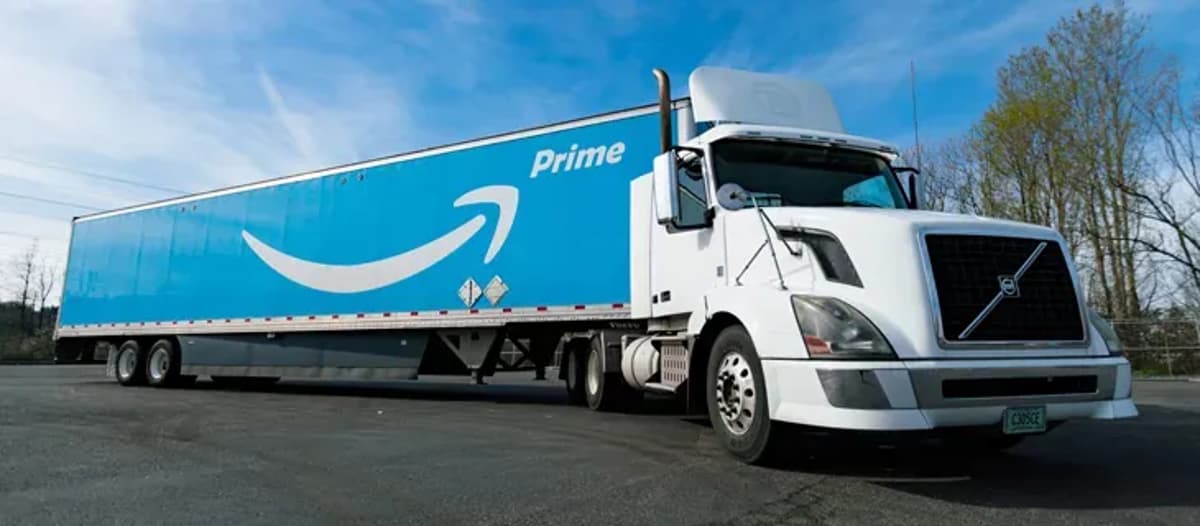
Amazon Expands Freight Offering for All Businesses
Companies Mentioned
Why It Matters
Shippers gain access to Amazon’s logistics technology and scale at LTL rates, potentially reshaping the U.S. freight market and pressuring incumbent carriers.
Key Takeaways
- •Amazon expands LTL service to all U.S. businesses.
- •LTL shipments handle 1‑6 pallets, 150‑15,000 lbs.
- •Real‑time GPS, sensor‑equipped fleet boost visibility and security.
- •Drop‑trailer pool simplifies yard operations across LTL and full‑truckload.
- •Amazon’s 80k trailers and 24k containers support scalable capacity.
Pulse Analysis
Amazon’s decision to open its less‑than‑truckload (LTL) platform to any U.S. business marks a strategic shift from a retailer‑only tool to a full‑scale logistics service. The LTL market, traditionally dominated by regional carriers, has struggled with fragmented technology and limited visibility. By allowing shipments as small as a single pallet up to 15,000 lb, Amazon gives midsize and small manufacturers a cost‑effective alternative to full‑truckload contracts. The rollout builds on the company’s existing network of more than 80,000 trailers and 24,000 intermodal containers, ensuring that capacity can scale with seasonal spikes.
The service’s competitive edge lies in Amazon’s technology stack. Real‑time GPS tracking, cargo‑camera monitoring, and door‑sensor alerts provide end‑to‑end visibility that most LTL operators cannot match. Integrated EDI links directly to customers’ ERP systems, automating order tendering, shipment updates and invoicing. A unified drop‑trailer pool reduces yard congestion by allowing both LTL and full‑truckload loads to share the same pool, while experienced LTL drivers handle multi‑stop routing and dock procedures. These features translate into faster transit times and lower administrative overhead for shippers.
The expansion threatens incumbent LTL carriers such as XPO, Old Dominion and YRC, which may need to accelerate their own digital upgrades to stay relevant. For Amazon, the move deepens its ecosystem, locking in more third‑party sellers and distributors who now rely on its logistics backbone. As e‑commerce volumes continue to rise, the ability to offer scalable, technology‑driven freight at lower cost could shift market share away from traditional trucking firms. Observers will watch adoption rates closely, as broader industry acceptance could redefine freight pricing dynamics across the United States.
Amazon expands freight offering for all businesses
Comments
Want to join the conversation?
Loading comments...