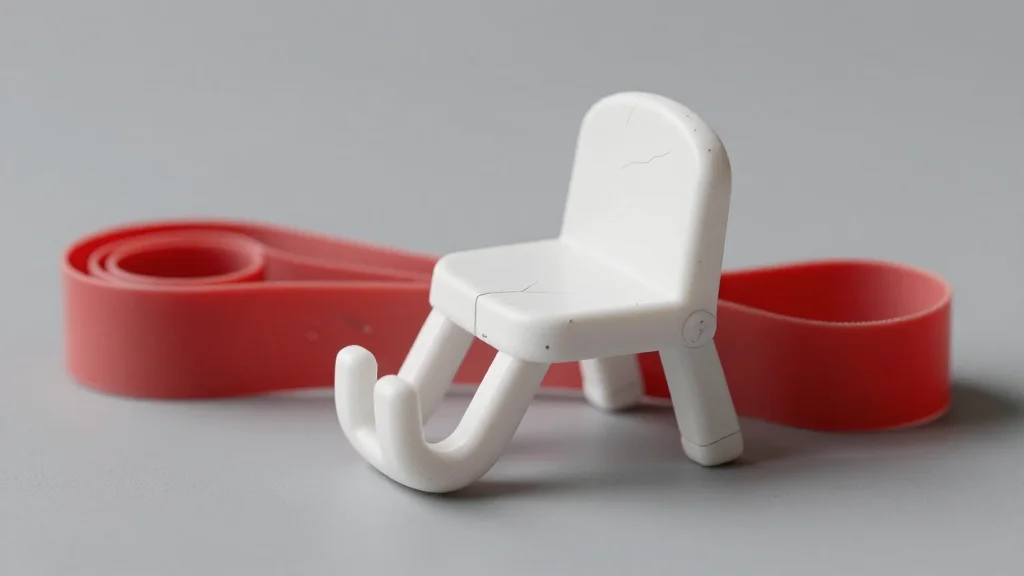
Amazon Recalls 9,700 Kids' Chairs and 700 Fitness Bands Over Serious Injury Risk

Companies Mentioned
Why It Matters
The recall highlights a growing tension between the convenience of third‑party marketplaces and the responsibility to ensure product safety. When unsafe items slip through Amazon’s vetting process, consumer trust erodes, potentially prompting shoppers to shift toward platforms with stricter controls. For regulators, the episode provides a concrete example of why existing safety standards may need updating to address the scale and speed of online retail. For sellers, the incident serves as a warning that compliance failures can lead to costly recalls, brand damage, and tighter marketplace rules. The broader e‑commerce ecosystem may see increased investment in AI‑driven safety screening, more rigorous certification requirements, and greater collaboration between platforms and agencies to pre‑empt hazards before products reach shoppers.
Key Takeaways
- •CPSC ordered recall of ~9,700 PandaEar children’s hook‑on chairs and ~700 HomeProGym resistance bands
- •Chairs sold for about $25 each; bands priced $40‑$296
- •Recall covers sales on Amazon from Feb 2022‑Nov 2025 (chairs) and Dec 2025‑Apr 2026 (bands)
- •Amazon urges consumers to stop use, disassemble, and submit photos for refunds
- •Incident raises pressure on Amazon to tighten third‑party product‑safety oversight
Pulse Analysis
Amazon’s marketplace model thrives on low‑friction entry for sellers, but that very openness can become a liability when safety standards are breached. Historically, the company has relied on post‑sale reporting and voluntary compliance, a strategy that works for low‑risk items but falters with products that can cause severe injury. The current recall underscores a shift: regulators are no longer content to wait for accidents before intervening, and they expect platforms to act preemptively.
From a competitive standpoint, the recall could advantage rivals that market stricter vetting processes, such as Walmart’s Marketplace, which recently announced a "Safety First" certification for high‑risk categories. If Amazon does not accelerate its internal safety checks, it risks losing a segment of safety‑conscious shoppers. Conversely, a robust response—enhanced AI screening, mandatory third‑party safety audits, and transparent reporting—could reinforce Amazon’s position as the default destination for a wide range of goods while restoring confidence.
Looking ahead, the episode may catalyze legislative action. Lawmakers have floated bills that would require large online retailers to certify product compliance before listing. Should such measures pass, Amazon would need to overhaul its onboarding workflow, potentially slowing the influx of new sellers but improving overall product quality. The recall, therefore, is not just a short‑term disruption; it signals a possible inflection point where e‑commerce platforms must balance scale with safety to sustain long‑term growth.
Amazon Recalls 9,700 Kids' Chairs and 700 Fitness Bands Over Serious Injury Risk
Comments
Want to join the conversation?
Loading comments...