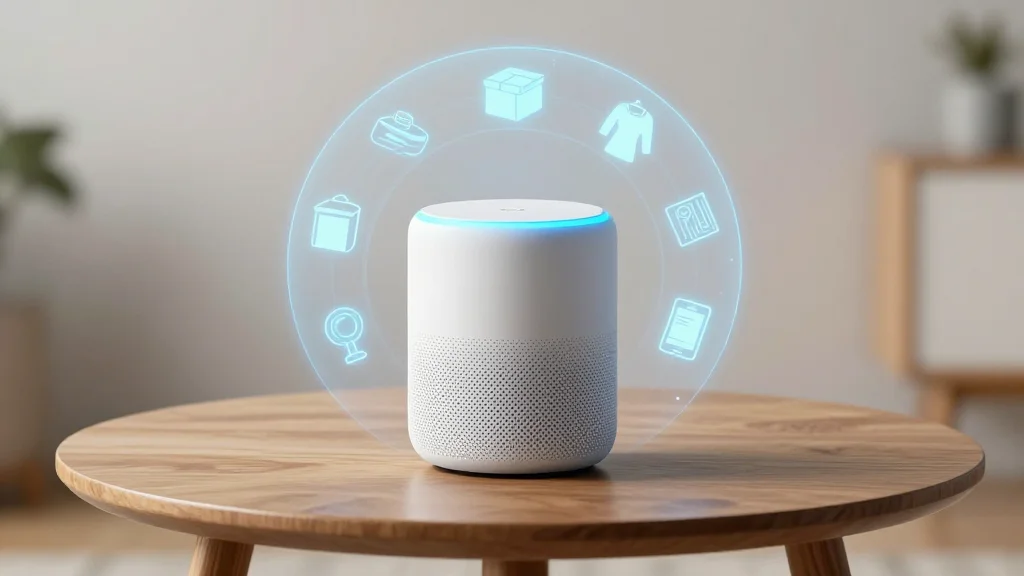
Amazon Swaps Rufus for Alexa‑Powered Shopping Assistant, Rolling Out to All US Shoppers

Companies Mentioned
Why It Matters
Alexa for Shopping marks the first time Amazon has made a generative‑AI shopping assistant universally available without a Prime lock, potentially reshaping how U.S. consumers discover and purchase products online. By embedding conversational AI directly into the search experience, Amazon reduces friction, increases basket size and gathers richer behavioral data, giving it a competitive edge over rivals that still rely on traditional search interfaces. The rollout also raises broader questions about data privacy and market concentration. As Amazon blends voice‑assistant data with e‑commerce signals, it can fine‑tune personalization at a scale few competitors can match. If successful, the model could accelerate the industry‑wide shift toward AI‑first retail experiences, prompting regulators and consumer‑rights groups to examine data‑use practices more closely.
Key Takeaways
- •Amazon retires Rufus and launches Alexa for Shopping for all U.S. customers within a week
- •Assistant is free and does not require Prime membership
- •Alexa can compare products, show price history, set alerts and purchase from other retailers via "Buy for Me"
- •Rajiv Mehta describes the new tool as a "personal shopper who already knows you"
- •Amazon’s AI rollout competes directly with Walmart’s Sparky and other retail assistants
Pulse Analysis
Amazon’s decision to replace Rufus with Alexa for Shopping is less a product swap than a strategic consolidation of its AI assets. By folding Rufus’s catalog‑centric intelligence into Alexa Plus, Amazon eliminates the need for shoppers to toggle between a specialized assistant and the broader Alexa ecosystem. This unification simplifies the user experience and creates a single data lake that fuels both retail recommendations and Amazon Web Services’ AI offerings, reinforcing the company’s cross‑segment synergies.
From a competitive standpoint, the move sharpens the AI arms race that has been simmering between Amazon and Walmart. Walmart’s Sparky, while still nascent, has already demonstrated measurable lifts in average order value. Amazon’s advantage lies in its massive micro‑fulfillment network and its ability to pair conversational AI with ultra‑fast delivery options like 30‑minute service. If Alexa for Shopping can drive higher conversion rates comparable to the "double" engagement reported for Rufus, Amazon could widen the gap in shopper spend per visit, a metric that directly feeds its advertising and Prime revenue streams.
However, the rollout is not without risk. The integration of voice‑assistant data with purchase histories intensifies privacy concerns, especially as regulators scrutinize big‑tech data practices. Amazon’s reliance on a free, universally accessible assistant also means it must monetize the feature indirectly, likely through increased sales velocity and higher‑margin services. The success of this model will hinge on user adoption rates, the accuracy of AI recommendations, and the company’s ability to keep the assistant transparent and trustworthy. In the next 12‑18 months, market observers will gauge whether Alexa for Shopping becomes the new standard for conversational commerce or a costly experiment that forces Amazon to recalibrate its AI strategy.
Amazon swaps Rufus for Alexa‑Powered Shopping Assistant, rolling out to all US shoppers
Comments
Want to join the conversation?
Loading comments...