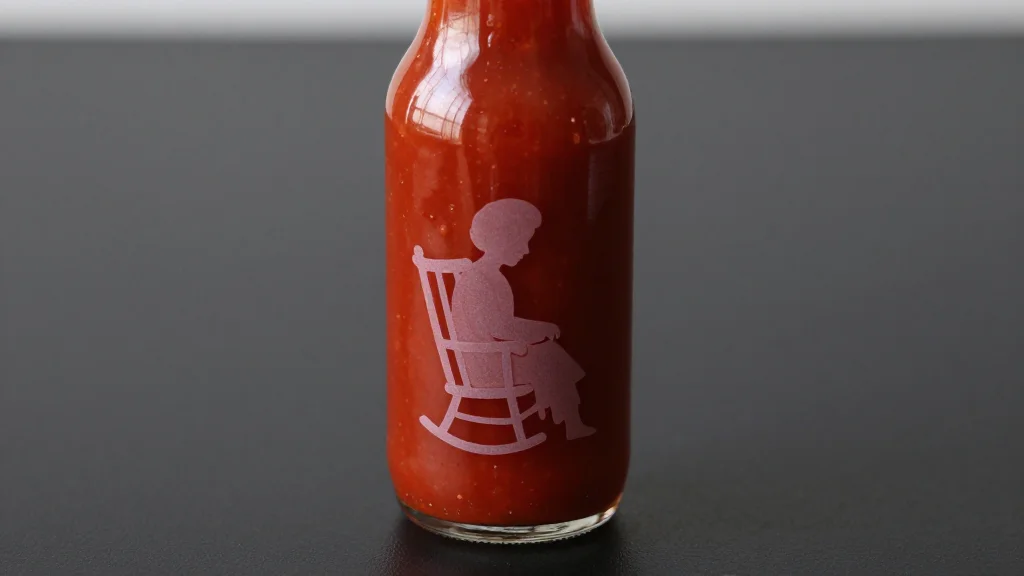
Amazon Turns ‘Jury Duty’ Hot Sauce Fiction Into Real‑World Sale

Companies Mentioned
Why It Matters
The launch illustrates a new revenue engine for streaming platforms: turning on‑screen fiction into purchasable goods. By merging content creation with retail execution, Amazon can monetize audience engagement beyond subscription fees, creating a feedback loop where viewership drives sales and sales data informs future content decisions. This model could reshape how media companies think about product placement, shifting from passive brand mentions to active commerce partnerships. For the broader e‑commerce sector, the case signals that novelty and impulse purchases can be amplified when tied to cultural moments. Brands that can embed products within popular narratives may achieve higher conversion rates, especially when the purchase path is frictionless within the same ecosystem. As streaming services continue to compete for attention, integrated commerce offers a differentiator that could attract advertisers and creators alike.
Key Takeaways
- •Amazon lists the fictional “Rockin’ Grandmas” hot sauce from “Jury Duty” on its marketplace
- •The product is manufactured by a real hot‑sauce maker and fulfilled through Amazon Prime
- •Social‑media buzz generated immediate consumer interest and early sales exceed expectations
- •The launch exemplifies a new media‑driven e‑commerce model linking streaming content to direct sales
- •Success could lead to additional merchandise tied to future episodes or other Amazon series
Pulse Analysis
Amazon’s decision to monetize a fictional product from a reality‑style series reflects a strategic pivot toward commerce‑centric content. Historically, product placement has been a one‑way street: brands pay for screen time, but the audience must seek out the item elsewhere. By closing that loop, Amazon captures the entire value chain—from ad impression to checkout—within its own platform. This not only boosts average order value but also enriches its data lake with cross‑modal insights linking viewing habits to purchasing patterns.
The move also positions Amazon against competitors like Netflix and Disney+, which have experimented with limited‑edition merch but lack a built‑in retail arm of comparable scale. Amazon can leverage its logistics, Prime membership incentives, and recommendation algorithms to push the product to viewers at the moment of peak interest. If the hot sauce’s sales velocity proves sustainable, we may see a cascade of similar launches, ranging from fictional coffee blends in drama series to branded tech gadgets in sci‑fi shows.
However, the model carries risks. Over‑saturation of novelty items could dilute brand credibility, and consumers may grow skeptical if every plot point becomes a sales pitch. Amazon will need to balance authenticity with commercial ambition, ensuring that merchandise feels like a natural extension of the story rather than a forced cash grab. The outcome of this experiment will likely inform the next wave of integrated content‑commerce strategies across the streaming industry.
Amazon Turns ‘Jury Duty’ Hot Sauce Fiction into Real‑World Sale
Comments
Want to join the conversation?
Loading comments...