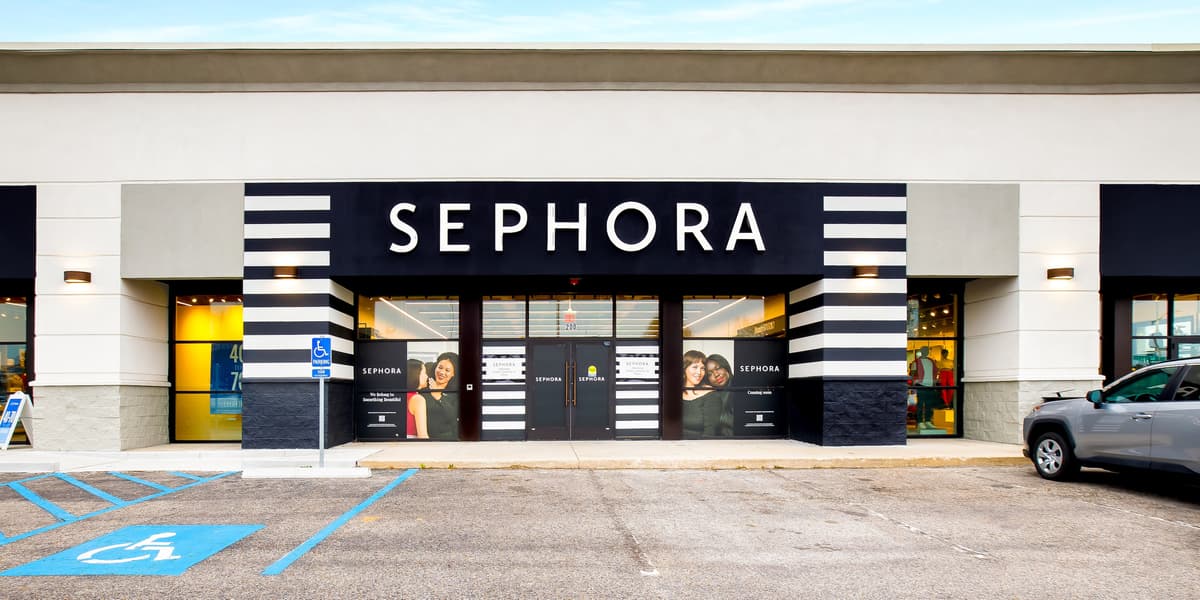
Beauty Briefing: What to Know About Sephora’s and Ulta’s AI Partnerships
Why It Matters
AI‑driven personalization is becoming a competitive differentiator for beauty retailers, potentially lifting conversion rates and average order values while reshaping consumer expectations. The broader market growth and legal skirmishes underscore the high stakes of brand equity in an increasingly digital landscape.
Key Takeaways
- •Sephora embeds ChatGPT for real‑time product advice.
- •Ulta partners with Google Gemini to power virtual beauty assistant.
- •AI tools aim to boost conversion and average order value.
- •Beauty sector Q1 sales up 5% per Circana report.
- •Legal dispute: Zara counters Estée Lauder over Jo Malone naming.
Pulse Analysis
The beauty industry’s rapid adoption of generative AI reflects a strategic shift toward hyper‑personalized commerce. Sephora’s deployment of ChatGPT enables shoppers to ask natural‑language questions about shade matching, ingredient safety, and trend recommendations, reducing friction and shortening the decision cycle. By leveraging OpenAI’s language model, Sephora can also gather real‑time sentiment data, informing inventory and marketing tactics. This mirrors a broader retail trend where AI serves as both sales catalyst and insight engine.
Ulta’s alliance with Google Gemini takes a slightly different tack, embedding a multimodal AI that can interpret images, videos, and text. Shoppers can upload a selfie to receive virtual try‑on suggestions, while the system cross‑references purchase history to surface complementary products. The Gemini integration promises higher average order values by nudging consumers toward bundles and limited‑edition releases. For both retailers, the AI rollout is a hedge against the growing dominance of direct‑to‑consumer brands that already rely on data‑driven personalization.
Beyond the tech partnerships, the sector’s fundamentals remain robust. Circana’s Q1 data shows a 5% rise in U.S. beauty sales, driven by strong demand for skincare and clean‑beauty categories. However, brand‑protection challenges persist, as illustrated by Zara’s rebuttal to Estée Lauder’s lawsuit over the Jo Malone name. Companies must balance innovation with vigilant trademark enforcement to safeguard equity. As AI becomes embedded in the consumer journey, retailers that combine cutting‑edge technology with rigorous brand stewardship are poised to capture the next wave of growth.
Beauty Briefing: What to know about Sephora’s and Ulta’s AI partnerships
Comments
Want to join the conversation?
Loading comments...