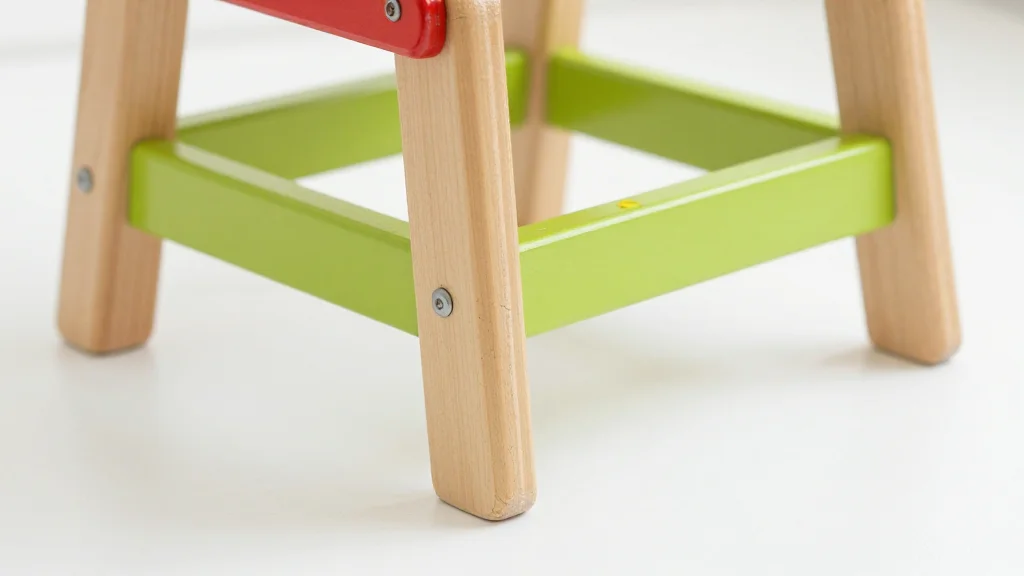
Cosyland Recalls 125,200 Children's Tower Stools From Amazon Over Safety Concerns

Companies Mentioned
Why It Matters
The Cosyland recall highlights the fragile balance between rapid product distribution on large marketplaces and the responsibility to ensure consumer safety. As Amazon continues to dominate online sales, the platform’s role in vetting third‑party products becomes a focal point for regulators and consumer advocates. A failure to detect safety flaws before mass distribution can erode consumer trust, prompting tighter oversight and potentially higher compliance costs for sellers. For the broader e‑commerce ecosystem, the incident may accelerate adoption of stricter safety verification tools, such as AI‑driven defect detection and blockchain‑based supply‑chain traceability. Brands that invest in these technologies could gain a competitive edge by demonstrating a commitment to safety, while marketplaces may adjust algorithms to reward verified compliance, reshaping the dynamics of product visibility and sales velocity.
Key Takeaways
- •Cosyland recalls 125,200 children's tower stools sold on Amazon due to safety defects.
- •Recall affects an estimated $3.75 million in gross sales based on a $30 average price.
- •Amazon removed the product listings and posted a recall banner on the former product page.
- •Potential CPSC investigation could lead to additional penalties and stricter reporting requirements.
- •The incident underscores liability risks for third‑party sellers and may drive tighter marketplace safety standards.
Pulse Analysis
The recall underscores a growing tension between the speed of e‑commerce distribution and the rigor of product safety oversight. Historically, large marketplaces have relied on manufacturers to self‑certify compliance, but high‑volume recalls like Cosyland’s expose the limits of that model. In the next 12‑18 months, we can expect Amazon to enhance its pre‑listing vetting processes, possibly integrating third‑party safety certifications directly into its algorithmic ranking system. Brands that fail to adapt may see reduced visibility or face higher fees for compliance checks.
From a market perspective, the incident could catalyze a shift toward more transparent supply‑chain data. Retailers are increasingly exploring blockchain solutions that provide immutable records of component sourcing and testing, allowing both platforms and regulators to verify safety claims in real time. Early adopters may leverage this data to differentiate themselves in a crowded marketplace, turning compliance into a marketing advantage.
Finally, consumer sentiment is likely to harden. Parents, who constitute a sizable segment of Amazon’s user base, are especially sensitive to safety recalls. Brands that respond quickly and transparently can mitigate reputational damage, but those that lag risk long‑term brand erosion. The Cosyland case serves as a reminder that in the e‑commerce era, product safety is not just a regulatory checkbox—it is a core pillar of brand trust and marketplace sustainability.
Cosyland Recalls 125,200 Children's Tower Stools from Amazon Over Safety Concerns
Comments
Want to join the conversation?
Loading comments...