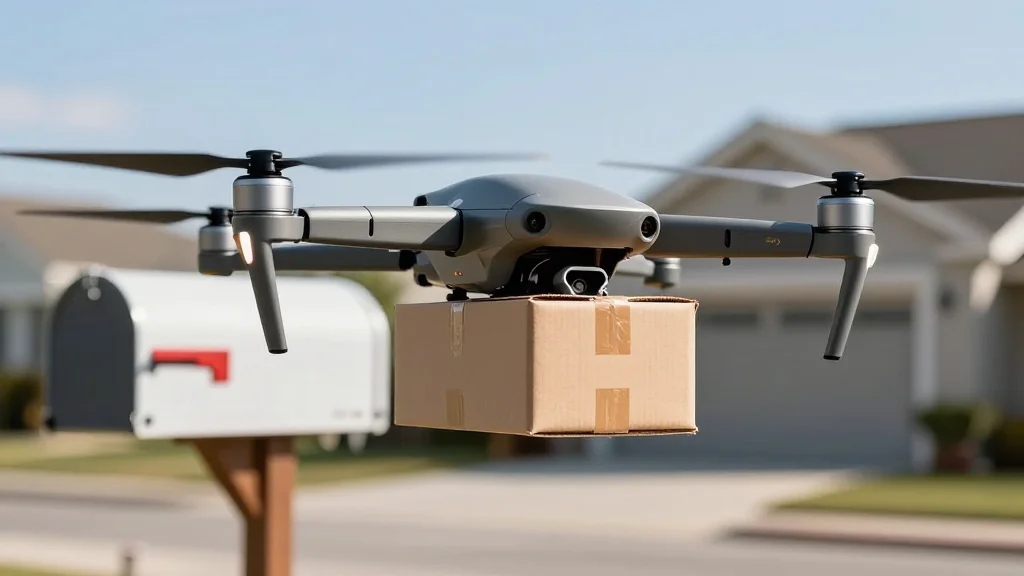
Drone Delivery Hits Mainstream as Costs Drop Below $5 per Order for DTC Brands

Companies Mentioned
Why It Matters
Drone delivery reaching cost parity with same‑day ground shipping removes a major barrier for DTC brands seeking ultra‑fast fulfillment. By lowering per‑order costs to under $5, merchants can offer two‑hour delivery without eroding margins, potentially boosting conversion and customer lifetime value. The technology also mitigates porch‑theft risk and reduces failed‑delivery expenses, reshaping the economics of last‑mile logistics. The broader logistics ecosystem will feel the ripple effect as 3PLs adapt their platforms, carriers renegotiate rate cards, and retailers re‑engineer fulfillment networks. Regulatory progress and software maturity could accelerate adoption beyond the current 14 metropolitan zones, making drone delivery a standard option for a growing segment of online shoppers.
Key Takeaways
- •Wing’s per‑delivery cost fell below $4.80 in high‑density zones, down from $11 two years ago
- •14 metropolitan service zones now operate across the U.S. and Australia for Wing
- •Drone delivery for sub‑5‑lb packages is now competitive with same‑day ground rates of $8‑$14
- •Amazon Prime Air and Zipline are expanding U.S. retail drone networks alongside Wing
- •3PLs are building API layers for real‑time geo‑fencing and drone‑eligible order routing
Pulse Analysis
The rapid cost decline in drone delivery reflects a convergence of regulatory liberalization, software sophistication and economies of scale. FAA Part 135 waivers, once a niche exemption, have become a catalyst for commercial density, allowing operators to aggregate enough volume to drive per‑order costs below $5. This mirrors the early trajectory of ground courier services, where network effects and route optimization eventually made same‑day delivery affordable for mid‑size merchants.
From a competitive standpoint, the emergence of three major players—Wing, Amazon Prime Air and Zipline—creates a duopolistic pressure on traditional carriers. UPS and FedEx, which have long dominated the last‑mile, now face a technology‑driven alternative that can undercut their same‑day pricing while offering a differentiated customer experience. Their response will likely involve accelerated investment in autonomous ground vehicles and tighter integration with e‑commerce platforms to preserve market share.
For DTC brands, the strategic calculus shifts from "if" to "how" to incorporate drones. The key variables—SKU weight, geographic eligibility and integration complexity—will dictate adoption speed. Brands that successfully embed drone eligibility checks into checkout flows can market ultra‑fast delivery as a premium service, driving higher average order values and repeat purchase rates. Conversely, those that ignore the trend risk falling behind in conversion metrics, especially in dense urban markets where consumer expectations for speed are already high. The next wave of growth will hinge on data‑driven fulfillment orchestration, where AI predicts optimal delivery mode per order, balancing cost, speed and risk.
Overall, the mainstreaming of drone delivery marks a pivotal inflection point for e‑commerce logistics. As the technology matures and regulatory frameworks expand, the aerial last‑mile could become a standard component of omnichannel fulfillment, reshaping cost structures, competitive dynamics and consumer expectations across the industry.
Drone Delivery Hits Mainstream as Costs Drop Below $5 per Order for DTC Brands
Comments
Want to join the conversation?
Loading comments...