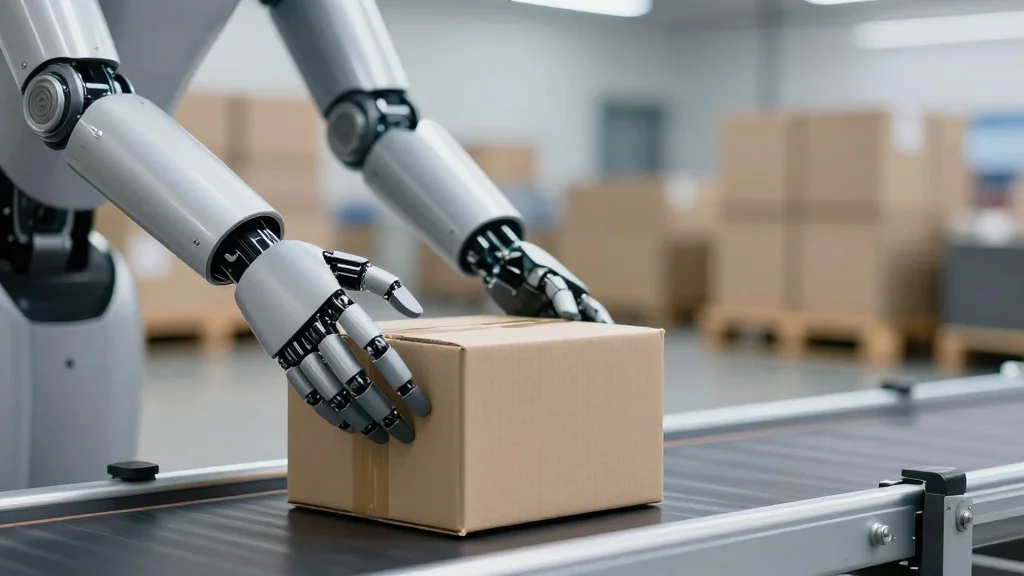
Figure AI Deploys Humanoid Robots at Catalyst Brands' Reno Distribution Center

Companies Mentioned


Why It Matters
The Figure AI‑Catalyst Brands partnership is the first instance of humanoid robots being used at scale in a retail logistics environment, moving the technology out of experimental labs and into profit‑center operations. Success could accelerate automation across the fragmented U.S. retail supply chain, driving efficiency gains but also intensifying labor displacement concerns. For workers, the rollout underscores the need for reskilling programs as routine warehouse tasks become increasingly mechanized. From an industry perspective, the deal illustrates how private‑equity investors like Brookfield are leveraging portfolio synergies to embed AI‑driven robotics into legacy retail assets. If the robots deliver measurable cost savings, they could become a new benchmark for warehouse modernization, prompting competitors to seek similar partnerships or develop in‑house solutions, thereby reshaping the competitive dynamics of retail fulfillment.
Key Takeaways
- •Figure AI begins deploying humanoid robots at Catalyst Brands' Reno, Nevada distribution center.
- •Robots will assist the Joey Pouch sorting system, handling repetitive sorting and packing tasks.
- •Catalyst Brands' Reno site received a $40 million infrastructure upgrade in 2024.
- •Brookfield is an investor in both Figure AI and Catalyst Brands, linking the partnership financially.
- •CEO Brett Adcock claims the robots will soon outperform humans in continuous package sorting.
Pulse Analysis
Figure AI's entry into retail logistics arrives at a crossroads where AI‑driven efficiency meets labor market volatility. Historically, warehouse automation has been dominated by fixed‑path robotic arms and conveyor systems; humanoid robots promise flexibility—being able to navigate aisles, lift varied package sizes, and adapt to layout changes. If Figure can demonstrate a clear productivity uplift—say, a 10‑15% increase in packages per hour—retailers will have a compelling business case to replace older, less adaptable automation.
However, the technology still faces hurdles. As Oliver Obst notes, reliability and safety remain critical barriers, especially in environments where humans and robots share space. Early deployments will likely adopt a "robots‑as‑service" model to mitigate capital risk, allowing retailers to test performance without large upfront expenditures. The partnership's opaque financial terms suggest both parties are cautious, preferring to let operational data drive future scaling decisions.
Strategically, the move could trigger a cascade effect. Competitors such as Walmart and Target have already invested heavily in autonomous mobile robots, but few have embraced full humanoid platforms. A successful Figure rollout could force these giants to reconsider their roadmaps, potentially spurring a wave of venture capital into humanoid startups. Conversely, labor unions and advocacy groups may push for stronger safeguards, demanding transparency on job impacts and retraining commitments. The next few months—particularly the upcoming performance review—will be a litmus test for whether humanoid robots become a mainstream retail tool or remain a niche experiment.
Figure AI Deploys Humanoid Robots at Catalyst Brands' Reno Distribution Center
Comments
Want to join the conversation?
Loading comments...