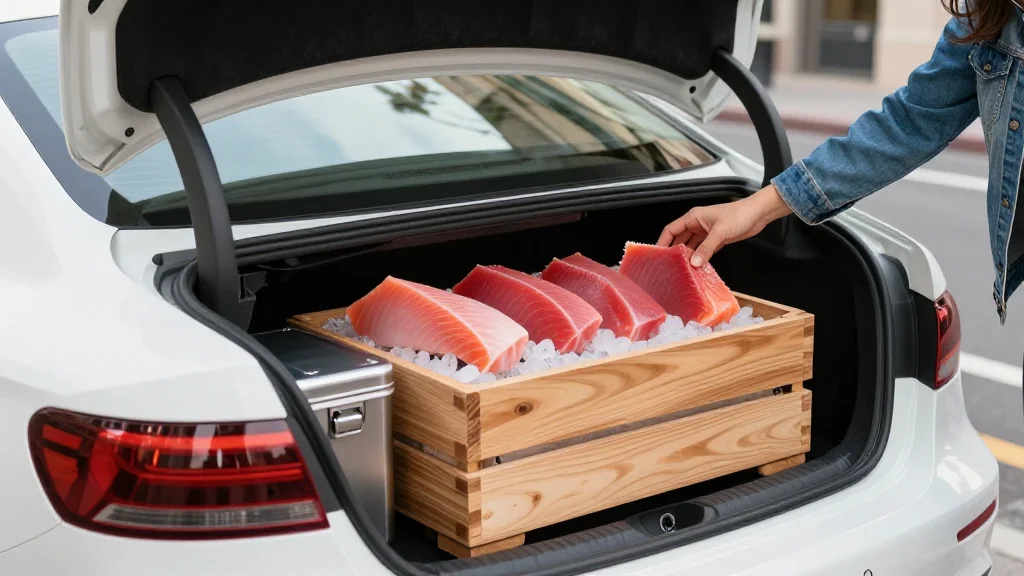
Find some of L.A.'s Best New Poke in a Koreatown Parking Lot
Companies Mentioned
Why It Matters
Dover Sole Market proves that high‑quality, direct‑to‑consumer seafood can thrive without a brick‑and‑mortar storefront, reshaping L.A.’s fast‑casual scene and encouraging sustainable, transparent sourcing. It signals a shift toward experiential, niche food offerings that attract both home cooks and professional chefs.
Key Takeaways
- •Dover Sole Market sells 70 lb of premium ahi poke per weekend
- •Poke is delivered from Hawaii via weekly airline shipments to LA
- •Prices range $35‑$40 per pound, emphasizing fish quality over sides
- •Lee offers curated seafood like uni and live scallops to restaurant clients
- •Instagram drops create buzz, driving word‑of‑mouth growth
Pulse Analysis
Los Angeles’ culinary landscape has long been dominated by brick‑and‑mortar restaurants, but the rise of ghost kitchens and pop‑up concepts is disrupting that model. Dover Sole Market exemplifies this trend by leveraging Instagram to announce limited‑time poke drops, turning a parking lot into a high‑visibility storefront. The low‑overhead approach allows Lee to focus on sourcing premium ahi and delivering a product that rivals traditional fish markets, while the social‑media‑first strategy creates a sense of scarcity and urgency that fuels repeat purchases.
The supply chain behind Lee’s operation is a study in modern, sustainable sourcing. Fresh big‑eye ahi is purchased directly from a Hawaiian fisherman, shipped weekly to L.A., and handled by Lee’s own team before being portioned in a North Hollywood ghost kitchen. By cutting out intermediaries, she maintains tight quality control and can offer premium items—uni, opah, live scallops—to restaurant clients at competitive rates. Lee also educates consumers through tutorials on fish preparation, fostering a deeper appreciation for whole‑fish cooking and encouraging responsible consumption.
For the broader foodservice industry, Dover Sole Market’s success highlights the viability of niche, high‑margin seafood offerings that cater to both home diners and professional kitchens. As consumers seek authentic, traceable ingredients, models that combine direct sourcing, transparent pricing, and experiential retail are likely to proliferate. Entrepreneurs can replicate this blueprint by pairing digital marketing with strategic logistics, while established chefs may look to such pop‑ups for specialty ingredients that elevate their menus without the overhead of traditional supply contracts.
Find some of L.A.'s best new poke in a Koreatown parking lot
Comments
Want to join the conversation?
Loading comments...