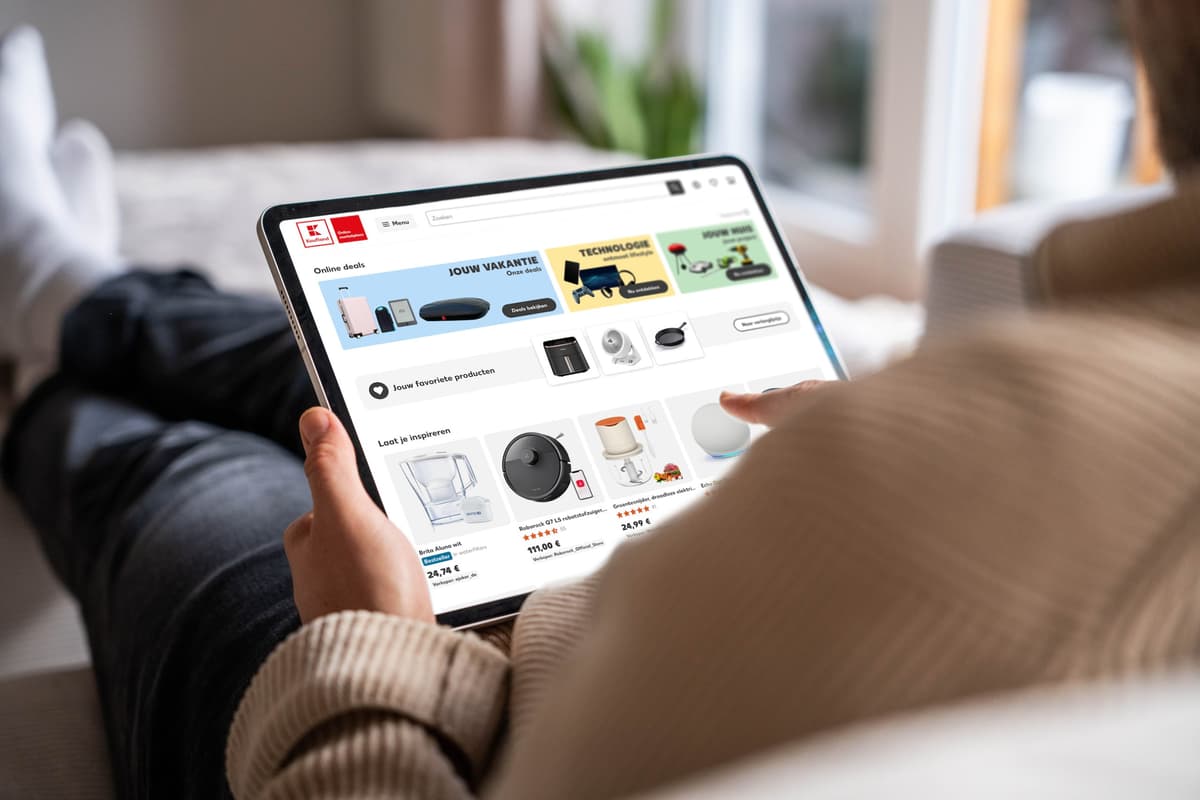
Kaufland Launches Online Marketplace in Spain and the Netherlands
Companies Mentioned
Why It Matters
Kaufland’s expansion challenges dominant global marketplaces by offering a Europe‑centric model that prioritizes data protection and local consumer rights, potentially reshaping online retail competition in the region.
Key Takeaways
- •Kaufland marketplace launches in Spain and Netherlands this summer
- •Platform will host millions of items across 6,400+ categories
- •Kaufland handles payments and service, sellers manage delivery
- •Targets European consumers seeking data‑privacy compliant marketplaces
Pulse Analysis
Europe’s e‑commerce landscape has long been dominated by a handful of global giants, most notably Amazon, which leverages massive logistics networks and deep data insights. Yet regulatory pressure and growing consumer awareness of data‑privacy have opened space for home‑grown platforms that can promise compliance with the EU’s stringent standards. Kaufland, a subsidiary of the Schwarz Group that also owns Lidl, is leveraging its extensive brick‑and‑mortar footprint—over 1,600 stores across eight countries—to launch a digital marketplace that blends online reach with offline credibility. By entering Spain and the Netherlands, the retailer taps into two of the continent’s most mature online shopping markets, where consumers are increasingly seeking alternatives that align with European values.
The new marketplace will showcase products in more than 6,400 categories, ranging from electronics and fashion to gardening tools and sports equipment. Unlike pure‑play platforms, Kaufland will act as the payment processor and primary customer‑service interface, while third‑party sellers retain responsibility for order fulfillment. This hybrid model allows the retailer to enforce consistent consumer‑rights protections, such as clear return policies and robust data handling, without bearing the full logistical burden of last‑mile delivery. Early indicators from Germany—32 million monthly visitors and a catalog of 45 million items—suggest the platform can scale quickly, especially as it leverages existing store networks for click‑and‑collect options.
Strategically, Kaufland’s push signals a broader shift toward regional marketplace ecosystems that can compete on price, selection, and trust. If the Spanish and Dutch rollouts achieve projected traffic, the company could pressure Amazon and emerging low‑cost players like Temu to adapt their European strategies, potentially leading to tighter data‑privacy enforcement and more favorable terms for local sellers. Moreover, the success of this initiative may accelerate Kaufland’s expansion into the remaining European markets, solidifying its claim as the largest marketplace network of European origin and reshaping the continent’s digital retail dynamics.
Kaufland launches online marketplace in Spain and the Netherlands
Comments
Want to join the conversation?
Loading comments...