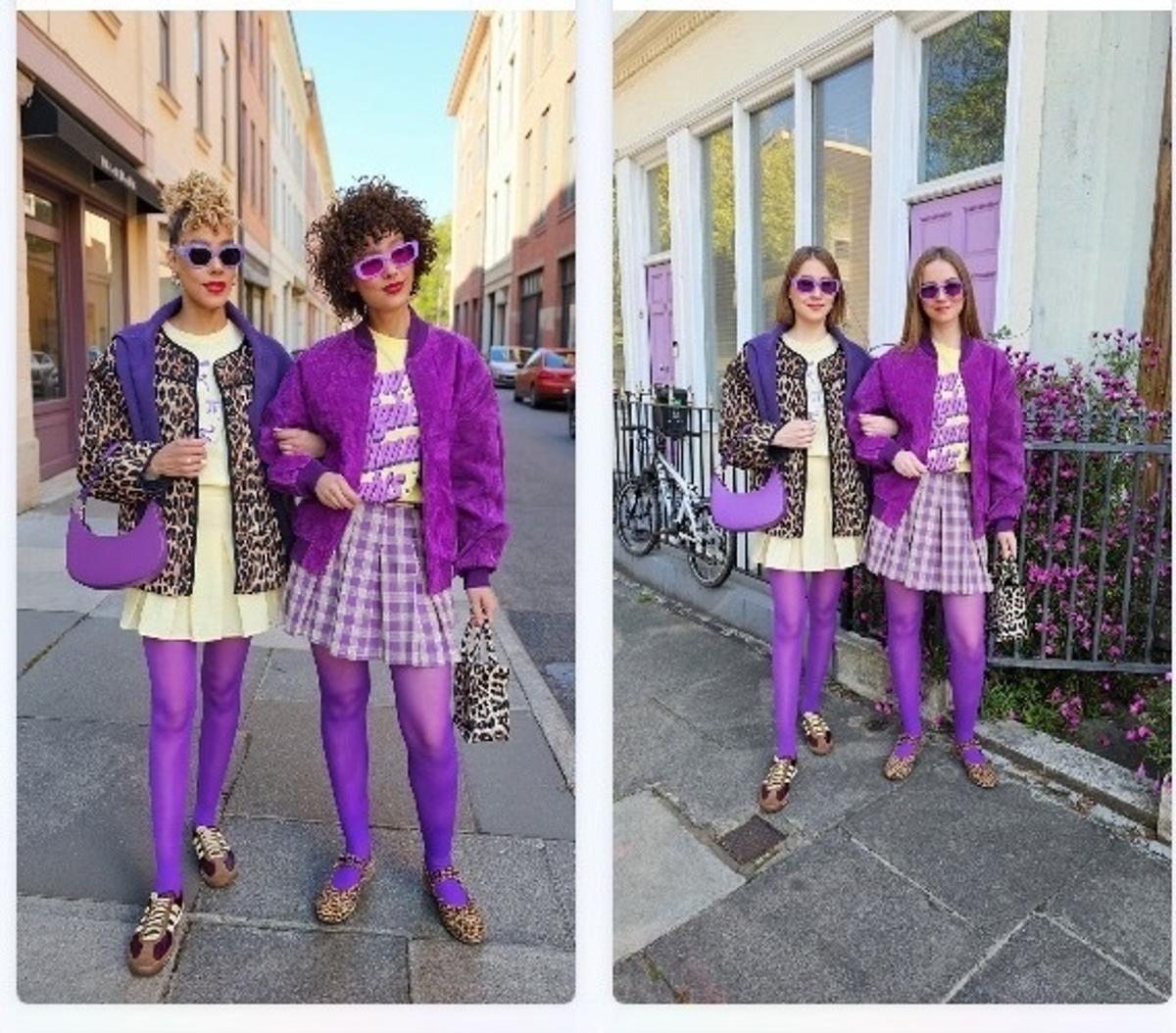
Meta Is Auto-Generating AI Ads for Its Advertisers, Causing Headaches for Image-Conscious Fashion Brands
•February 26, 2026
0
Why It Matters
Uncontrolled AI ads risk brand erosion and consumer mistrust, forcing marketers to renegotiate platform reliance. The issue signals broader industry challenges around AI governance and advertising accountability.
Key Takeaways
- •Meta auto‑creates ads from existing brand assets
- •Fashion brands report mismatched AI‑generated visuals
- •Advertisers lose direct control over ad messaging
- •Potential legal exposure from derivative content
- •Platform may need stricter brand‑safety controls
Pulse Analysis
Meta’s latest push leverages generative AI to transform a brand’s existing images and copy into a stream of automatically placed ads across its social properties. By mining creative libraries, the platform can spin up thousands of variations in minutes, promising advertisers faster turnaround and lower production spend. This capability aligns with Meta’s broader strategy to monetize its vast user data through AI‑driven ad solutions, positioning the company as a one‑stop shop for both content creation and distribution.
For image‑sensitive fashion houses, the technology introduces a new risk vector. Brands that meticulously curate aesthetics now face AI‑generated renditions that may distort fit, color fidelity, or brand tone, potentially alienating loyal customers. The lack of an opt‑out or granular approval workflow means marketers must monitor a flood of derivative ads, increasing operational overhead and exposing them to reputational damage or copyright disputes. Early reports, such as Snag’s experience, illustrate how automated placements can clash with a brand’s storytelling narrative.
The fallout underscores a looming need for tighter governance frameworks within ad platforms. Advertisers are likely to demand transparent controls, audit trails, and brand‑safety filters that prevent unwanted AI outputs. Regulators may also scrutinize the practice under emerging AI‑ethics guidelines, especially where consumer deception is possible. Marketers should proactively engage with Meta’s product teams, establish clear asset usage policies, and consider hybrid approaches that blend AI efficiency with human oversight to safeguard brand equity while still benefiting from automation.
Meta is auto-generating AI ads for its advertisers, causing headaches for image-conscious fashion brands
0
Comments
Want to join the conversation?
Loading comments...