Same‑Day Delivery Hits 73% U.S. Coverage, Pressuring DTC Brands to Match Amazon

Companies Mentioned
Why It Matters
The leap to 73% same‑day coverage signals that rapid fulfillment is no longer an Amazon‑only differentiator but a baseline expectation for U.S. shoppers. DTC brands that cannot match this speed risk higher cart abandonment and lower lifetime value, pressuring them to either partner with 3PLs or invest in their own micro‑fulfillment infrastructure. The shift also forces carriers to renegotiate rates and service levels, potentially reshaping the economics of last‑mile logistics across the ecommerce sector. For investors, the data highlights a growing market for logistics technology and shared‑hub services, as firms like LogiNext, Shipium, and ShipBob become critical enablers of the new speed standard. Companies that can scale micro‑fulfillment efficiently may capture a larger share of the $1 trillion U.S. ecommerce market, while those that lag could see declining relevance as consumer expectations continue to accelerate.
Key Takeaways
- •Same‑day delivery now covers 73% of the U.S. population, a 340% increase from 2023.
- •67% of Shipium’s mid‑market clients offer same‑day delivery, up from 12% in early 2024.
- •84% of shoppers expect same‑day delivery for orders placed before 2 PM, versus 43% in 2024.
- •Brands offering same‑day see 23% higher customer lifetime value and 31% lower cart abandonment.
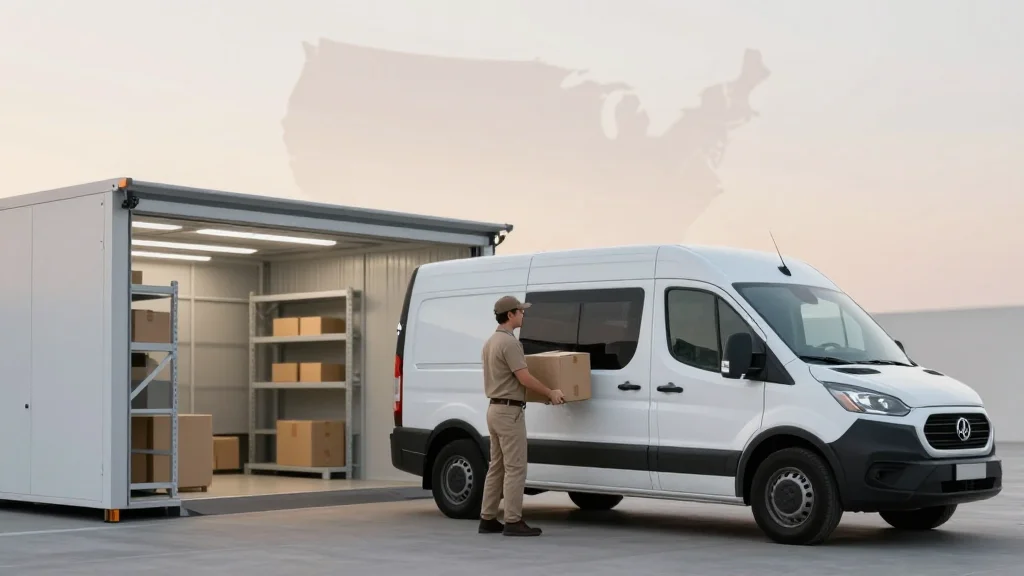
- •Micro‑fulfillment hubs as small as 5,000 sq ft enable brands with $5‑10 million revenue to compete on speed.
Pulse Analysis
The same‑day delivery surge reflects a broader logistics democratization, where technology and shared infrastructure lower the entry barrier for speed. Historically, only giants like Amazon could justify the capital outlay for dense, city‑center warehouses. Today, predictive analytics and modular micro‑hubs allow midsize DTC brands to punch above their weight, compressing the competitive gap. This mirrors the earlier shift in payment processing, where fintech platforms leveled the field for smaller merchants.
However, the sustainability of the model hinges on cost discipline. While micro‑fulfillment reduces distance‑related expenses, the fixed costs of real‑estate, technology stacks, and carrier contracts remain significant. Brands that can aggregate demand across multiple SKUs and share hub space will achieve the lowest unit costs, creating a natural consolidation pressure among 3PLs. Those that attempt to build proprietary networks may face higher burn rates, especially as carrier rate hikes persist.
Looking forward, the next inflection point will be the integration of autonomous delivery and AI‑driven inventory placement. If firms can automate the last mile and further refine demand forecasting, the economics of same‑day could shift from a premium service to a cost‑neutral baseline. For now, the 73% coverage figure is both a benchmark and a warning: speed is fast becoming the new price floor in U.S. ecommerce.
Same‑Day Delivery Hits 73% U.S. Coverage, Pressuring DTC Brands to Match Amazon
Comments
Want to join the conversation?
Loading comments...