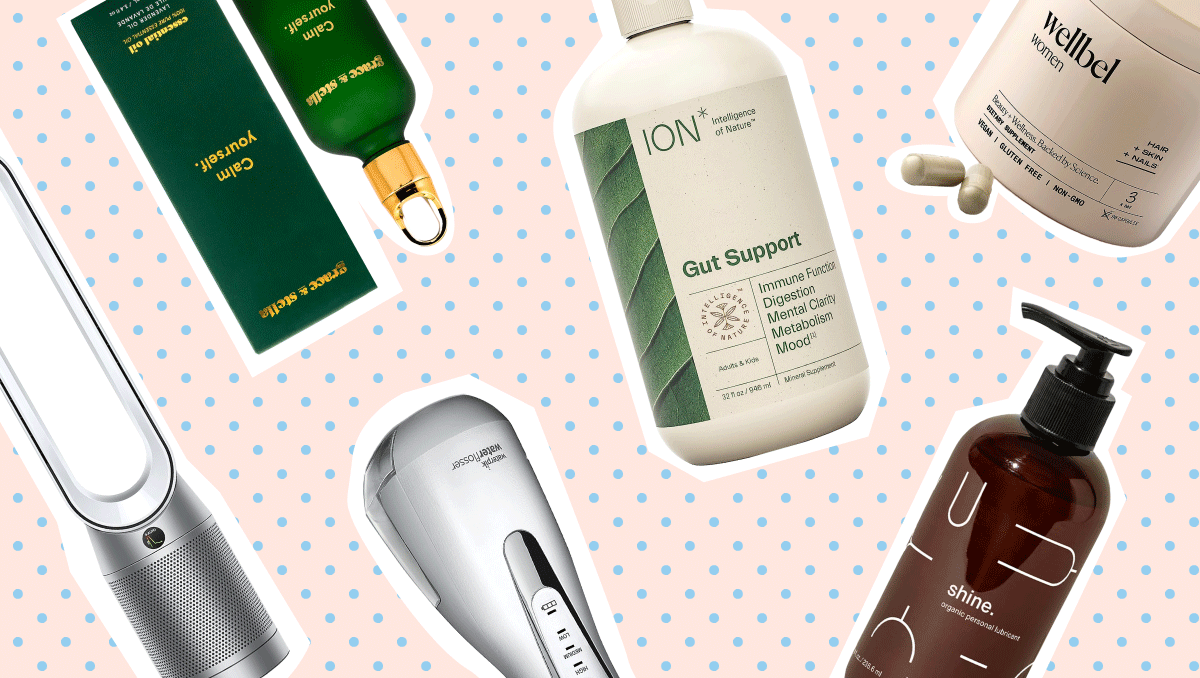
The Health and Wellness Trends Glossy and Modern Retail Staffers Are Watching in 2026
•February 5, 2026
0
Companies Mentioned


Why It Matters
The shift forces CPG and retail firms to redesign product pipelines and marketing tactics, creating new revenue streams for data‑centric wellness solutions. Companies that fail to provide verifiable benefits risk losing consumer trust in a rapidly maturing market.
Key Takeaways
- •Wearable tech adoption accelerating, Oura ring leading
- •Biohacking drives demand for data-driven health solutions
- •Consumers scrutinize product efficacy and health claims
- •Brands pivot to transparent ingredient sourcing and validation
- •Subscription models rise for personalized wellness tracking
Pulse Analysis
The wellness sector is entering a data‑first era, with wearable technology moving beyond fitness tracking to become a health‑monitoring platform. Devices like the Oura ring collect sleep, temperature, and activity metrics, feeding algorithms that deliver actionable insights. This influx of real‑time health data is attracting investors and prompting retailers to integrate tech‑enabled services into their product assortments, blurring the line between traditional retail and digital health ecosystems.
At the consumer level, the appetite for biohacking and self‑optimization is prompting a more skeptical approach to product claims. Shoppers now expect third‑party validation, clinical studies, and transparent ingredient disclosures before committing to new supplements or skincare lines. This heightened scrutiny is reshaping purchasing pathways, with digital reviews, influencer credibility, and scientific endorsements becoming decisive factors in conversion. Brands that cannot substantiate efficacy risk being sidelined in an environment where data drives trust.
In response, companies are reconfiguring their go‑to‑market strategies to prioritize transparency and personalization. Ingredient sourcing narratives are being woven into brand stories, while subscription models deliver tailored regimens based on individual biometric data. Retailers are also experimenting with in‑store diagnostics and virtual health consultations to capture the growing demand for customized wellness experiences. Those that successfully blend credible science with seamless digital experiences are poised to capture a larger share of the projected multi‑billion‑dollar wellness market in 2026.
The health and wellness trends Glossy and Modern Retail staffers are watching in 2026
0
Comments
Want to join the conversation?
Loading comments...