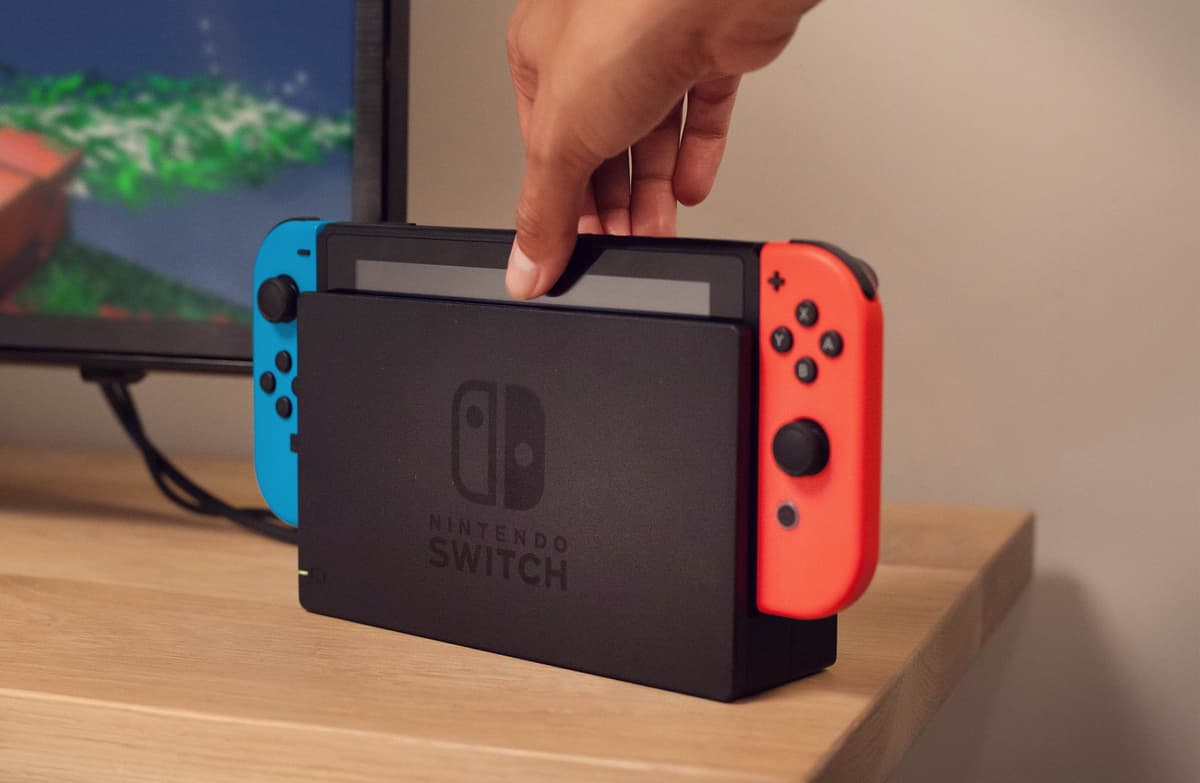
The Original Switch eShop Has Been Drastically Improved in a New System Update
Companies Mentioned
Why It Matters
A native eShop speeds up discovery and checkout, likely boosting user spend and reinforcing parental controls, while dark mode aligns the store with modern UI expectations.
Key Takeaways
- •Switch eShop now runs as native app, not web browser
- •Firmware 22.5.0 adds dark mode support and faster navigation
- •New PIN protection secures purchases, especially for child accounts
- •Switch 2 receives same firmware, but only adds language accessibility
- •Faster eShop improves user experience amid growing game catalog
Pulse Analysis
The Nintendo Switch’s eShop has long been a pain point for gamers, relying on a lightweight web browser that struggled to keep pace with an ever‑growing library of titles. Firmware version 22.5.0 marks a decisive shift: by bundling the storefront into a native application, Nintendo eliminates the latency inherent in remote page rendering. This architectural change not only accelerates page loads but also enables deeper integration with the console’s operating system, such as respecting the Basic Dark theme and supporting on‑device UI elements.
Beyond speed, the update introduces a PIN lock for eShop access and payment methods, a feature aimed squarely at parents concerned about unauthorized purchases. By requiring a four‑digit code before completing a transaction, Nintendo adds a layer of friction that can curb accidental or impulsive spending, especially among younger users. The dark mode option, meanwhile, reduces eye strain and aligns the storefront with contemporary design trends, potentially increasing session length and encouraging more exploratory browsing.
From a market perspective, the move signals Nintendo’s intent to keep its digital distribution channel competitive against rivals like Sony’s PlayStation Store and Microsoft’s Xbox Marketplace, both of which already operate as native apps with robust security features. Faster, more secure access could translate into higher conversion rates as users find it easier to locate and purchase games. As the Switch ecosystem continues to mature, further refinements—such as personalized recommendations or integrated subscription services—may follow, cementing the eShop’s role as a central revenue driver for Nintendo’s handheld platform.
The original Switch eShop has been drastically improved in a new system update
Comments
Want to join the conversation?
Loading comments...