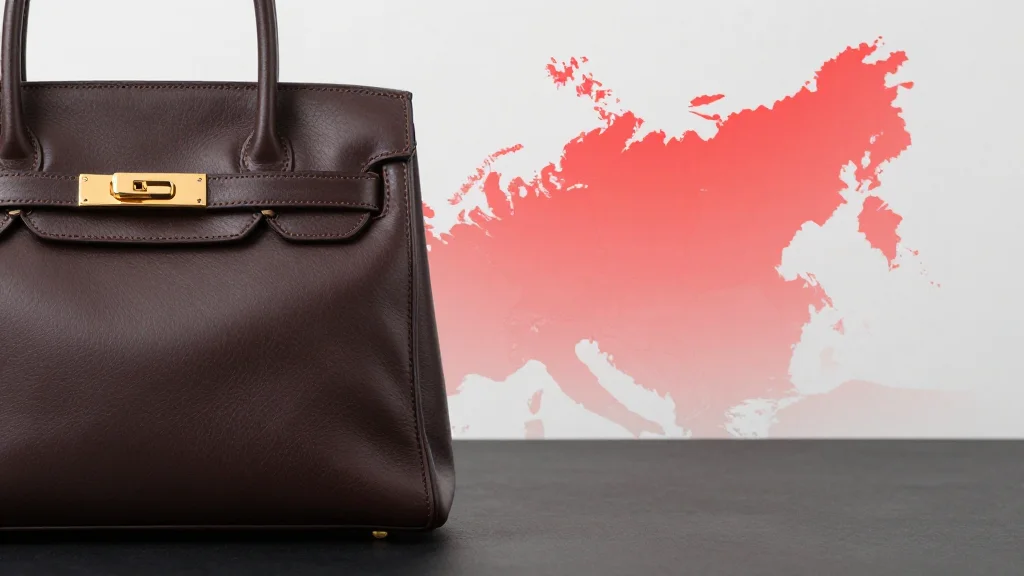
Trussardi Completes Full Exit From Russia, Shutting All Stores and Online Operations

Companies Mentioned
Why It Matters
Trussardi’s full withdrawal illustrates how geopolitical risk is reshaping the global e‑commerce landscape, especially for luxury brands that rely on cross‑border digital sales. The exit not only eliminates a direct‑to‑consumer channel for Russian shoppers but also signals to other Western retailers that operating in sanctioned markets may no longer be viable, accelerating consolidation among the remaining players. The broader trend of Western firms exiting Russia reduces foreign competition, potentially allowing domestic platforms to capture a larger share of online luxury spend. At the same time, the difficulty of selling assets in the Russian market may lead companies to write off investments, affecting balance sheets and influencing future strategic decisions about market entry and risk management.
Key Takeaways
- •Trussardi closed its last ten Russian stores and dissolved its e‑commerce entity in April 2026.
- •The brand’s Russian presence began in 2016; all physical locations were shuttered by Q3 2025.
- •Acquired by Miroglio in March 2024; Trussardi’s revenue was €80 million (≈ $87 million) with €50 million debt (≈ $55 million).
- •Exit follows a wave of Western retailers leaving Russia; only 23 exit‑related M&A deals were recorded in 2025.
- •The shutdown removes a niche luxury online channel, tightening competition among remaining e‑commerce players in Russia.
Pulse Analysis
Trussardi’s exit is a textbook case of how macro‑economic pressure and geopolitical risk converge to force strategic pivots in the e‑commerce sector. The brand’s attempt to maintain a digital foothold in Russia proved unsustainable once sanctions limited payment processing, logistics, and the ability to repatriate profits. For luxury retailers, the cost of compliance and the reputational risk of operating in a contested market now outweigh the modest revenue upside, especially when core markets in Europe and North America offer higher margins.
Historically, Western luxury houses have used e‑commerce to bypass traditional wholesale channels and capture higher margins. In Russia, however, the digital ecosystem is fragmented, with local payment gateways subject to state control and foreign currency restrictions. Trussardi’s decision to abandon both brick‑and‑mortar and online operations reflects a broader recalibration: firms are consolidating resources around markets where they can leverage integrated omnichannel strategies without regulatory friction.
Looking forward, the vacuum left by Trussardi and similar exits could spur domestic Russian platforms to upscale their offerings, potentially partnering with local designers to fill the luxury gap. Meanwhile, Western brands may adopt a more cautious approach, favoring licensing or joint‑venture models that limit direct exposure. The lesson for investors is clear: geopolitical risk assessments must now be a core component of e‑commerce valuation models, especially for companies eyeing emerging markets with volatile regulatory environments.
Trussardi Completes Full Exit from Russia, Shutting All Stores and Online Operations
Comments
Want to join the conversation?
Loading comments...