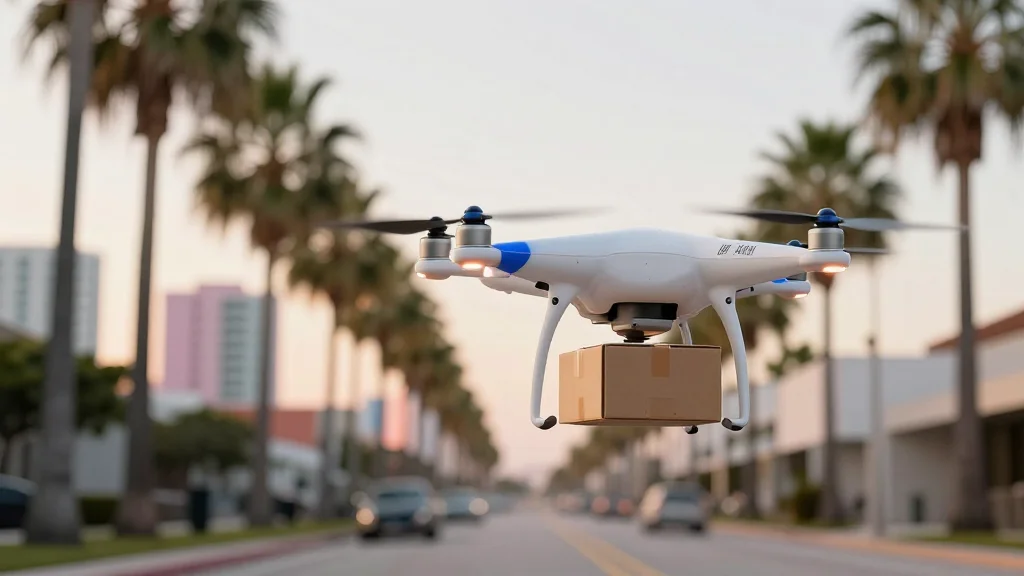
Walmart Teams with Wing to Roll Out Drone Deliveries in Miami and Other U.S. Cities

Companies Mentioned
Why It Matters
The Walmart‑Wing initiative marks the first large‑scale drone delivery effort by a traditional retailer, testing whether aerial logistics can be mainstreamed for everyday consumer goods. By targeting sub‑hour fulfillment for lightweight items, Walmart aims to close the speed gap with premium services offered by Amazon and specialty couriers, potentially reshaping customer expectations for e‑commerce delivery. Successful deployment could also lower operational costs for Walmart’s extensive network, reducing the mileage of delivery trucks and easing congestion in urban centers. Conversely, any setbacks—whether regulatory, technical, or public‑acceptance related—could slow industry‑wide adoption and reinforce the dominance of ground‑based logistics.
Key Takeaways
- •Walmart partners with Alphabet’s Wing to launch consumer drone deliveries in Miami, Atlanta, Dallas‑Fort Worth and more.
- •Service targets 2027 rollout in Miami, with drones carrying up to 2.5 pounds and cruising at 60 mph.
- •Nick Berkeley (Walmart) and Jessie Poole‑Strang (Wing) highlighted speed and convenience as core benefits.
- •Drone deliveries complement Walmart’s $58 store remodel plan in Florida and expanded online pickup zones.
- •Regulatory approval and community acceptance remain key hurdles for broader expansion.
Pulse Analysis
Walmart’s entry into drone logistics is a calculated gamble that leverages its massive retail footprint to test a new fulfillment layer. Historically, the retailer has relied on a dense network of stores and distribution centers to undercut competitors on price and availability. By adding an aerial component, Walmart seeks to capture the premium segment of customers willing to pay for speed without sacrificing its low‑cost advantage.
The partnership also reflects a broader industry trend where legacy retailers are adopting startup‑style innovations to stay relevant. Wing’s technology, already proven in a handful of markets, offers a modular solution that can be layered onto existing e‑commerce platforms. However, the 2.5‑pound payload ceiling limits the service to niche use cases—essentially a rapid‑response courier for small items. To achieve scale, Walmart will need to either increase payload capacity or integrate drones with ground fleets for larger orders, a hybrid model that could become the next frontier in last‑mile delivery.
Regulatory dynamics will likely dictate the pace of adoption. The FAA’s evolving unmanned aircraft system (UAS) framework is still grappling with safety, privacy, and noise concerns. Walmart’s ability to navigate these constraints while delivering a seamless customer experience will be a bellwether for other retailers considering similar ventures. If the Miami pilot demonstrates reliable performance and positive consumer sentiment, it could accelerate a shift toward multi‑modal fulfillment strategies across the e‑commerce sector.
Walmart teams with Wing to roll out drone deliveries in Miami and other U.S. cities
Comments
Want to join the conversation?
Loading comments...