You’ve Been Trying to Get Around Amazon – but It’s Not that Easy
Companies Mentioned
Amazon
AMZN

Procter & Gamble
Shopify
SHOP
Etsy
ETSY
American Eagle
AEO
poppi
eBay
3M
MMM
UPS
UPS
Pepsi
FedEx

Lands’ End
Why It Matters
Amazon’s logistics arm now powers the majority of online fulfillment, giving the company deeper market data and fee leverage while eroding the perceived independence of small‑business purchases.
Key Takeaways
- •Amazon Supply Chain Services now serves all businesses, not just large firms
- •Over 200,000 U.S. merchants use Amazon Multi‑Channel Fulfillment, up 70% in 2024
- •Small brands rely on Amazon two‑day delivery, boosting sales but raising fees
- •Consumers may think they support independents, yet Amazon handles the logistics
- •Amazon charges about $15 per three‑pound package plus storage, gaining market data
Pulse Analysis
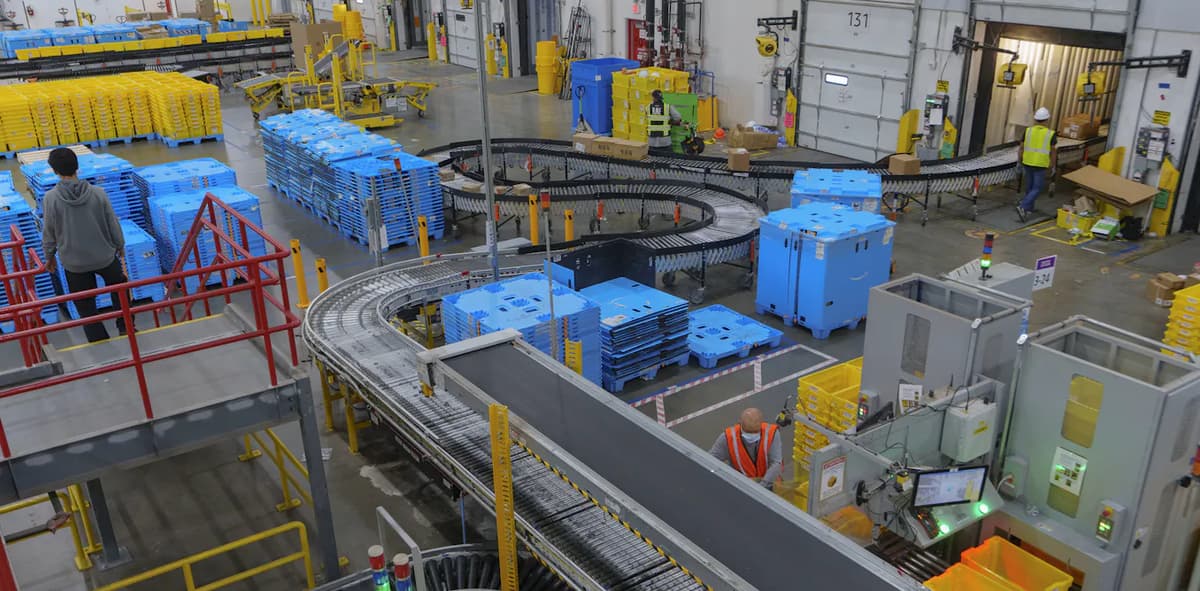
Amazon’s entry into open‑access logistics mirrors the disruptive launch of AWS, but this time the invisible infrastructure moves physical goods rather than cloud code. By packaging its fulfillment network as a service, Amazon transforms decades of Prime‑driven speed into a wholesale capability for anyone from Procter & Gamble to a garage‑based kitchenware startup. The strategic shift not only expands Amazon’s revenue streams beyond retail but also grants the company unprecedented visibility into competitors’ sales patterns, inventory levels, and seasonal demand spikes.
For small merchants, the calculus is stark: Amazon’s two‑day delivery has become a baseline expectation, and its integrated APIs plug directly into platforms like Shopify and Etsy. The $15 fee for a three‑pound package—plus monthly storage costs—often undercuts the price and speed of independent fulfillment providers, making Amazon the most viable path to retain customers. Yet those fees, which have risen for three consecutive years, compress margins and increase dependence on a single logistics provider, limiting bargaining power for fledgling brands.
From a consumer standpoint, the allure of “buying small” is increasingly symbolic. While shoppers may select a handcrafted mug on an indie site, the parcel’s journey is routed through Amazon’s unbranded trucks and brown boxes, effectively channeling a portion of the spend back to the tech giant. This hidden layer reshapes the narrative of ethical consumption, prompting calls for greater transparency and potential regulatory scrutiny of dominant logistics platforms that now sit at the heart of e‑commerce fulfillment.
You’ve been trying to get around Amazon – but it’s not that easy
Comments
Want to join the conversation?
Loading comments...