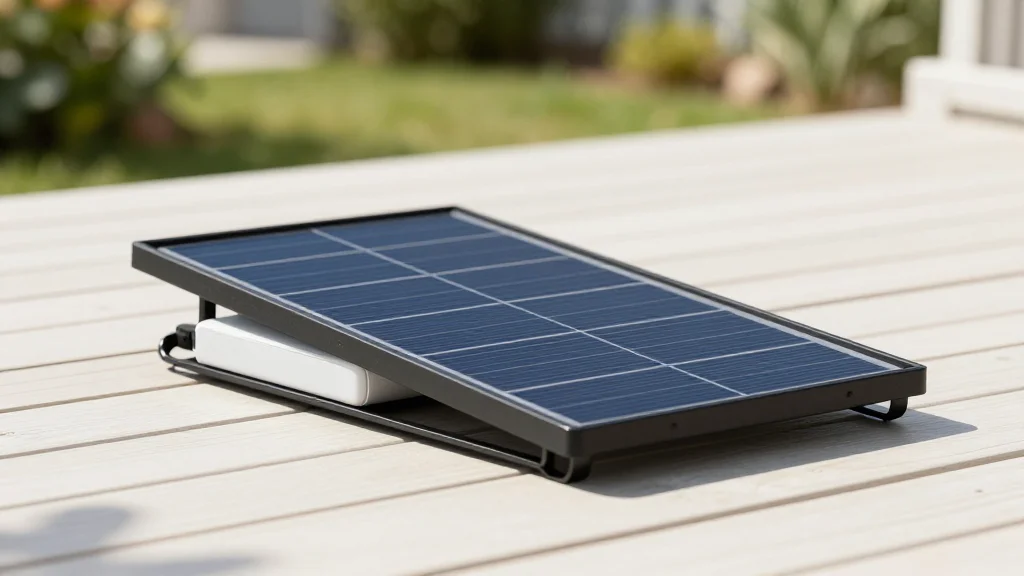
Bills Containing Plug-In Solar Provisions Pass in Maryland and Colorado
Why It Matters
The legislation removes utility barriers and expands consumer access to portable solar, accelerating residential clean‑energy adoption and reshaping utility revenue models across the United States.
Key Takeaways
- •Maryland allows up to 1,200‑watt portable solar, exempt from utility fees.
- •Colorado sets 1,920‑watt limit, highest in U.S. plug‑in solar laws.
- •Both bills require UL certification for devices over 391 watts.
- •Tenants and HOA can install devices; landlords may set safety rules.
- •Expected governor signatures push national portable solar momentum forward.
Pulse Analysis
The United States is witnessing a coordinated push to legalize portable, plug‑in solar systems, a trend that gained steam in early 2026 with Utah, Maine and Virginia adopting similar frameworks. Lawmakers view these measures as a low‑cost pathway to broaden renewable energy access, especially for renters and multi‑unit dwellers who traditionally face interconnection hurdles. By codifying standards for wattage limits and certification, states aim to protect grid reliability while encouraging market entry for compact solar products.
Maryland’s Utility RELIEF Act and Colorado’s HB 26‑1007 illustrate divergent yet complementary approaches. Maryland caps portable generators at 1,200 watts and waives utility fees, provided owners notify utilities and, if required, install a locking disconnect. Colorado pushes the envelope with a 1,920‑watt ceiling—the most generous in the nation—while also safeguarding landlords and homeowners associations with clear installation rights and safety provisions. Both statutes hinge on UL or equivalent testing for devices above 391 watts, ensuring product safety without stifling innovation.
Industry analysts anticipate that these policies will spur a surge in portable solar sales, driving down costs through economies of scale and fostering new business models such as subscription‑based solar kits. Utilities, meanwhile, must adapt to reduced net‑metering revenues and explore alternative rate structures. As more states move from proposal to enactment, the portable solar market could become a pivotal component of the broader clean‑energy transition, offering a scalable solution for the nation’s millions of renters and apartment dwellers.
Bills containing plug-in solar provisions pass in Maryland and Colorado
Comments
Want to join the conversation?
Loading comments...