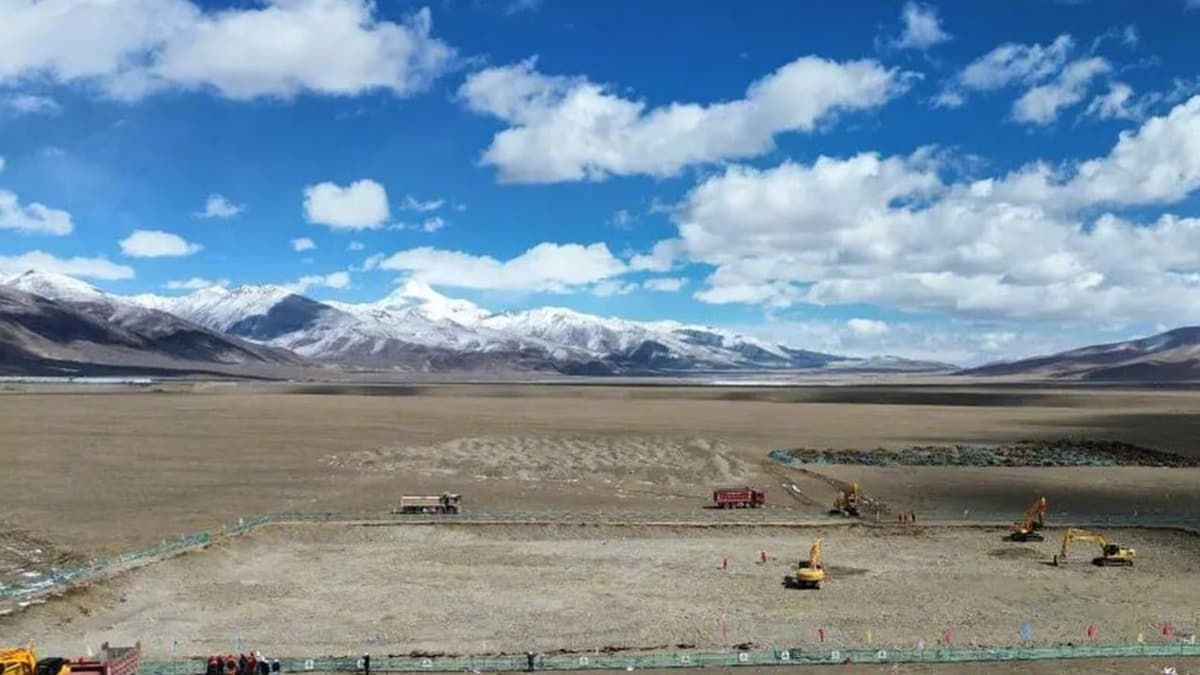
China Starts Work on Solar Plant Built Under Extreme Conditions, Amid Global Energy Crisis
Why It Matters
The plant expands clean‑energy capacity in a geopolitically sensitive region, reducing reliance on coal and enhancing grid resilience during worldwide energy shortages.
Key Takeaways
- •50 MW CSP plant breaks ground on Tibet plateau.
- •Facility operates at 4,550 m, world’s highest altitude.
- •Parabolic trough design suits high solar irradiance, low temperature.
- •Project supports China’s renewable diversification amid energy crisis.
- •Expected to cut regional coal use, boost grid stability.
Pulse Analysis
China’s new 50‑megawatt concentrated solar power (CSP) installation on the Tibetan Plateau illustrates how altitude can be turned into an advantage for renewable generation. At 4,550 metres, the thin air reduces convective heat loss, while the region’s clear skies deliver high direct normal irradiance, making parabolic‑trough technology especially efficient. Unlike photovoltaic panels, CSP stores heat in molten salts, enabling power output after sunset and smoothing daily fluctuations—critical for remote, off‑grid communities that have historically depended on diesel or coal.
The timing of the project aligns with mounting pressure on global energy supplies following geopolitical shocks and supply‑chain disruptions. By adding a dispatchable renewable source, China not only diversifies its own generation portfolio but also signals a strategic shift toward low‑carbon baseload power. The plant’s location in Tibet also supports regional development goals, providing electricity to sparsely populated areas while reducing the need for long‑distance transmission of fossil fuels. This move dovetails with Beijing’s broader carbon‑neutrality targets and its ambition to showcase advanced clean‑energy technologies on the world stage.
From a market perspective, the high‑altitude CSP model could become a template for other mountainous regions seeking to harness solar thermal energy where photovoltaic installations face efficiency penalties. Successful operation may spur export of Chinese engineering expertise, equipment, and financing packages, potentially opening new revenue streams for domestic manufacturers. However, challenges remain, including harsh weather, logistics of transporting heavy components, and maintaining system performance at extreme temperatures. Overcoming these hurdles will be essential for scaling similar projects globally and cementing CSP’s role in the future energy mix.
China starts work on solar plant built under extreme conditions, amid global energy crisis
Comments
Want to join the conversation?
Loading comments...