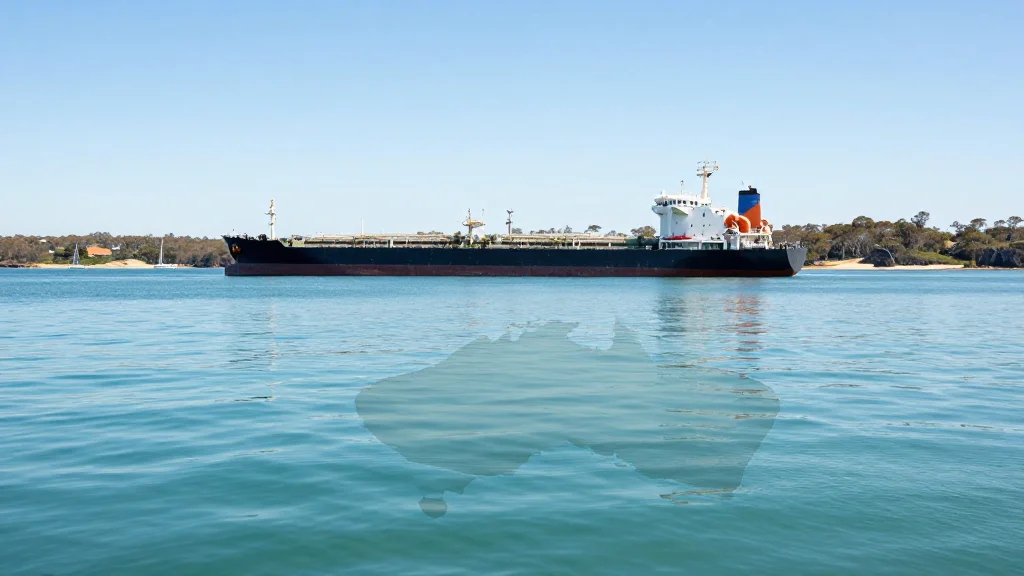
Fuel Crunch: Does Australia Have Enough Cards to Keep up Supply?
Why It Matters
The supply squeeze threatens Australian energy security and could force consumption cuts, while highlighting the strategic value of diversified fuel agreements in a volatile global market.
Key Takeaways
- •20% global oil supply cut after Strait of Hormuz closure
- •Australia secured fuel deliveries only through May, no large stockpiles
- •Govt trades LNG and coal for refined fuel from Asian partners
- •Asian refineries operating at ~60% capacity, risk of shutdowns
Pulse Analysis
The closure of the Strait of Hormuz in early March sent shockwaves through the global energy market, slashing oil flows by an estimated 20 percent. Australia, heavily dependent on Middle Eastern crude that passes through the chokepoint, now faces a six‑week lag before any alternative shipments can arrive. This disruption has exposed the nation’s limited strategic petroleum reserves, forcing policymakers to scramble for stop‑gap solutions while monitoring the broader impact on downstream markets.
In response, the Australian government has negotiated interim supply contracts that will carry the country through May, leveraging its financial clout and existing long‑term agreements with Asian refiners. A key element of the strategy involves offering abundant liquefied natural gas and coal in exchange for refined fuels, a trade that underscores Australia’s unique position as a net exporter of primary energy commodities but a net importer of refined products. Despite these arrangements, the lack of sizable domestic stockpiles remains a vulnerability, prompting discussions about expanding strategic reserves to buffer future geopolitical shocks.
The ripple effects extend beyond Australia’s borders. Asian refineries, already constrained by reduced crude deliveries, are operating at roughly 60 percent capacity and risk full shutdowns if the supply pinch deepens. Such constraints could further tighten global fuel markets, driving up prices and prompting demand‑side curtailments worldwide. The situation reinforces the strategic importance of reopening the Strait of Hormuz and diversifying supply chains, as prolonged closures would exacerbate the strain on both producers and consumers across the energy value chain.
Fuel crunch: Does Australia have enough cards to keep up supply?
Comments
Want to join the conversation?
Loading comments...