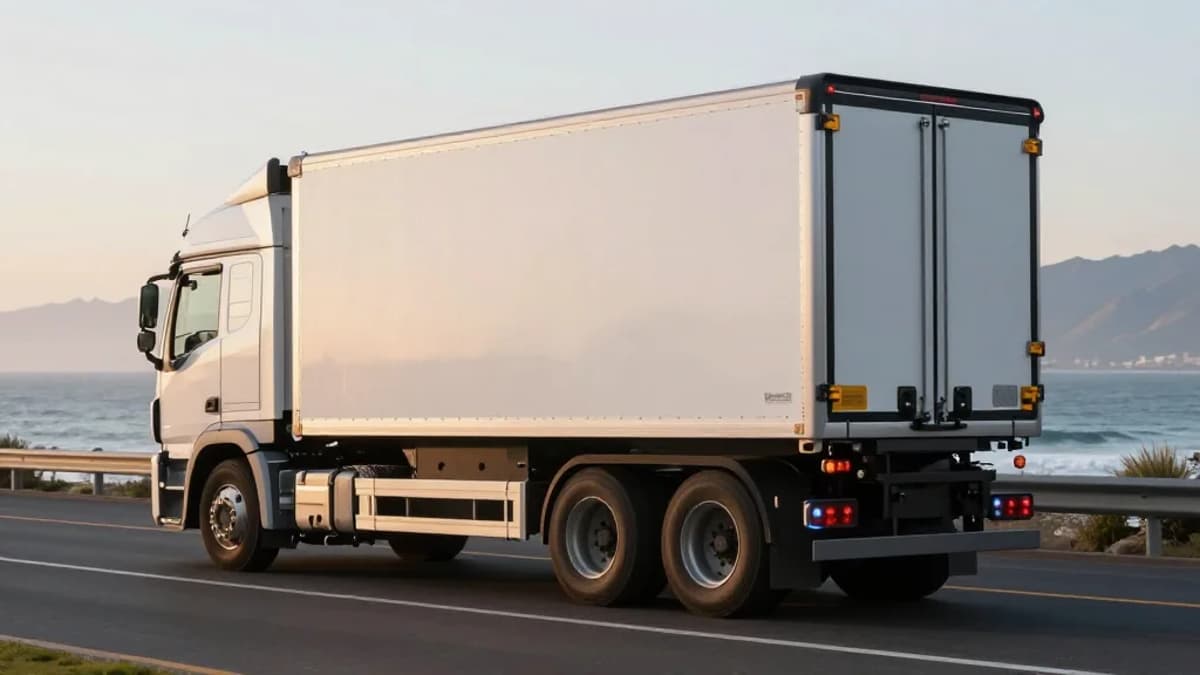
German E-Mobility on the Rise: Mercedes-Benz Trucks Expands with eActros to South America
Why It Matters
The launch accelerates electric heavy‑duty adoption in Latin America, helping Chile meet its 2050 carbon‑neutral goal and signalling market potential for other regional players.
Key Takeaways
- •First eActros 600 series production delivered outside Europe
- •Chilean route offers 500 km range per charge
- •Six additional units slated for delivery soon
- •Mercedes provides full electromobility support ecosystem
- •Aligns with Chile’s 2050 carbon‑neutral target
Pulse Analysis
Mercedes‑Benz Trucks’ entry into Chile represents a pivotal step in the global shift toward zero‑emission freight. While the eActros 600 has already become a staple across more than fifteen European nations, its South American debut demonstrates the manufacturer’s confidence in the continent’s readiness for high‑capacity electric vehicles. The move dovetails with a broader industry trend where OEMs are seeking growth beyond traditional markets, leveraging Chile’s progressive regulatory environment and its reputation as a renewable‑energy pioneer to showcase the viability of long‑haul electrification.
The eActros 600 combines a 621 kWh lithium‑iron‑phosphate battery pack with an electric drive axle, delivering roughly 500 km of range at a gross combination weight of 40 tons. For logistics operators like CCU, this translates into predictable, depot‑centric charging cycles and reduced fuel expenditures, while maintaining payload efficiency. The vehicle’s LFP chemistry offers over 95% usable capacity and a long service life, mitigating concerns about battery degradation on demanding routes. Moreover, Mercedes‑Benz’s partnership with Kaufmann S.A. ensures customers receive end‑to‑end support—from charging infrastructure design to driver training—streamlining the transition to electric fleets.
Chile’s electricity mix, dominated by wind and solar, provides an ideal backdrop for electrified transport, reinforcing the country’s ambition to achieve carbon neutrality by 2050. The successful deployment of the eActros 600 could catalyse similar projects across neighboring markets such as Peru, Argentina, and Brazil, where long‑distance haulage is a logistical cornerstone. As regional policymakers tighten emissions standards, early adopters stand to gain competitive advantages, while the broader supply chain benefits from lower operating costs and improved sustainability credentials. Mercedes‑Benz’s strategic rollout thus not only advances its own portfolio but also accelerates the continent’s journey toward a cleaner, more efficient freight ecosystem.
German E-Mobility on the Rise: Mercedes-Benz Trucks Expands with eActros to South America


Comments
Want to join the conversation?
Loading comments...