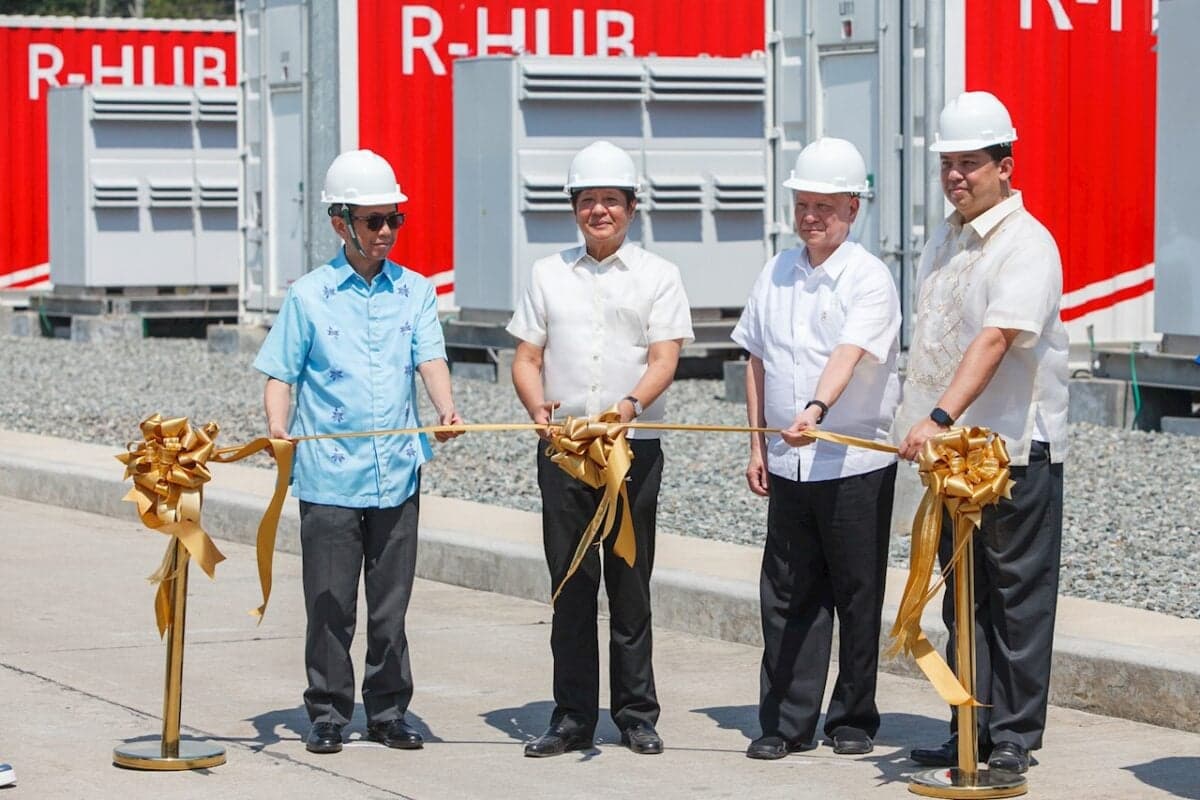
Philippines House of Representatives Passes National Energy Storage Framework Legislation
Companies Mentioned
Why It Matters
The act creates a clear regulatory pathway for large‑scale storage, essential for scaling renewables and ensuring affordable, reliable power across the Philippines’ dispersed islands.
Key Takeaways
- •House Bill 6676 passed 192-3 vote.
- •Framework targets 50% renewables by 2040.
- •DOE to lead; ERC to set market rules.
- •Incentives for integrated renewable‑storage projects.
- •Senate approval needed before law.
Pulse Analysis
The Philippines’ move to codify energy‑storage policy reflects a broader shift in Southeast Asia toward decarbonisation. By formalising incentives and licensing procedures, the Energy Storage Systems Act addresses long‑standing barriers that have limited investor confidence, such as unclear ownership models and grid‑connection standards. This legislative clarity aligns with the Department of Energy’s recent Green Energy Auction, which for the first time included Integrated Renewable Energy and Storage Systems, awarding over a gigawatt of projects. The synergy between the bill and auction signals a coordinated strategy to accelerate storage deployment and lock in renewable capacity.
Beyond domestic benefits, the act positions the Philippines as a regional testbed for large‑scale battery integration. The country already hosts landmark projects like the 3.5 GWp Meralco Terra Solar‑plus‑storage plant and the upcoming LFP gigafactory in Clark. With the Energy Regulatory Commission set to define safety, cybersecurity and market‑participation rules, local developers and multinational players can scale solutions more predictably. This regulatory certainty is likely to attract foreign direct investment, diversify the supply chain away from sole reliance on China, and foster homegrown manufacturing capabilities.
However, the legislation’s impact hinges on Senate endorsement and effective implementation. If passed, the framework could unlock financing for off‑grid storage in remote islands, improve grid stability during peak demand, and enable revenue‑stacking models that enhance project economics. For consumers, the expected outcome is lower electricity costs and fewer outages, while utilities gain ancillary services that defer costly infrastructure upgrades. In sum, the Energy Storage Systems Act is a pivotal step toward a resilient, low‑carbon power sector that could serve as a blueprint for other emerging markets.
Philippines House of Representatives passes national energy storage framework legislation


Comments
Want to join the conversation?
Loading comments...