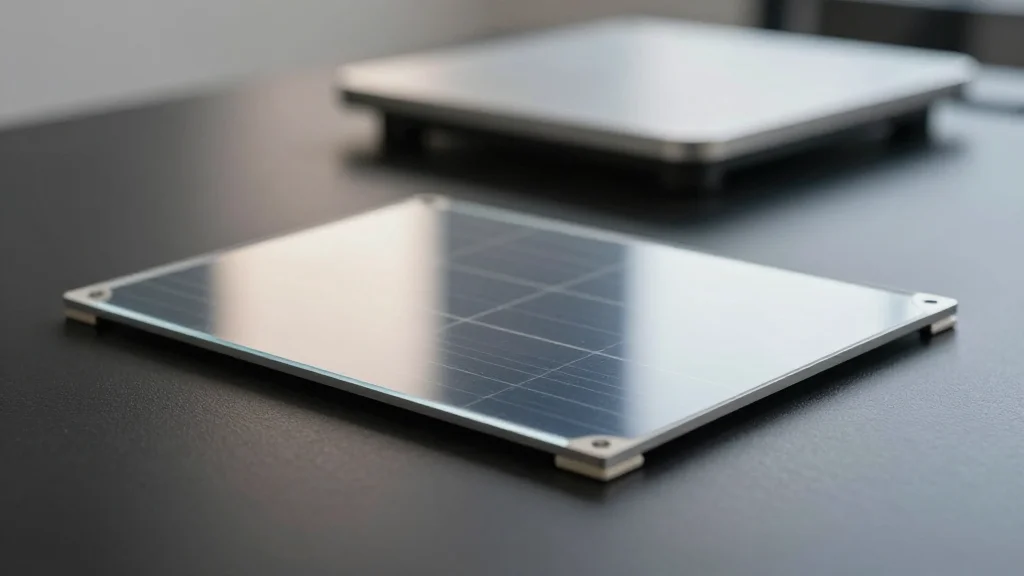
Solar Keeps Slimming Down While Power Rises
Why It Matters
Higher specific power reduces weight‑related costs and expands solar into new markets, accelerating the transition to low‑carbon energy systems. Accurate weight‑based performance modeling enables more sustainable PV system design.
Key Takeaways
- •Specific power rose from 8.5 to 23.6 W/kg.
- •Bifacial gains narrow technology performance gaps.
- •Glass and frames dominate module weight.
- •Thinner glass boosts specific power but reduces durability.
- •Design shifts enable aerospace and portable solar markets.
Pulse Analysis
The surge in specific power—measured as watts per kilogram—reflects a decade of engineering breakthroughs that prioritize weight as much as efficiency. By integrating bifacial cells, optimizing glass thickness, and managing temperature through improved NOCT (nominal operating cell temperature) standards, manufacturers have lifted output without proportionally increasing mass. This metric, once a niche concern for space‑bound photovoltaics, now informs mainstream rooftop and ground‑mount designs, where logistics and structural loads directly impact project economics.
Weight‑focused innovation is reshaping the solar market’s geography. Dual‑glass bifacial modules, despite adding mass, capture rear‑side irradiance and narrow performance gaps among PERC, TOPCon, HJT, and IBC technologies. Heterojunction cells, in particular, excel under combined temperature and rear illumination scenarios, making them attractive for high‑altitude or mobile applications. Simultaneously, the dominance of glass—accounting for up to 86% of module weight—forces a trade‑off between durability and handling ease, prompting manufacturers to explore thinner, high‑strength glass composites.
The broader implication is a diversification of solar’s role beyond traditional rooftops. Lightweight, high‑specific‑power panels unlock aerospace, unmanned aerial vehicle, and portable off‑grid solutions, accelerating decarbonization in sectors previously constrained by mass. Accurate modeling that incorporates NOCT and bifacial gains ensures designers can predict energy yield per kilogram, aligning system sizing with sustainability goals. As the industry balances material savings against reliability, the next wave of PV design will likely hinge on smarter, lighter structures that maintain long‑term performance.
Solar keeps slimming down while power rises
Comments
Want to join the conversation?
Loading comments...