The POWER Interview: Helping Power Infrastructure ‘Keep Pace With Modern Ambition’
Companies Mentioned
Why It Matters
The technology tackles a critical bottleneck that threatens data‑center expansion and grid resilience, offering utilities a fast, low‑impact path to add capacity.
Key Takeaways
- •Data centers demand power density exceeding legacy grid capacity
- •VEIR uses high‑temp superconductors to boost current per corridor
- •Solution adds capacity without new towers or wide rights‑of‑way
- •Compact products enable rapid, behind‑the‑meter expansion
- •Faster upgrades reduce interconnection queues and curtailment risk
Pulse Analysis
The rapid proliferation of hyperscale data centers is outpacing the ability of traditional transmission infrastructure to deliver reliable power. Utilities face congested corridors, lengthy permitting cycles, and costly curtailments that can erode profitability and delay projects. As demand for high‑density loads intensifies, the industry is forced to look beyond incremental upgrades toward transformative technologies that can squeeze more power through existing pathways.
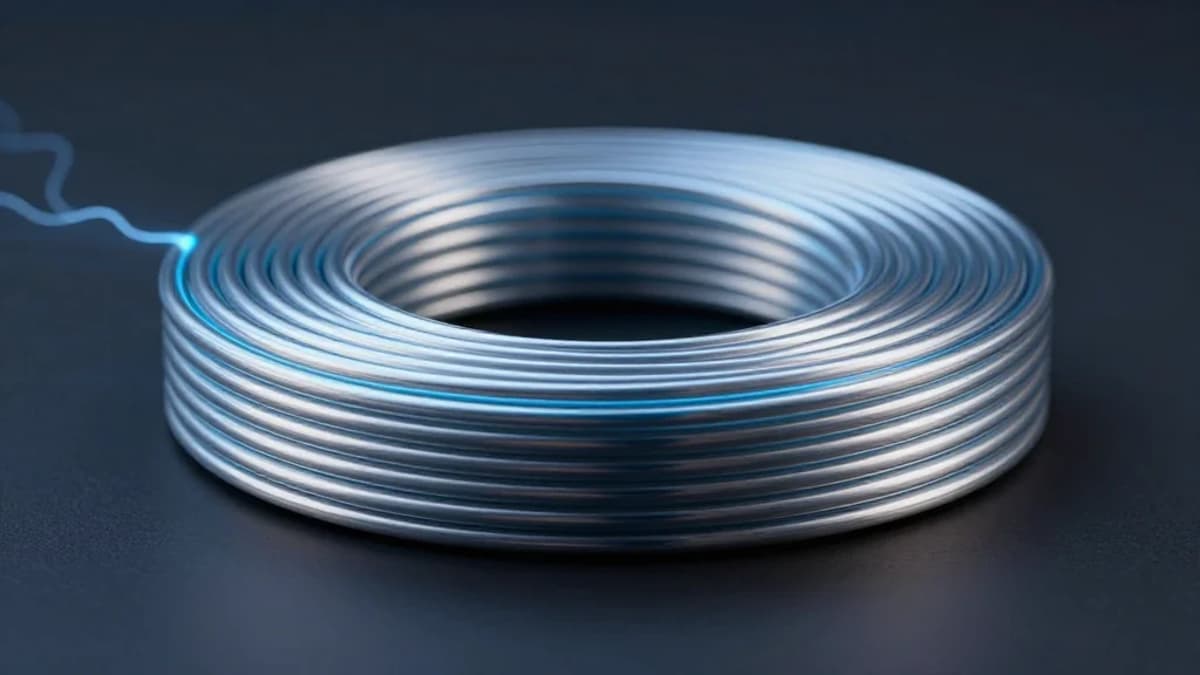
Enter high‑temperature superconducting (HTS) transmission, the core of VEIR’s offering. By eliminating electrical resistance, HTS cables carry multiple times the current of conventional conductors within a fraction of the physical footprint. Coupled with integrated cryogenic cooling, these systems can be retrofitted into existing rights‑of‑way, underground ducts, or urban corridors without the visual and permitting challenges of new overhead lines. The result is a high‑capacity, low‑visual‑impact solution that aligns with community expectations while delivering utility‑grade reliability.
For utilities and large‑load developers, VEIR’s approach promises faster time‑to‑service and lower capital expenditures. Compact, behind‑the‑meter products enable data‑center operators to scale power on site without extensive civil works, reducing construction timelines from years to months. As standards evolve and supply chains mature, HTS technology could become a mainstream option for grid reinforcement, supporting the broader transition to renewable generation and resilient, high‑density load centers. Early adopters stand to gain competitive advantage through reduced interconnection delays, lower operating costs, and enhanced grid stability.
The POWER Interview: Helping Power Infrastructure ‘Keep Pace With Modern Ambition’


Comments
Want to join the conversation?
Loading comments...