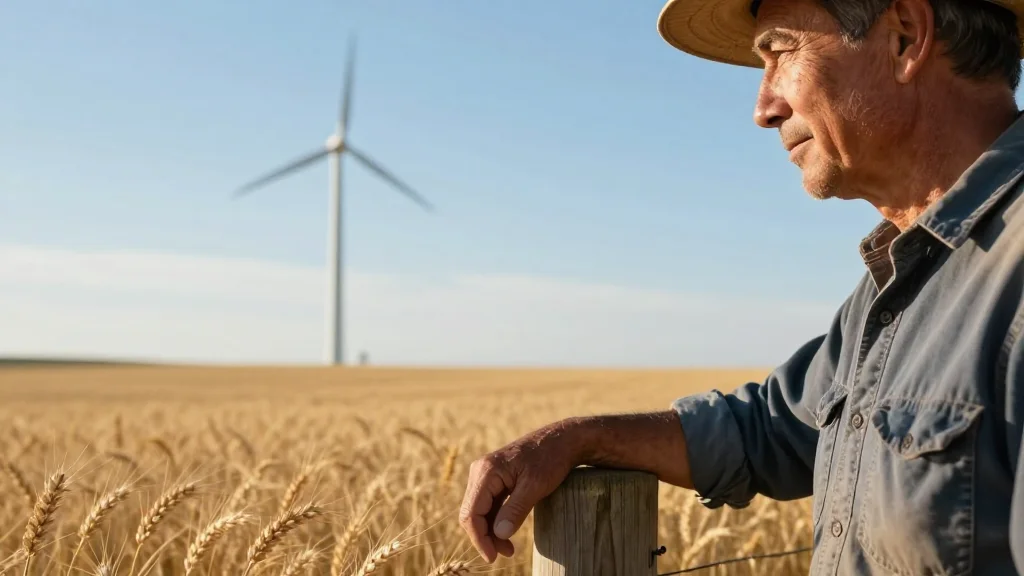
This Ohio County Put a Ban on Wind and Solar. Will Voters Reverse It?
Why It Matters
The decision will shape future renewable‑energy development, land use, and job creation in a key agricultural region and could set a precedent for other Ohio counties grappling with similar bans.
Key Takeaways
- •Richland County banned utility‑scale wind and solar in 11 townships.
- •Citizens gathered thousands of signatures for a May 5, 2026 referendum.
- •Ohio’s SB 52 lets counties block projects but also allows voter challenges.
- •Rural opposition cites property rights and farmland preservation, while unions seek jobs.
- •Overturning the ban could bring cheap clean power and agrivoltaics.
Pulse Analysis
Ohio’s recent surge in local renewable bans reflects a broader national pattern, with more than 450 counties and municipalities imposing restrictions since 2024. Senate Bill 52, passed in 2021, gave Ohio counties the authority to prohibit utility‑scale solar and wind farms of five megawatts or larger, effectively turning zoning decisions into a political lever. While the law aims to protect local land use, it also creates a legal pathway for citizens to challenge bans through referenda, as seen in Richland County’s upcoming vote. This mechanism highlights the tension between state‑level energy goals and grassroots control of land development.
For Richland’s largely agricultural community, the debate intertwines property rights, farmland preservation, and economic opportunity. Pro‑ban advocates argue that large solar arrays could fragment valuable cropland and alter the rural character that underpins the county’s economy. Yet renewable projects often offer lease payments that help farmers keep land in the family, and emerging agrivoltaic models allow crops or livestock to coexist with solar panels. By unlocking access to some of the nation’s cheapest electricity sources, overturning the ban could lower utility bills for residents and attract ancillary businesses, from data centers to processing facilities, that rely on stable, low‑cost power.
Politically, the Richland referendum serves as a litmus test for Ohio’s energy future. A “no” vote would reinforce the SB 52 framework, potentially encouraging other counties to adopt similar bans and stalling clean‑energy expansion. Conversely, a “yes” outcome could embolden advocates for a more flexible, market‑driven approach, prompting lawmakers to reconsider the balance of local authority versus statewide decarbonization targets. Stakeholders from labor unions to environmental groups are watching closely, as the result may influence legislative reforms and the strategic calculus of developers eyeing the Midwest’s vast, underutilized wind and solar corridors.
This Ohio county put a ban on wind and solar. Will voters reverse it?
Comments
Want to join the conversation?
Loading comments...