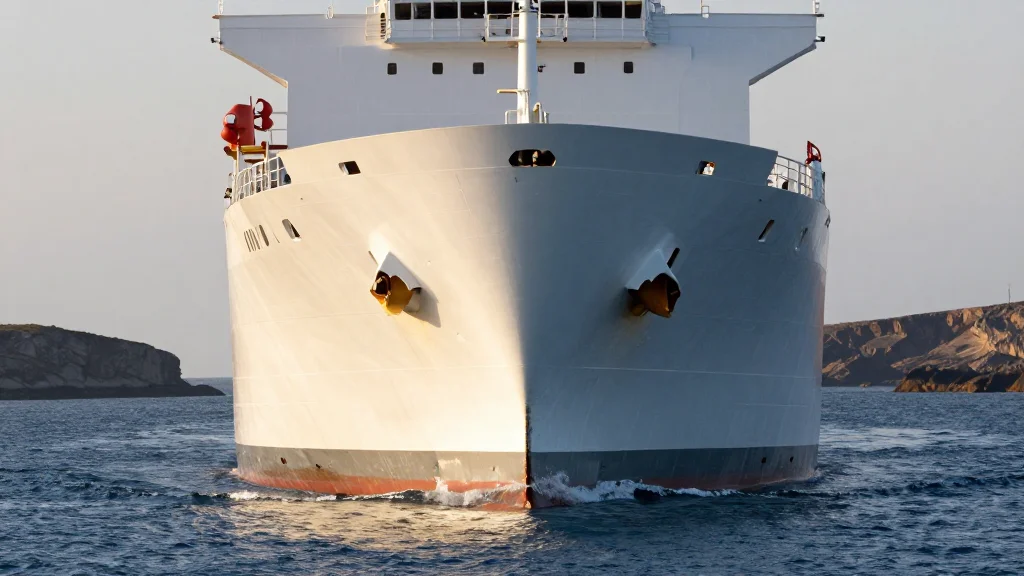
Two Supertankers U-Turn in Hormuz as US-Iran Talks Break Down
Why It Matters
The sudden U‑turns highlight escalating geopolitical risk that could disrupt a key oil conduit, pressuring shipping costs and global energy prices.
Key Takeaways
- •Two VLCCs aborted Hormuz transit as US‑Iran talks collapsed
- •Mombasa B successfully navigated Iran‑approved route amid regional tension
- •Empty tankers seek Gulf entry for future crude loading
- •Iran controls most post‑Feb transits, influencing global oil flow
- •Repeated aborts signal heightened shipping risk in Hormuz corridor
Pulse Analysis
The Strait of Hormuz remains a chokepoint for roughly 20 percent of global oil shipments, and any interruption reverberates through energy markets. Since the United States and Israel launched air strikes on Iranian facilities six weeks ago, the waterway has been effectively closed, prompting a scramble for alternative routes and a surge in insurance premiums. The recent breakdown of US‑Iran negotiations has revived concerns that the cease‑fire, which kept the strait partially open, could unravel, reigniting the risk of a full shutdown.
The abrupt U‑turns by the Agios Fanourios I and Shalamar illustrate how ship owners are weighing diplomatic signals against commercial imperatives. Both vessels were cleared by Iran for Hormuz passage, yet chose to reverse course once talks collapsed, suggesting a heightened aversion to potential seizure or combat damage. In contrast, the Mombasa B pressed on through the Iran‑approved lane, indicating that some operators are willing to accept the risk for timely market access. Insurers have responded by tightening coverage clauses and raising war‑risk premiums, squeezing profit margins for carriers.
Looking ahead, the pattern of aborted transits could pressure regional actors to negotiate a more durable corridor arrangement. If Iran continues to gate‑keep the strait, alternative routes such as the Bab el‑Mandeb or longer voyages around Africa may become economically viable, albeit at higher fuel and time costs. Market participants will monitor diplomatic overtures closely, as any sustained closure would tighten global oil supplies, push Brent crude above $90 per barrel, and accelerate the shift toward strategic petroleum reserves and non‑OPEC sources.
Two supertankers U-Turn in Hormuz as US-Iran talks break down
Comments
Want to join the conversation?
Loading comments...