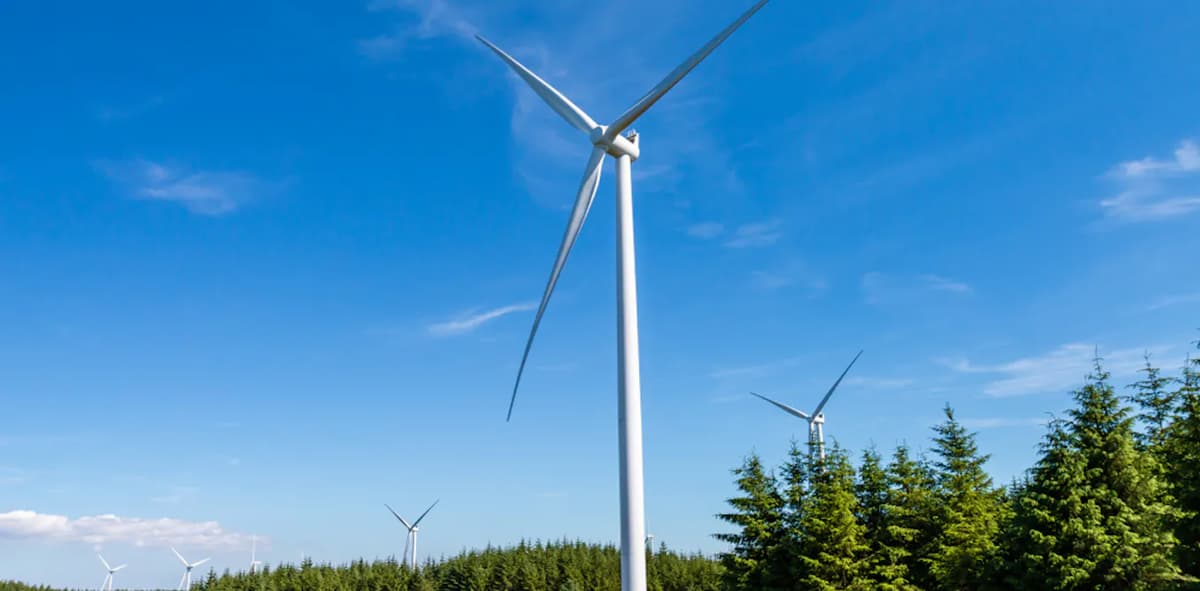
Why Windfarms and Electricity Pylons Have Become a Major Issue in the Welsh Election
Why It Matters
The outcome will shape Wales’s ability to meet its net‑zero deadline and determine whether costly underground transmission becomes the norm, influencing both energy prices and rural development.
Key Takeaways
- •Labour targets 100% renewable electricity by 2035
- •Conservatives demand pylon moratorium and underground cables
- •Plaid Cymru proposes strong presumption for undergrounding
- •93% oppose pylons locally, 65% support onshore wind
- •Undergrounding costs 2‑3× higher than overhead lines
Pulse Analysis
Wales’s ambition to power all electricity consumption with renewables by 2035 hinges on a massive rollout of wind, solar and tidal projects, yet the physical grid to transport that power is sparking political friction. The Labour‑run government’s recent renewable‑energy sector deal accelerates planning approvals, but the required transmission corridors—especially the Tywi‑Teifi and Towy‑Usk lines—face fierce local resistance. Rural communities fear visual intrusion and disruption from 30‑metre steel pylons, prompting right‑wing parties to champion a "bury cables first" stance and even call for a moratorium on new on‑shore wind farms.
The core of the debate lies in cost versus aesthetics. Independent analyses show underground 132 kV cables can cost 2.2‑2.8 times more than overhead lines, a differential that utilities typically pass to consumers. Conservatives and Reform UK leverage this expense to rally voters, while Plaid Cymru and the Greens argue that long‑term landscape preservation and community acceptance justify the premium. Plaid’s policy proposes a strong presumption in favour of undergrounding, seeking to amend planning guidance that currently allows cost‑based exceptions. The financial burden, however, remains a sticking point, with no clear funding mechanism outlined.
Electorally, the issue could tip the balance in marginal Senedd seats. Surveys reveal 93 % of respondents oppose new pylons in their area, yet a separate poll shows 60 % of Welsh voters worry about climate change and 65 % view on‑shore wind positively. This split forces parties to navigate between local opposition and national climate commitments. The eventual policy outcome will not only affect Wales’s carbon trajectory but also set a precedent for how other UK regions reconcile renewable infrastructure with rural landscape concerns, especially if a Plaid‑Green coalition emerges after the vote.
Why windfarms and electricity pylons have become a major issue in the Welsh election
Comments
Want to join the conversation?
Loading comments...