Workforce Gap of 53,000 Threatens 2026 Solar Deployment Targets
Why It Matters
A 53,000‑worker deficit jeopardizes the industry’s ability to hit 60‑70 GW deployment targets and could erode expected tax‑credit benefits, reshaping investment risk in the renewable market.
Key Takeaways
- •53,000 worker shortage threatens 2026 solar targets
- •86% of employers struggle to fill positions
- •Utility‑scale sector faces hardest hiring challenges
- •Apprentices must cover 15% labor hours for tax credits
- •Developers pivot to internal training and veteran hiring
Pulse Analysis
The July 4, 2026 construction deadline embedded in the One Big Beautiful Bill Act (OBBBA) has turned the U.S. solar market into a race against time. To qualify for the full Section 45Y and 48E tax credits, developers must complete projects before the deadline, driving a surge in pipeline activity. The 2025 U.S. Energy & Employment Report estimates the sector currently employs 280,000 workers but will need roughly 355,000 by late 2026 to install 60‑70 GW of capacity. This creates an immediate shortfall of about 53,000 skilled laborers, a gap that threatens the nation’s clean‑energy objectives.
The shortage is most acute in utility‑scale installations, where 86 % of employers report difficulty filling roles and 27 % label hiring for installation and development as “very difficult.” Mid‑level technical and management positions suffer the greatest deficits, as the industry demands expertise in high‑voltage design, AI‑integrated monitoring, and specialized certifications. Adding pressure, the 2026 apprenticeship mandate requires 15 % of labor hours to be performed by qualified apprentices, yet only 43 % of the existing workforce has access to the necessary training programs. This regulatory overlay intensifies the talent crunch.
Developers are responding by building internal talent pipelines, targeting veterans and workers transitioning from fossil‑fuel jobs, and investing in digital documentation and site‑tracking platforms that amplify the productivity of smaller expert crews. These tools enable seasoned journeymen to supervise larger groups of semi‑skilled labor, partially offsetting the apprentice shortfall. As banks increasingly tie financing to documented, compliant labor practices, a robust workforce strategy has become as critical as interconnection or supply‑chain stability. Companies that master workforce development will secure tax‑credit eligibility and maintain project bankability in the fast‑approaching 2026 deadline.
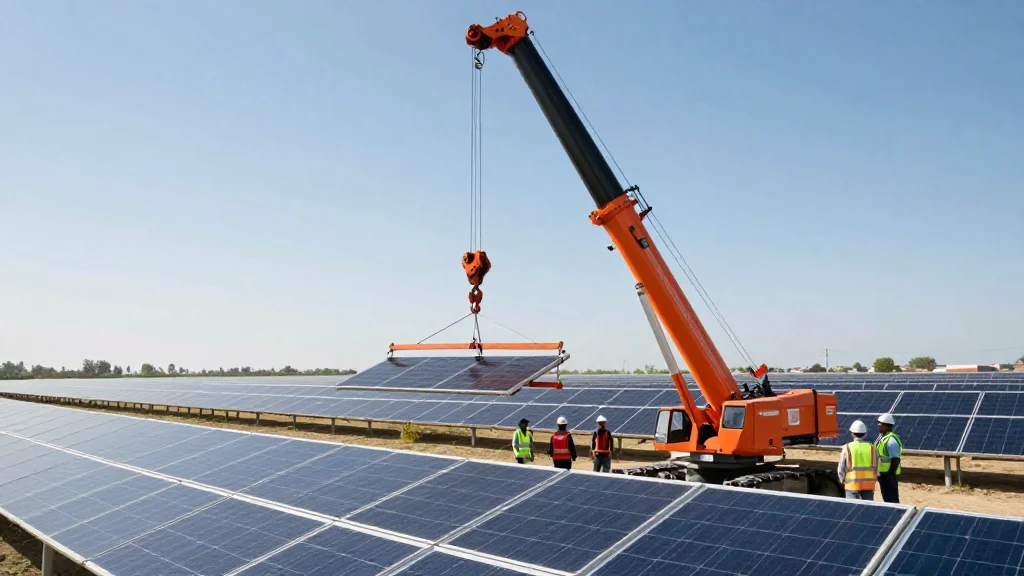
Workforce gap of 53,000 threatens 2026 solar deployment targets
Comments
Want to join the conversation?
Loading comments...