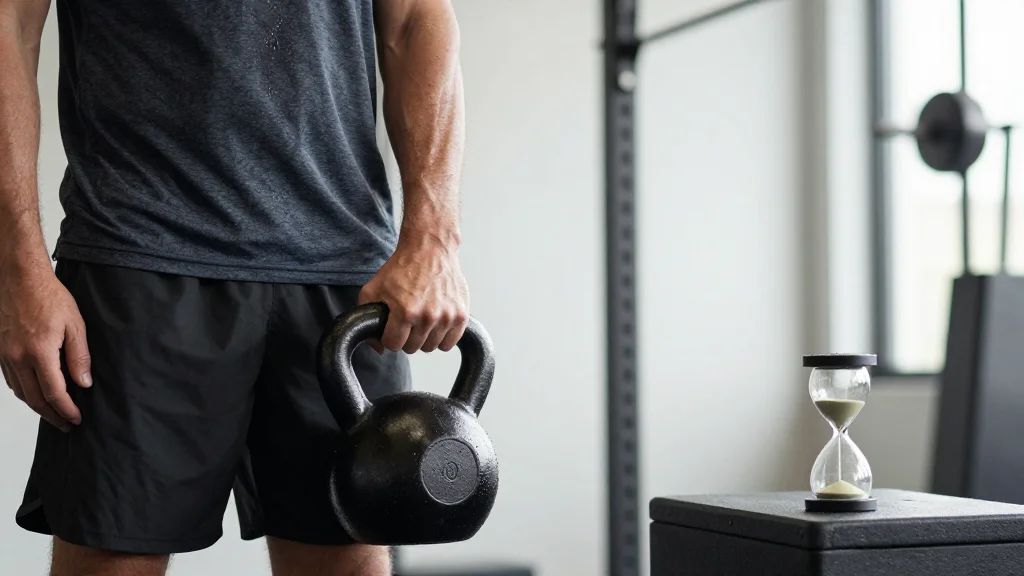
Lee Labrada Warns Aging Bodybuilders: Overtraining Undermines Longevity

Why It Matters
Labrada’s warning targets a rapidly expanding segment of the fitness market: athletes over 50 who still compete or train at high intensity. By spotlighting overtraining as a hidden risk, he draws attention to the need for evidence‑based programming that aligns with age‑related physiological changes. This could reduce injury rates, extend competitive lifespans, and drive demand for products and services that support recovery, joint health, and metabolic balance. Moreover, his influence may encourage gyms and coaches to redesign class offerings and certification curricula to include longevity‑focused protocols. The broader implication is a cultural pivot within bodybuilding from pure size‑maximization toward a more holistic definition of success—one that values health span as much as muscle span. If the community embraces this shift, it could reshape sponsorship models, competition judging criteria, and the overall narrative around what it means to be a bodybuilder in the second half of life.
Key Takeaways
- •Lee Labrada identifies overtraining as the biggest mistake for aging bodybuilders (May 22, 2026 video).
- •He urges diet and volume adjustments to protect joints, hormones, and recovery.
- •U.S. senior fitness market projected to exceed $12 billion by 2028.
- •Labrada Nutrition plans to launch age‑smart protein and recovery supplements.
- •Upcoming ebook and training split for athletes 60+ aim to codify longevity‑first methods.
Pulse Analysis
Labrada’s message taps into a broader demographic shift: the baby‑boomer cohort is now the largest consumer group in the fitness industry, and many are seeking ways to stay competitive without compromising health. Historically, bodybuilding has prized relentless volume and caloric excess, a formula that works for younger bodies but becomes counterproductive with age‑related declines in anabolic hormone levels and connective‑tissue elasticity. By publicly advocating a moderated approach, Labrada is leveraging his credibility to legitimize a new training paradigm that could redefine the sport’s aesthetic standards.
From a market perspective, this endorsement aligns with the rise of “functional bodybuilding,” a niche that blends classic hypertrophy with mobility, cardiovascular conditioning, and injury‑prevention strategies. Brands that can package supplements, apparel, and digital coaching around this narrative stand to capture a lucrative segment. The timing is also strategic: as the Enhanced Games and other high‑profile strength events spotlight extreme performance, there is a parallel appetite for safer, sustainable pathways for older athletes.
Looking forward, the key question is whether the bodybuilding community will institutionalize Labrada’s recommendations or relegate them to a peripheral wellness sub‑culture. If major federations begin to reward longevity‑oriented physiques—perhaps through new age‑class divisions or revised judging criteria—the shift could become entrenched. Conversely, if the traditional “size at any cost” ethos remains dominant, Labrada’s advice may only resonate with a niche of health‑conscious veterans. The next few competition cycles and the reception of his upcoming training split will be telling indicators of which direction the sport will take.
Lee Labrada Warns Aging Bodybuilders: Overtraining Undermines Longevity
Comments
Want to join the conversation?
Loading comments...