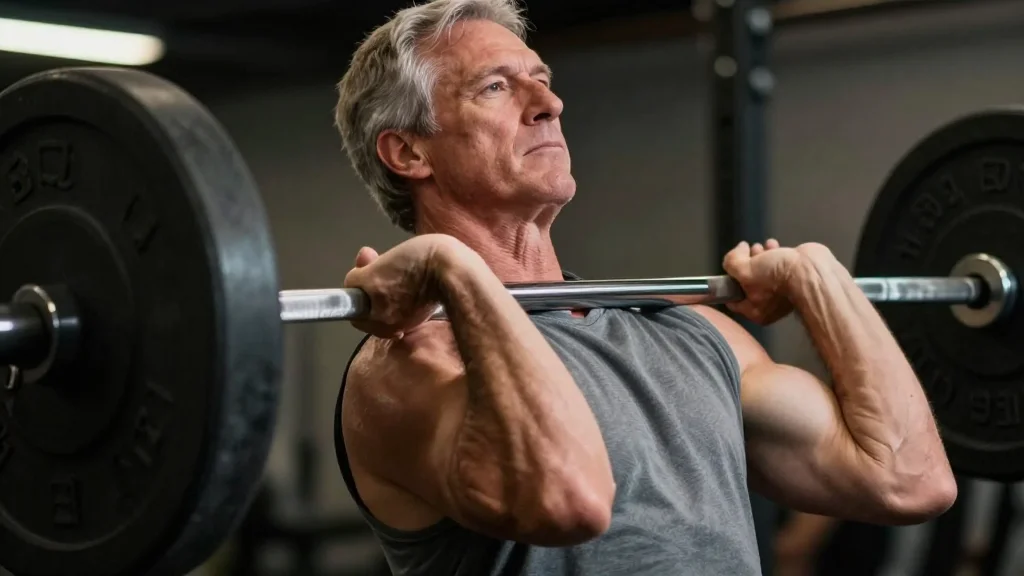
Masters Lifters Lose Strength Three Times Slower Than Non‑Trainers, Study Shows

Why It Matters
The study reframes how the fitness community views age‑related strength loss, offering evidence that consistent resistance training can dramatically slow decline. For older adults, this translates into greater functional independence, reduced injury risk, and improved quality of life. For the industry, it validates the growing market for senior‑focused strength programs and may shift product development toward equipment and coaching services that support long‑term training continuity. Beyond individual health, the research challenges academic assumptions about physiological plateaus, prompting a re‑examination of training periodization models used in elite sport and general population programs alike. By grounding theory in a massive real‑world data set, the work bridges the gap between laboratory hypotheses and everyday gym practice.
Key Takeaways
- •Study analyzed 9,259 drug‑tested raw powerlifters from IPF databases.
- •Data span up to 17 years of competitive history per lifter.
- •Masters athletes lose strength ~3× slower than non‑trainers.
- •Strength gains follow a smooth logarithmic curve with no stage‑based inflection.
- •Implications include revised training prescriptions for older adults.
Pulse Analysis
The Edith Cowan University analysis arrives at a moment when the fitness industry is aggressively courting the over‑50 demographic. Historically, programming for older athletes has been built on the premise that physiological capacity deteriorates sharply after a certain age, leading to conservative volume and intensity prescriptions. This study provides a data‑backed counter‑narrative: the same muscular and neural mechanisms that drive early‑career gains remain operative, merely operating closer to an individual’s ceiling.
From a market perspective, the evidence supports a surge in premium strength‑training services targeting seniors—think boutique gyms, virtual coaching platforms, and equipment lines marketed as “lifelong strength solutions.” Brands that can demonstrate program designs aligned with the study’s findings may capture a growing segment of health‑conscious consumers seeking to preserve functional capacity. Moreover, insurers and public health policymakers could leverage these insights to promote resistance training as a cost‑effective intervention for age‑related frailty, potentially reducing long‑term healthcare expenditures.
Looking ahead, the next research frontier will likely involve integrating biomechanical injury data with strength trajectories. If masters lifters can maintain strength while minimizing injury risk, the case for lifelong resistance training becomes even more compelling. Coaches and product developers should monitor forthcoming publications from Latella’s group, as they may refine the nuanced relationship between training load, recovery, and age‑specific adaptation. In the meantime, the current findings empower trainers to design more ambitious, evidence‑based programs for older athletes, shifting the narrative from “maintain what you have” to “continue to build.”
Masters Lifters Lose Strength Three Times Slower Than Non‑Trainers, Study Shows
Comments
Want to join the conversation?
Loading comments...