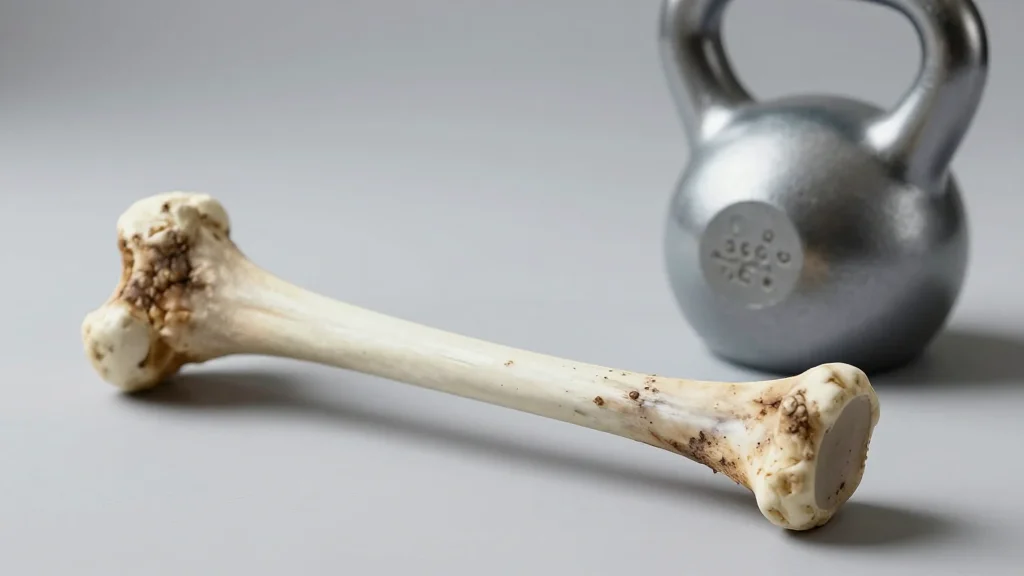
One‑Minute Daily High‑Intensity Move Boosts Bone Density, Study Finds

Why It Matters
Bone health is a growing public‑health concern as the global population ages; osteoporosis accounts for millions of fractures each year, driving healthcare costs and loss of independence. Demonstrating that a one‑minute, high‑intensity movement can improve bone density offers a scalable, low‑cost intervention that could reach sedentary individuals who struggle to meet existing exercise guidelines. For the fitness industry, the study opens a new niche focused on ultra‑short, high‑impact routines, potentially expanding market reach to older adults and time‑pressed consumers. Beyond individual health, the research could influence policy. If micro‑exercise recommendations are incorporated into national physical‑activity guidelines, public‑health campaigns may shift from emphasizing lengthy workouts to promoting frequent, brief bursts of activity, thereby lowering barriers to participation and improving overall skeletal health outcomes.
Key Takeaways
- •Study of >2,500 women links 1 minute of high‑intensity, weight‑bearing activity per day to increased bone density.
- •Participants performed short bursts like stair sprints, jogging, or jumping jacks.
- •Intensity, not duration, proved critical for stimulating bone growth.
- •Fitness tech firms are adding "bone‑boost" prompts to wearables and apps.
- •Public‑health guidelines may soon include micro‑exercise recommendations for osteoporosis prevention.
Pulse Analysis
The discovery that a single minute of high‑intensity movement can enhance bone density challenges the conventional wisdom that meaningful skeletal gains require prolonged resistance training. Historically, bone‑strengthening programs have centered on multi‑set weight‑lifting sessions or long‑duration aerobic activities, which can be intimidating for older adults. By validating a micro‑exercise model, the study aligns with a broader shift toward habit‑stacking and incremental health behaviors that are easier to sustain.
From a market perspective, this research could accelerate the convergence of health data and behavioral nudges. Wearable manufacturers have already amassed the sensor capabilities needed to detect short, high‑impact motions; integrating bone‑health metrics could differentiate products in a crowded space. Meanwhile, digital fitness platforms may develop subscription tiers focused on preventive bone health, leveraging the study’s credibility to attract a demographic that traditionally under‑invests in fitness services.
Looking ahead, the key question is whether the bone density improvements observed in a relatively short‑term study will translate into fewer fractures over the long term. If subsequent longitudinal trials confirm a causal link, insurers might begin to reimburse micro‑exercise programs, and policymakers could embed them in community health initiatives. The potential ripple effects—ranging from reduced healthcare expenditures to a re‑imagined definition of daily exercise—position this finding as a catalyst for both scientific inquiry and commercial innovation in the fitness ecosystem.
One‑Minute Daily High‑Intensity Move Boosts Bone Density, Study Finds
Comments
Want to join the conversation?
Loading comments...