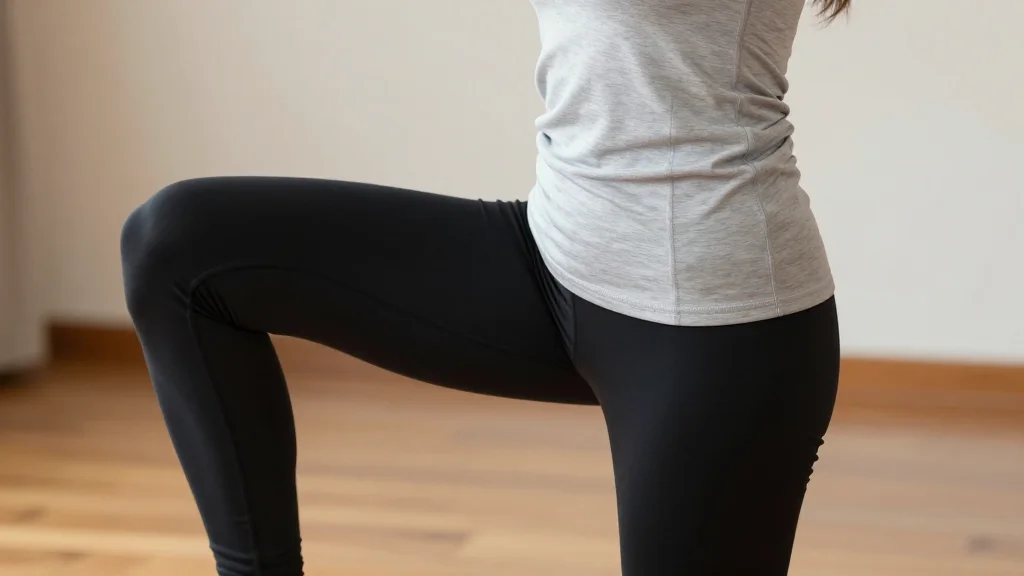
Study Backs Five Standing Exercises to Cut Falls for Adults Over 55

Why It Matters
Maintaining hip strength is a linchpin for older adults' ability to navigate daily life without falling, a leading cause of injury and loss of independence. By shifting the focus from passive stretching to weight‑bearing resistance, the new protocol aligns exercise science with real‑world functional demands, offering a measurable path to reduce healthcare costs associated with fall‑related injuries. The broader public‑health implication is significant: if community centers and senior living facilities adopt these evidence‑based exercises, the projected 34% reduction in injurious falls could translate into thousands of avoided hospitalizations annually, easing strain on Medicare and improving quality of life for millions of older Americans.
Key Takeaways
- •Five standing, weight‑bearing exercises target hip abductors, extensors, and stabilizers.
- •2023 JAMA study links standing resistance training to a 34% drop in injurious falls.
- •2024 trial shows 2.3‑fold increase in hip extensor torque and 41% better Timed Up‑and‑Go scores.
- •Adherence higher for standing routine (89%) versus floor stretches (72%).
- •Protocol positioned to attract senior‑focused gym programs and public‑health funding.
Pulse Analysis
The shift toward standing, load‑bearing exercises reflects a maturation of geriatric fitness from generic flexibility work to targeted neuromuscular conditioning. Historically, senior programs emphasized low‑impact stretching to avoid injury, but emerging data reveal that the nervous system requires load to recalibrate proprioception and rapid corrective responses. This paradigm change mirrors trends in athletic training, where specificity drives performance gains, and now it is being applied to the aging demographic.
From a market perspective, the five‑exercise regimen offers a low‑cost, high‑impact differentiator for fitness providers. As insurers increasingly tie reimbursements to outcomes, programs that can demonstrate a quantifiable fall‑reduction metric will likely secure premium contracts. Moreover, the protocol’s simplicity—requiring only a chair, a step, light dumbbells, and a resistance band—lowers barriers to entry for community centers with limited equipment budgets.
Looking ahead, the real test will be scalability. While controlled trials show promising adherence, real‑world implementation must contend with varied instructor expertise and participant motivation. Success will depend on integrating the routine into broader lifestyle interventions, such as nutrition counseling and fall‑risk assessments, creating a holistic ecosystem that sustains strength gains over the long term.
Study Backs Five Standing Exercises to Cut Falls for Adults Over 55
Comments
Want to join the conversation?
Loading comments...