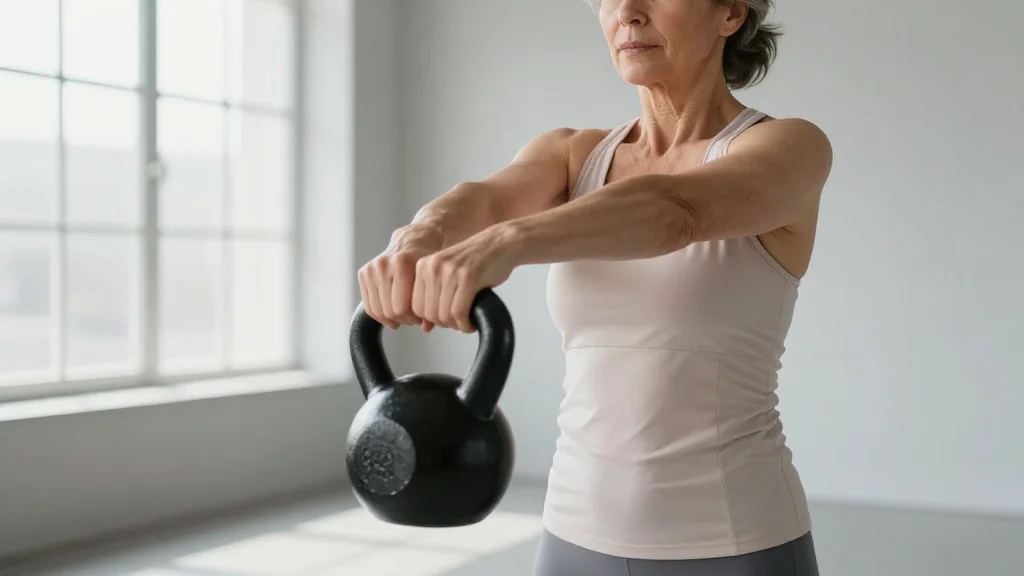
Study Finds Maintaining Muscle Strength Cuts Mortality Risk for Older Women

Why It Matters
Preserving muscle strength emerges as a concrete, actionable factor that can reduce mortality risk for older women, a demographic that historically faces higher rates of age‑related health decline. By translating these findings into everyday fitness routines, trainers and health providers can help women maintain independence, reduce healthcare costs, and improve quality of life. The study also challenges the prevailing focus on cardio‑centric recommendations for older adults, suggesting that strength training should occupy a central role in public health messaging and insurance‑covered wellness programs. As the population ages, integrating strength‑preserving strategies could have measurable impacts on national health outcomes and longevity statistics.
Key Takeaways
- •Study links maintained muscle strength to ~30% lower mortality risk in women 60+
- •Sarcopenia accelerates after menopause, affecting metabolism and balance
- •Strength training 2‑3 times weekly with light weights or bands is recommended
- •Findings may shift public‑health guidelines toward strength‑focused exercise
- •Future research will examine diet‑exercise combos and specific training modalities
Pulse Analysis
The new study arrives at a pivotal moment when the fitness industry is re‑evaluating its approach to aging populations. Historically, cardio‑centric programs dominated senior fitness, but the data now quantifies the mortality advantage of strength preservation, giving trainers a compelling evidence base to redesign class offerings. Studios that have already introduced low‑impact resistance classes stand to benefit from heightened demand, while equipment manufacturers can capitalize on the surge in home‑based strength tools tailored for older users.
From a market perspective, insurers may soon incorporate strength‑training metrics into wellness incentives, mirroring how step counts have been monetized. The study’s emphasis on moderate, consistent training counters the high‑intensity narrative that dominates younger demographics, reinforcing the need for age‑appropriate programming. Moreover, the research underscores the synergy between nutrition and resistance work; protein‑rich diets could amplify the mortality benefit, opening avenues for integrated health platforms that combine meal planning with exercise tracking.
Looking ahead, the longitudinal follow‑up promised by the researchers will be critical. If subsequent data confirm that specific resistance protocols further reduce death risk, we could see a stratified approach where personalized strength regimens become standard care for older women. This would not only reshape fitness curricula but also influence policy, potentially prompting Medicare or private insurers to reimburse targeted strength‑training interventions as preventive medicine. The convergence of scientific validation, consumer interest, and policy incentives positions muscle‑strength maintenance as a cornerstone of the next wave of senior health strategy.
Study Finds Maintaining Muscle Strength Cuts Mortality Risk for Older Women
Comments
Want to join the conversation?
Loading comments...