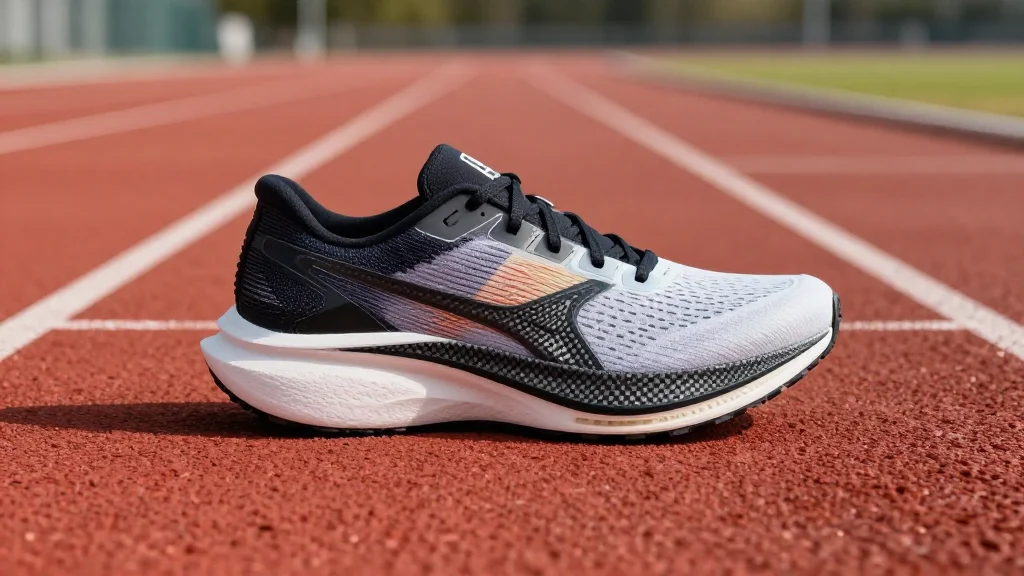
Study Finds ‘Super Shoes’ Boost Speed but May Heighten Injury Risk for Elite Runners

Companies Mentioned
Why It Matters
The findings strike at the core of a rapidly growing segment of the fitness market: performance‑enhancing footwear. As elite athletes and recreational runners alike chase marginal gains, the study highlights a hidden cost—altered biomechanics that could fuel a wave of stress‑related injuries. For clinicians, the research provides concrete data to refine screening and training recommendations. For manufacturers, it signals a need to innovate beyond speed, integrating injury‑prevention science into product design. Beyond individual health, the broader running community could see shifts in race‑day shoe policies, insurance considerations for sports injuries, and even the economics of sponsorships if injury rates climb. The balance between performance and safety will shape product development, coaching strategies, and the future of endurance sport.
Key Takeaways
- •23 elite runners (11 women, 12 men) tested neutral, lightweight foam, and AFT shoes.
- •AFT shoes delivered faster 5‑km race‑pace times but reduced cadence.
- •Reduced cadence led to increased overstriding and higher impact forces.
- •Greater medial arch collapse indicated heightened pronation risk.
- •Study calls for longitudinal research to track injury incidence.
Pulse Analysis
The Mass General Brigham study arrives at a pivotal moment when the running shoe market is dominated by carbon‑plate models promising 1‑2% performance gains. Historically, each wave of shoe innovation—from the introduction of air‑cushioning to the rise of minimalist footwear—has sparked a debate over injury risk versus performance. This research adds a new layer, showing that the very mechanics that accelerate a runner can simultaneously erode the structural integrity of bone tissue.
From a market perspective, brands that have built multi‑billion‑dollar businesses on the “super shoe” narrative may need to pivot. The data suggests a potential regulatory or liability frontier: if a clear causal link between shoe design and stress injuries is established, manufacturers could face lawsuits or be compelled to disclose biomechanical risks. Early adopters—especially elite athletes with sponsorship contracts—might renegotiate terms to include injury‑prevention clauses.
Coaching practices are also poised for change. The traditional emphasis on mileage and interval work will likely be supplemented with cadence‑focused drills and strength training targeting the posterior chain to counteract the overstriding effect. In the long run, the industry could see a bifurcation: a premium line of ultra‑fast shoes for short‑term performance peaks, and a parallel line engineered for durability and biomechanical fidelity for high‑volume training. The study’s call for collaborative design between engineers, clinicians, and athletes could usher in a new era of evidence‑based footwear, where speed and safety are no longer mutually exclusive.
Study Finds ‘Super Shoes’ Boost Speed but May Heighten Injury Risk for Elite Runners
Comments
Want to join the conversation?
Loading comments...