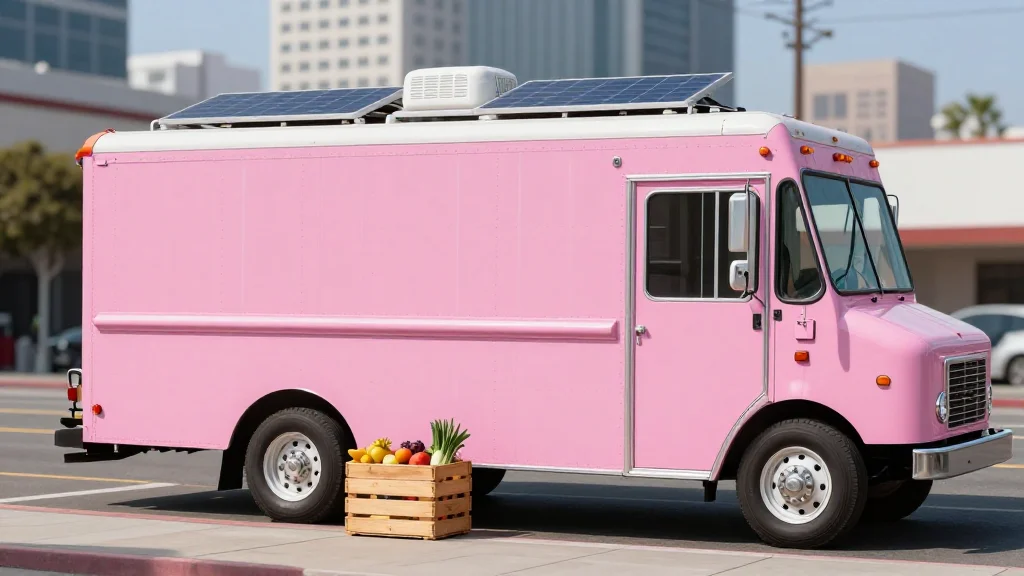
A Mobile Grocery Store Championing Black-Owned Brands Will Soon Cruise L.A.
Companies Mentioned
Why It Matters
The market directly addresses the disproportionate loss of Black‑owned food businesses during the pandemic, creating a sustainable distribution hub and boosting local economic resilience. Its mobile model could reshape how underserved communities access culturally relevant groceries nationwide.
Key Takeaways
- •Mobile trailer showcases Black-owned food brands across L.A.
- •Founders pivoted from fashion to grocery to address equity.
- •Solar‑powered trailer aims for weekly neighborhood stops.
- •Vendor sales boost after pop‑up exposure and online store.
- •Expansion plans include multiple trailers statewide.
Pulse Analysis
The rise of mobile grocery concepts reflects a broader shift toward hyper‑local retail, especially in cities where traditional storefronts struggle with high rents and zoning hurdles. Prosperity Market taps into this trend by delivering a curated selection of Black‑owned products directly to neighborhoods that have historically been food‑desert zones. By anchoring its inventory in culturally resonant items—such as Creole seasonings, Jollof rice, and locally grown produce—the trailer not only fills a nutritional gap but also reinforces community identity and purchasing power.
From a business perspective, the venture’s hybrid model blends brick‑and‑mortar presence, a food‑truck kitchen, and an e‑commerce platform. This diversification creates multiple revenue streams: on‑site sales, chef‑driven pop‑ups, and online order fulfillment. The solar‑powered, electric drivetrain reduces operating costs and aligns with sustainability expectations among younger consumers. Moreover, the founders’ background in fashion and makeup brings a strong branding sensibility, turning the trailer itself into a moving billboard that attracts media attention and social‑media buzz, which in turn drives vendor sign‑ups and customer footfall.
If the pilot succeeds, the scalability of a trailer fleet could inspire similar initiatives in other metropolitan areas facing comparable equity challenges. Investors are likely to view the model as a low‑capital, high‑impact opportunity to support minority entrepreneurship while tapping into the growing demand for convenient, culturally specific food options. As the service expands, data on purchasing patterns could inform larger supply‑chain partnerships, potentially reshaping how mainstream grocery chains source from Black‑owned suppliers. In short, Prosperity Market offers a replicable blueprint for inclusive, mobile retail that could redefine food access across the United States.
A mobile grocery store championing Black-owned brands will soon cruise L.A.
Comments
Want to join the conversation?
Loading comments...