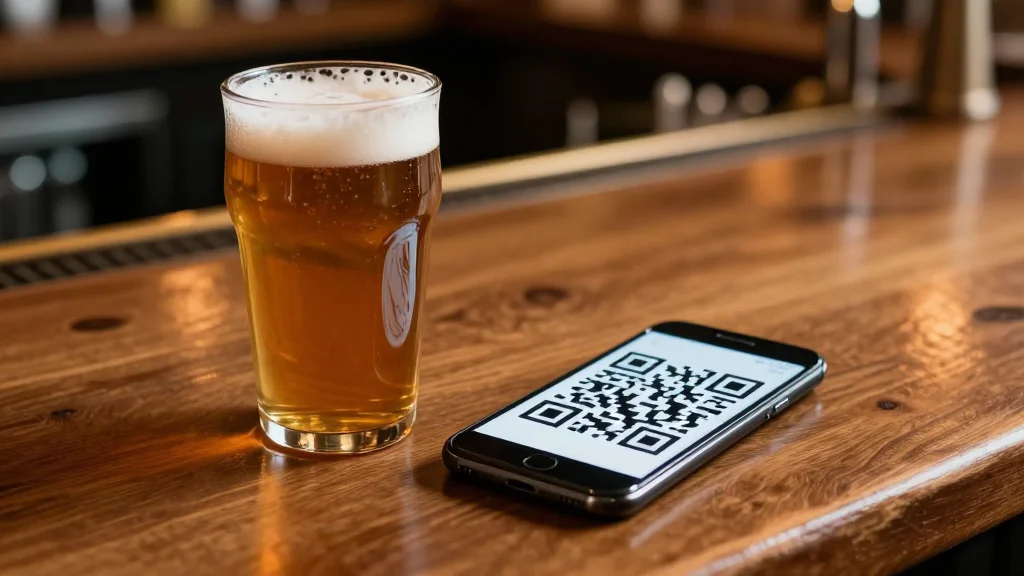
Why Some Bar Operators Are Voicing Concerns About QR Code Ordering
Why It Matters
The discussion signals a shift in hospitality strategy, where operators will weigh labor‑cost savings against the risk of eroding the social atmosphere that drives repeat visits and brand loyalty.
Key Takeaways
- •Wetherspoons runs ~815 UK pubs, 42,000 staff.
- •QR ordering boosts speed, accuracy, and average check size.
- •Bar interaction loss threatens customer loyalty and atmosphere.
- •Operators see technology as optional, not default.
- •Industry moving toward hybrid digital‑human service models.
Pulse Analysis
The pandemic accelerated the adoption of QR code menus, turning smartphones into virtual waitstaff. For chains facing chronic labor shortages, the technology offers a pragmatic solution: it reduces the burden on floor staff, cuts order errors, and often nudges customers toward higher‑margin items through automated upselling. Financially, the upside is clear—faster table turnover and higher average checks can offset the cost of the digital platform, making QR ordering an attractive efficiency lever for large operators like Wetherspoons.
However, the social contract of the British pub hinges on informal conversation, eye contact, and the bartender’s role as a community hub. When ordering shifts to a screen, that frictionless experience can become sterile, diminishing the venue’s atmosphere and weakening the emotional bond that fuels loyalty. Regulars may feel the loss of “banter at the bar,” and younger patrons, despite being tech‑savvy, are increasingly wary of over‑digitization that turns a night out into a transaction. The intangible cost—reduced brand differentiation and potential churn—can outweigh the measurable gains.
Looking ahead, the industry is likely to adopt a hybrid model that preserves human interaction while leveraging technology for routine tasks. Operators may keep QR menus as an optional channel, reserving staff‑driven service for peak times or for customers seeking a more traditional experience. Training bar staff to use digital tools as conversation enhancers rather than replacements can maintain the social anchor of the venue. This calibrated approach promises to retain the efficiency benefits of QR ordering without sacrificing the communal spirit that defines successful pubs and bars.
Why Some Bar Operators Are Voicing Concerns About QR Code Ordering
Comments
Want to join the conversation?
Loading comments...