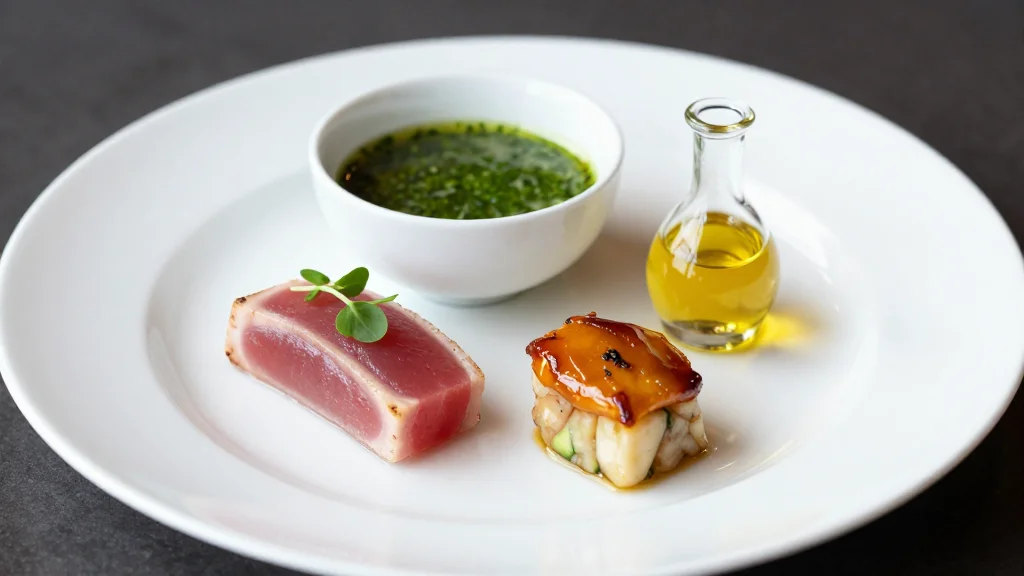
Chef Ace Tan and Desmond Heng Debut Asin, a Seasonal Asian Tasting Menu in Singapore

Why It Matters
Asin blends culinary tradition with modern health science, reflecting a broader shift toward food as preventive medicine in the fine‑dining sector. By foregrounding seasonal, region‑specific ingredients, the restaurant challenges the dominance of Euro‑centric tasting menus and could spur a wave of similar concepts across Asia. Moreover, the partnership leverages Suguru’s supply chain expertise, illustrating how tech‑enabled sourcing can support hyper‑local menus without inflating prices, a model other restaurateurs may emulate. The venture also tests consumer willingness to pay premium prices for a menu that changes multiple times a year. If successful, it could encourage investors to fund more experimental, ingredient‑driven concepts, reshaping Singapore’s restaurant ecosystem toward greater diversity and sustainability.
Key Takeaways
- •Asin opened on May 6 at Carpenter Street, Singapore
- •Eight‑course tasting menu priced at S$188++ (~US$140)
- •Menu changes each season, highlighting Southeast Asian ingredients
- •Chef Ace Tan partners with Suguru Home Dining founder Desmond Heng
- •Focus on deep sourcing, including wild Thai vegetables and Sarawak peppers
Pulse Analysis
Ace Tan’s return to Singapore with Asin marks a strategic pivot from the static, signature‑dish model that dominated the city’s fine‑dining scene a decade ago. By anchoring the menu in seasonal produce and health‑centric philosophy, Tan is tapping into a growing consumer segment that values transparency and functional benefits in their dining experiences. This aligns with global trends where chefs act as curators of wellness, turning the plate into a preventive‑medicine tool.
The collaboration with Desmond Heng adds a logistical advantage that many boutique restaurants lack. Suguru’s established network for premium Japanese ingredients provides a template for sourcing rare Southeast Asian produce at scale. If Asin can maintain its ingredient quality while rotating menus, it may set a new benchmark for operational efficiency in high‑touch dining, prompting larger groups to adopt similar sourcing partnerships.
However, the model’s sustainability hinges on consumer appetite for frequent menu overhauls and the restaurant’s ability to communicate the value proposition clearly. While the price point is competitive for a tasting menu, the added complexity of seasonal changes could strain kitchen staff and supply chains. Success will likely depend on Asin’s storytelling—leveraging Tan’s background in traditional Chinese medicine and Heng’s brand narrative—to justify the rotating experience. Should Asin thrive, we may see a cascade of seasonal, health‑focused concepts across the region, reshaping how fine dining is defined in Asia.
Chef Ace Tan and Desmond Heng Debut Asin, a Seasonal Asian Tasting Menu in Singapore
Comments
Want to join the conversation?
Loading comments...