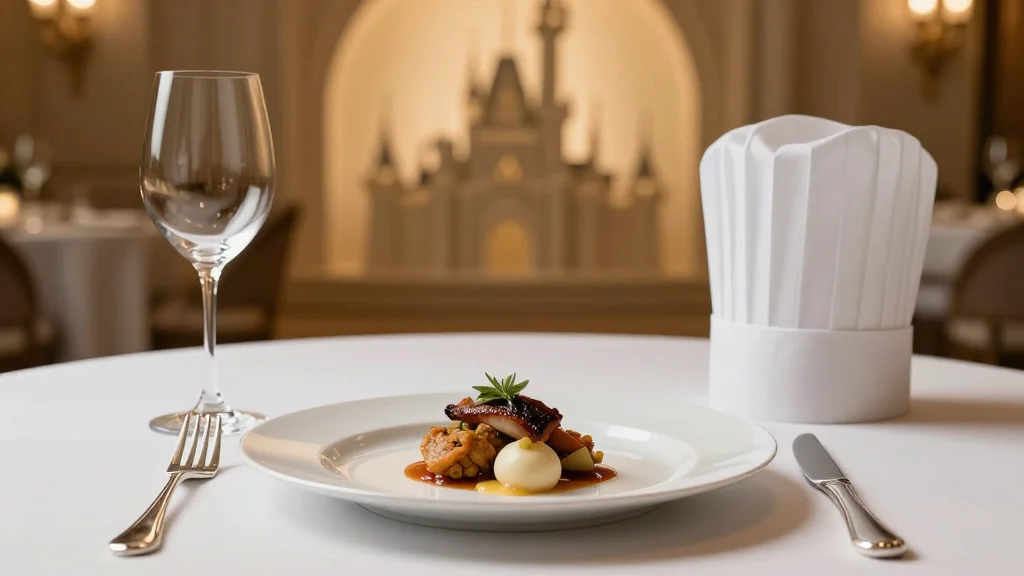
Disney Culinary Icon Andrew Sutton Leaves Napa Rose and Disneyland Restaurants After 25 Years

Companies Mentioned
Why It Matters
Andrew Sutton’s departure marks a pivotal moment for Disney’s food strategy, as the resort has long used its restaurants to differentiate itself from other theme parks. The shift could affect everything from menu pricing to the type of culinary talent Disney seeks, influencing the broader theme‑park hospitality market. Moreover, the change arrives amid a leadership overhaul, suggesting that Disney may recalibrate its focus between exclusive, chef‑driven experiences and more universally appealing, brand‑centric offerings. For guests, the outcome will shape the dining experience at one of the world’s most visited vacation destinations. A move toward broader accessibility could make high‑quality meals more attainable for families, while a continued emphasis on exclusivity may preserve the allure of Disney’s fine‑dining venues for affluent travelers and food enthusiasts. Either path will have ripple effects on supplier relationships, talent pipelines, and the competitive dynamics of luxury hospitality within the entertainment sector.
Key Takeaways
- •Andrew Sutton leaves Napa Rose, Carthay Circle, Club 33 and 21 Royal after 25+ years
- •His exit coincides with Disney’s new CEO Josh D’Amaro and Disney Experiences head Thomas Mazloum
- •Sutton helped transform Napa Rose into a culinary beacon and introduced premium tasting experiences at 21 Royal
- •Disney has not announced a successor or detailed future culinary direction
- •The change could signal a shift toward either more brand‑driven or more inclusive dining concepts
Pulse Analysis
The departure of Andrew Sutton is more than a personnel change; it reflects Disney’s broader strategic recalibration. For decades, Disney leveraged star chefs to elevate its brand, using food as a storytelling vehicle that attracted a niche, high‑spending demographic. Sutton’s tenure proved that a theme‑park can host restaurants that compete with city‑center fine‑dining establishments, setting a high bar for culinary excellence in a traditionally entertainment‑focused industry.
However, the concurrent leadership turnover suggests Disney may be re‑examining the cost‑benefit balance of that model. High‑end venues demand significant investment in talent, ingredients, and marketing, and they serve a relatively small segment of the park’s overall guest base. New executives might prioritize scalability, aiming to integrate culinary experiences more tightly with Disney’s core storytelling and merchandising engines. This could mean a pivot toward menu concepts that are both thematically resonant and operationally efficient, potentially leveraging data‑driven personalization or cross‑property collaborations.
From a competitive standpoint, Disney’s decision will send signals to rivals such as Universal Studios and emerging international parks. If Disney leans into a more inclusive, brand‑centric dining strategy, competitors may follow, leading to a democratization of premium park food. Conversely, a continued focus on exclusive experiences could reinforce a bifurcated market where a handful of elite venues command premium pricing while the majority of guests receive more standardized fare. Either scenario will reshape supplier contracts, talent recruitment, and the overall guest perception of value at Disney’s resorts. The next few months will be critical as Disney unveils its culinary roadmap, and the industry will be watching closely to gauge the future of theme‑park gastronomy.
Disney Culinary Icon Andrew Sutton Leaves Napa Rose and Disneyland Restaurants After 25 Years
Comments
Want to join the conversation?
Loading comments...