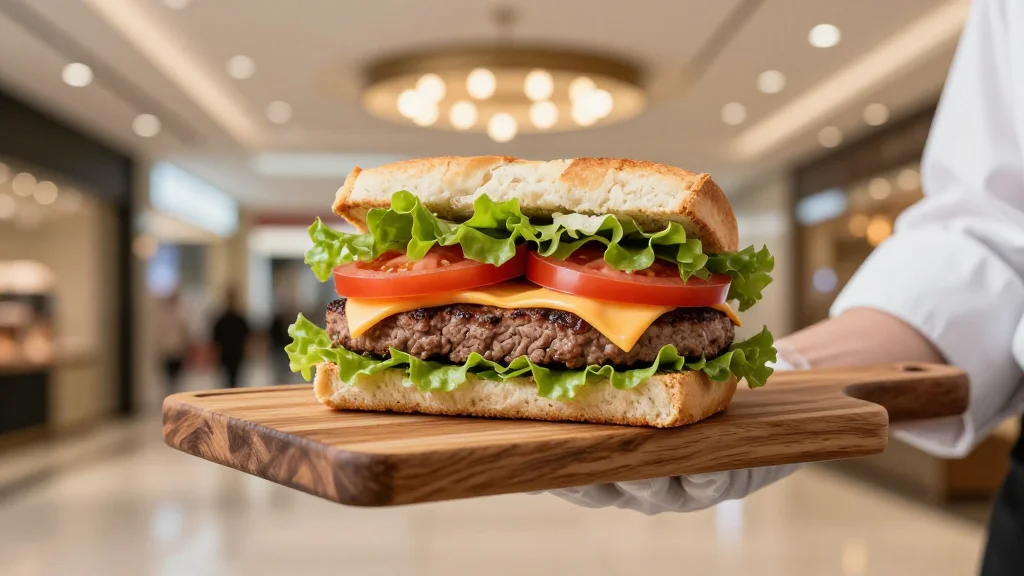
Gordon Ramsay Launches World‑First “Idiot Sandwich” Pop‑up in Manila’s Uptown BGC

Why It Matters
The Idiot Sandwich pop‑up illustrates how viral digital content can be monetized through experiential dining, a model that could reshape restaurant marketing strategies worldwide. By leveraging a globally recognized meme, Gordon Ramsay’s brand taps into a younger demographic that values shareable experiences, potentially driving higher foot traffic and media coverage for the host venue. For the Philippine food industry, the pop‑up signals a willingness to host bold, internationally‑linked concepts, reinforcing Manila’s emerging reputation as a destination for culinary experimentation. Success could attract further investment from global chefs seeking to test avant‑garde concepts in a market known for its enthusiastic food culture, thereby accelerating the diversification of the local dining landscape.
Key Takeaways
- •Gordon Ramsay Bar & Grill Philippines opens the world’s first Idiot Sandwich pop‑up in Manila’s Uptown BGC.
- •The concept transforms a viral meme into a physical sandwich‑focused venue with premium, globally‑inspired ingredients.
- •Opening date and full menu remain undisclosed, fueling social media buzz and anticipation.
- •The pop‑up aligns with a growing trend of internet‑driven, limited‑time dining experiences worldwide.
- •Potential expansion to other Philippine cities could cement Manila’s status as a culinary innovation hub.
Pulse Analysis
The launch of the Idiot Sandwich pop‑up marks a convergence of digital culture and traditional hospitality that could redefine how restaurants generate hype. Historically, celebrity chefs have relied on signature dishes or high‑profile restaurant openings to capture attention. Ramsay’s pivot to a meme‑based concept reflects a shift toward leveraging internet virality as a primary marketing engine. This approach offers immediate global reach—social platforms amplify the novelty far beyond the physical location—while also creating a sense of scarcity that drives foot traffic.
From a market perspective, the Philippines is uniquely positioned to benefit. The country’s young, mobile‑first population consumes a disproportionate amount of meme content, making a concept like the Idiot Sandwich instantly relatable. Moreover, Manila’s post‑pandemic tourism recovery is fueling demand for unique experiences that can be shared online, a factor that developers like Megaworld are keen to capitalize on. If the pop‑up delivers on taste as well as novelty, it could set a precedent for other chefs to test experimental concepts in the region, potentially leading to a wave of short‑term, high‑impact dining installations.
However, the novelty factor is a double‑edged sword. While it can generate rapid spikes in interest, sustaining that momentum requires culinary substance. Should the sandwiches fall short of the promised “premium” quality, the concept risks being dismissed as a gimmick, undermining the brand’s credibility. The long‑term success will hinge on whether Ramsay’s team can translate the meme’s humor into a menu that satisfies discerning palates, thereby converting curiosity into repeat business. In the broader context, the Idiot Sandwich pop‑up could become a case study for how culinary brands navigate the fine line between viral marketing and lasting culinary relevance.
Gordon Ramsay Launches World‑First “Idiot Sandwich” Pop‑up in Manila’s Uptown BGC
Comments
Want to join the conversation?
Loading comments...