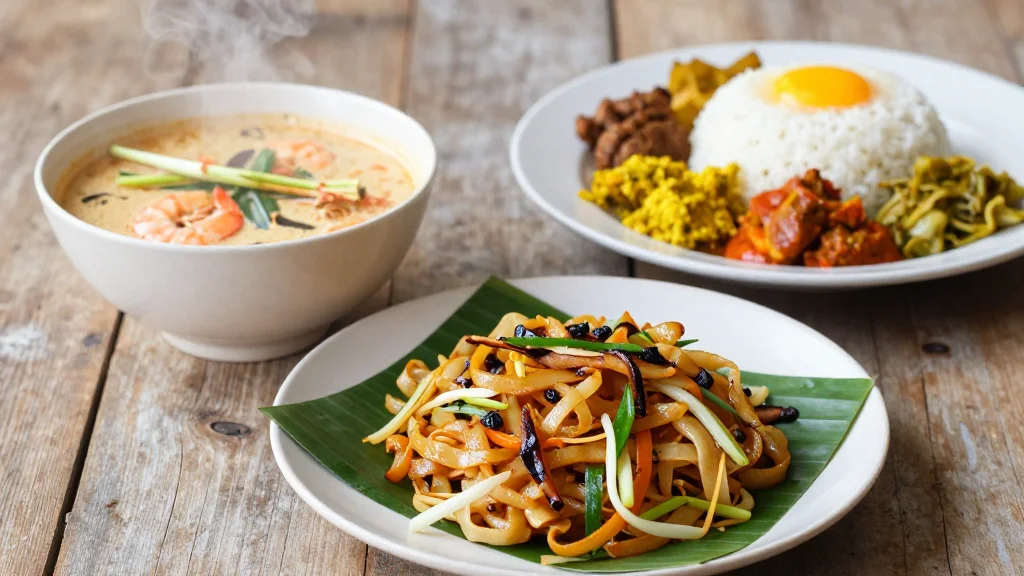
Penang Gazettes 28 Foods as Heritage to Power Culinary Tourism

Why It Matters
The formal recognition of Penang’s food heritage creates a tangible asset for the state’s tourism economy, turning everyday dishes into marketable cultural experiences. By linking culinary traditions to legal protection, the move safeguards recipes and cooking methods that might otherwise fade, while also providing a unique selling point in a crowded global tourism market. Beyond tourism, the gazettement supports local livelihoods. Hawkers and small‑scale producers gain a platform to showcase their heritage, potentially attracting higher foot traffic and better pricing power. The initiative also sets a precedent for other Malaysian states to leverage intangible cultural assets for economic development, reinforcing food as a strategic pillar of national growth.
Key Takeaways
- •Penang gazetted 28 traditional foods as intangible cultural heritage in 2026.
- •The designation covers dishes like nasi kandar, char kuey teow, asam laksa and teh tarik.
- •Heritage status provides legal protection and a marketing platform for culinary tourism.
- •The move aligns with Malaysia’s Visit Malaysia 2026 strategy emphasizing cultural experiences.
- •Tourism planners aim to launch food festivals and heritage trails ahead of the 2026 campaign.
Pulse Analysis
Penang’s heritage gazettement is a strategic blend of cultural preservation and economic engineering. Historically, food tourism has been a low‑cost driver for many Asian cities, but the shift toward heritage branding elevates the sector from a peripheral attraction to a core revenue stream. By embedding dishes in the legal framework, Penang reduces the risk of cultural dilution while creating a premium narrative that can command higher visitor spend.
The timing is crucial. As global travelers increasingly seek authentic, story‑rich experiences, destinations that can certify their offerings stand out. Penang’s approach mirrors successful models in Japan’s UNESCO‑listed culinary traditions and Italy’s protected food designations, where legal status translates into tourism dollars and export opportunities. The state’s dual‑batch rollout also suggests a phased strategy, allowing stakeholders to test promotional tactics before scaling.
Looking forward, the real test will be the conversion of heritage status into measurable economic outcomes. If visitor numbers rise and local hawkers report increased revenues, other Malaysian states may follow suit, potentially leading to a nationwide network of protected food heritage sites. This could reshape Malaysia’s tourism portfolio, positioning the country as a mosaic of culinary micro‑destinations rather than a monolithic beach‑focused market.
Penang Gazettes 28 Foods as Heritage to Power Culinary Tourism
Comments
Want to join the conversation?
Loading comments...