Tokyo’s $13 Ramen Shop Kani O Divides Diners Over Premium Pricing

Why It Matters
Kani O’s high‑priced ramen highlights a broader shift in Japan’s food sector, where restaurateurs are testing the limits of premium casual dining amid rising inflation. The experiment forces the industry to confront how far traditional dishes can be elevated before they lose their mass‑appeal, potentially reshaping pricing strategies across the sector. Moreover, the polarized response illustrates the power of social media and influencer endorsement in driving niche dining concepts, a dynamic that could influence future restaurant launches beyond ramen. If the premium model proves sustainable, it may encourage other low‑cost staples—such as sushi bowls or udon—to adopt similar upscale approaches, altering consumer expectations and prompting a re‑evaluation of value perception in everyday Japanese cuisine.
Key Takeaways
- •Kani O opened May 4 in Asakusa, Tokyo, charging 2,000 yen ($13) per bowl.
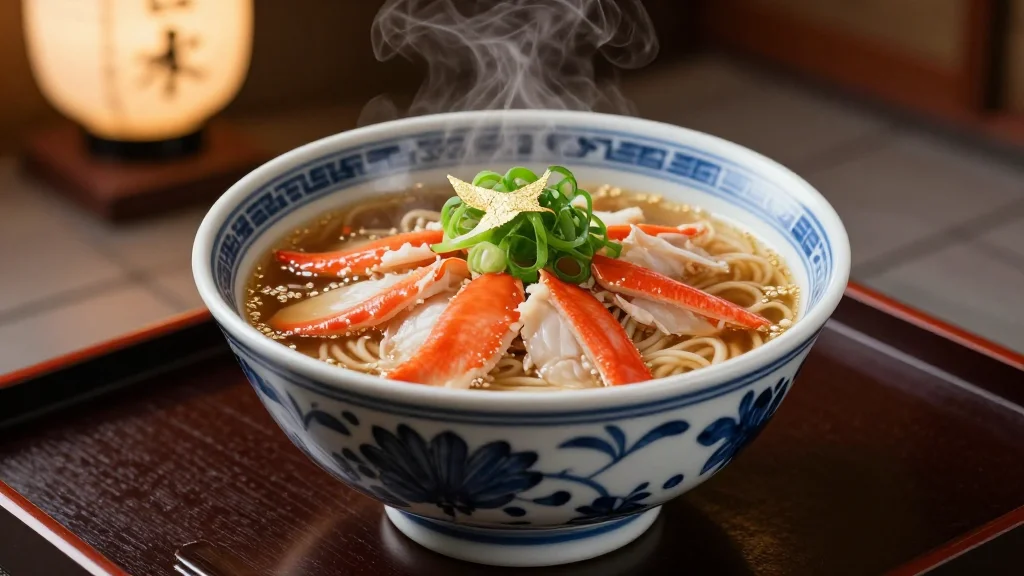
- •The restaurant’s signature ramen, “The Claaaaab,” features deep‑fried soft‑shelled crab imported from China.
- •Online reactions split into love‑it and hate‑it camps, with influencers praising and many non‑diners criticizing the price.
- •Japan’s ramen market is seeing more establishments exceed 1,000 yen per bowl due to inflation.
- •The case tests whether premium pricing can coexist with ramen’s traditional affordability.
Pulse Analysis
Kani O’s launch arrives at a crossroads where Japanese consumers are simultaneously price‑sensitive and increasingly drawn to experiential dining. Historically, ramen has thrived on its low‑cost, high‑volume model, serving as a comfort food for workers and students alike. The decision to price a bowl at double the typical upper‑range signals a strategic gamble: capture a niche of affluent diners seeking novelty, while risking alienation of the broader market that views ramen as a staple rather than a luxury.
From a competitive standpoint, the restaurant’s reliance on influencer marketing mirrors a global trend where culinary brands leverage social proof to justify premium pricing. However, the backlash—particularly from reviewers who have not even tasted the product—suggests that perceived authenticity remains a critical factor. If Kani O can refine its broth to meet flavor expectations while maintaining its theatrical branding, it may carve out a sustainable micro‑segment. Conversely, failure to address the “bland broth” critique could accelerate a retreat to more conventional pricing, reinforcing the notion that ramen’s value proposition is anchored in taste‑for‑money.
Looking ahead, the outcome of Kani O’s experiment could inform how other Japanese food categories approach premiumization. Should the model succeed, we may see a wave of upscale versions of traditionally inexpensive dishes, reshaping the casual dining landscape and prompting a reevaluation of price elasticity in a market accustomed to modest spending on everyday meals.
Tokyo’s $13 Ramen Shop Kani O Divides Diners Over Premium Pricing
Comments
Want to join the conversation?
Loading comments...