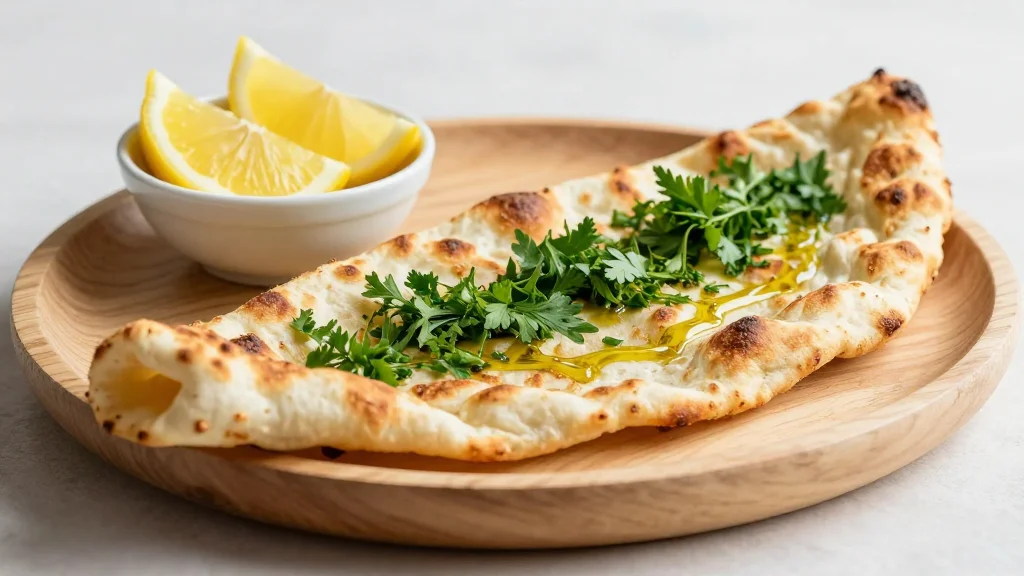
Turkey Demands Global Use of ‘Lahmacun’ Over ‘Turkish Pizza’

Why It Matters
The dispute over lahmacun’s name highlights a broader tension between cultural authenticity and global marketing. As food tourism expands, countries increasingly seek to safeguard the linguistic identity of their signature dishes, fearing that generic translations erode heritage and economic value. For Turkey, the campaign could boost the export of traditional flatbreads and related products, while also reinforcing national pride. If successful, the initiative may set a precedent for other cuisines to demand similar protections, prompting a reevaluation of how culinary terms are used in menus, travel guides, and digital platforms worldwide.
Key Takeaways
- •TUGAFED represents >10,000 culinary professionals across 14 associations.
- •The federation won the overall first‑place cup among 17 nations at the Algerian festival.
- •Assoc. Prof. Dr. Yılmaz Seçim urges global media to use ‘lahmacun’ instead of ‘Turkish pizza.’
- •Upcoming competitions in the UK and Latvia will serve as test cases for the naming campaign.
- •The effort aims to strengthen Turkey’s culinary brand and protect cultural terminology.
Pulse Analysis
Turkey’s push to standardize the name lahmacun reflects a strategic use of soft power through gastronomy. By leveraging recent competition victories, TUGAFED is turning culinary success into a diplomatic tool, positioning authentic terminology as a marker of quality and heritage. This mirrors similar moves by Italy, which protects the designation of “pizza Napoletana,” and France, which tightly regulates appellations for cheese and wine.
Economically, the campaign could unlock higher margins for Turkish producers who market lahmacun as a premium, culturally distinct product rather than a low‑cost pizza analogue. Retailers and food‑service operators that adopt the original name may benefit from differentiated branding, especially in markets where consumers increasingly seek authentic ethnic experiences.
However, the initiative faces practical hurdles. Global supply‑chain databases, restaurant POS systems, and travel guides often rely on simplified or translated dish names for ease of search and inventory. Convincing these stakeholders to adopt a less familiar term will require coordinated outreach, possibly supported by trademark or geographic‑indication mechanisms. The upcoming UK and Latvia contests will be a litmus test: if foreign chefs and judges consistently use “lahmacun,” the naming push could gain momentum; if not, the effort may remain largely symbolic. In either case, the debate underscores how food terminology can become a flashpoint for cultural identity in an increasingly interconnected market.
Turkey Demands Global Use of ‘Lahmacun’ Over ‘Turkish Pizza’
Comments
Want to join the conversation?
Loading comments...