First‑person base‑building merges immersion with strategic creation, driving higher player retention and expanding the genre’s market appeal. Developers can leverage these mechanics to differentiate titles in a crowded gaming landscape.
First‑person base‑building games have evolved from niche survival experiments into a mainstream pillar of interactive entertainment. By placing players directly in the environment, titles like The Forest and Rust turn construction into a visceral experience, where every wall and trap feels personally earned. This immersion fuels longer play sessions and community‑driven content, reinforcing the genre’s profitability and encouraging publishers to invest in deeper building systems.
The diversity of mechanics across the highlighted games illustrates the genre’s breadth. Survival‑oriented titles prioritize resource scarcity and defensive architecture, while industrial simulators such as Satisfactory and Space Engineers focus on logistical efficiency and automation. Meanwhile, creative sandbox experiences like Minecraft and Subnautica empower players to shape worlds without predefined limits, fostering endless replayability. The inclusion of newer entries like Abiotic Factor signals a shift toward modular, narrative‑rich environments that blend traditional base‑building with story‑driven objectives.
Looking ahead, the market will likely see further convergence of immersive storytelling and sophisticated construction tools. Advances in procedural generation and AI‑assisted design could lower entry barriers, allowing casual gamers to experiment with complex bases. Additionally, cross‑platform multiplayer and live‑service updates promise persistent worlds where communities co‑create and defend shared structures. Developers that balance creative freedom with meaningful progression will capture both hardcore builders and broader audiences, cementing first‑person base‑building as a lasting trend in the gaming industry.
Best Games With Base‑Building & Combat
By Oliver Tuscarny – HR advisor with a background in recruitment and HRIS functions, passionate about video games and writing. Oliver grew up playing Call of Duty with his siblings and has logged thousands of hours across multiplayer titles like Overwatch and League of Legends. He is a big soul‑like enjoyer, along with Metroidvanias like Nine Sols and roguelikes like Binding of Isaac. He enjoys hiking, climbing, and kayaking, and has been a longtime follower of GameRant.
Published Feb 16 2026, 6:30 PM EST
Base‑building games have existed for the longest time, and there are many different kinds on the market that all deliver a slightly different experience. Some games opt for a top‑down perspective and focus on a satisfying gameplay loop, while others use a first‑person view that emphasizes immersion and a compelling world that players can truly get lost in.

Details:
Surviving the elements and the natives
Functional base‑building
The Forest blends survival horror with practical base‑building in a way few first‑person games have ever attempted. Stranded on a cannibal‑infested island, players scavenge, craft, and slowly construct defensive shelters to survive increasingly aggressive attacks. The intensity ebbs and flows with the day cycle, with every night becoming a test of preparation and wits.
Details:
Prehistoric survival mechanics
Gradual progression loop
ARK: Survival Evolved throws players into a hostile world of dinosaurs and rival survivors, where base construction becomes essential to progression. From thatch huts to fortified metal compounds, building evolves alongside the player's tech level, ensuring a constant sense of forward momentum right from the start.
Details:
Race to build and harvest
Intricate strategies on both sides of the fight
Rust is one of the most challenging yet rewarding base‑building games on the planet, thrusting players into a brutal world with nothing but a rock to help them on their journey to domination. Assuming a level playing field, those initial hours become a race to the next steps, as everyone rushes to construct a home and gear up to either protect their creation or go on the offensive.
Details:
Logistical puzzles in stationary and moving objects
Depth within every placement
The depth comes from the engineering logic: conveyor systems, programmable blocks, and other tools allow for intricate creations that can quickly get out of control. Whether designing a mining vessel or a massive orbital fortress, the game rewards patience and technical creativity above all else.
Details:
Hostile environment to build on and defend
Balance of expansion and care
The management balance between defense and growth makes the game engaging; there are never truly safe moments to sit back and appreciate a creation. The eventual payoff of witnessing the player's ambition come to life is well worth the challenge.
Details:
Constant threat every week
Detailed base design potential
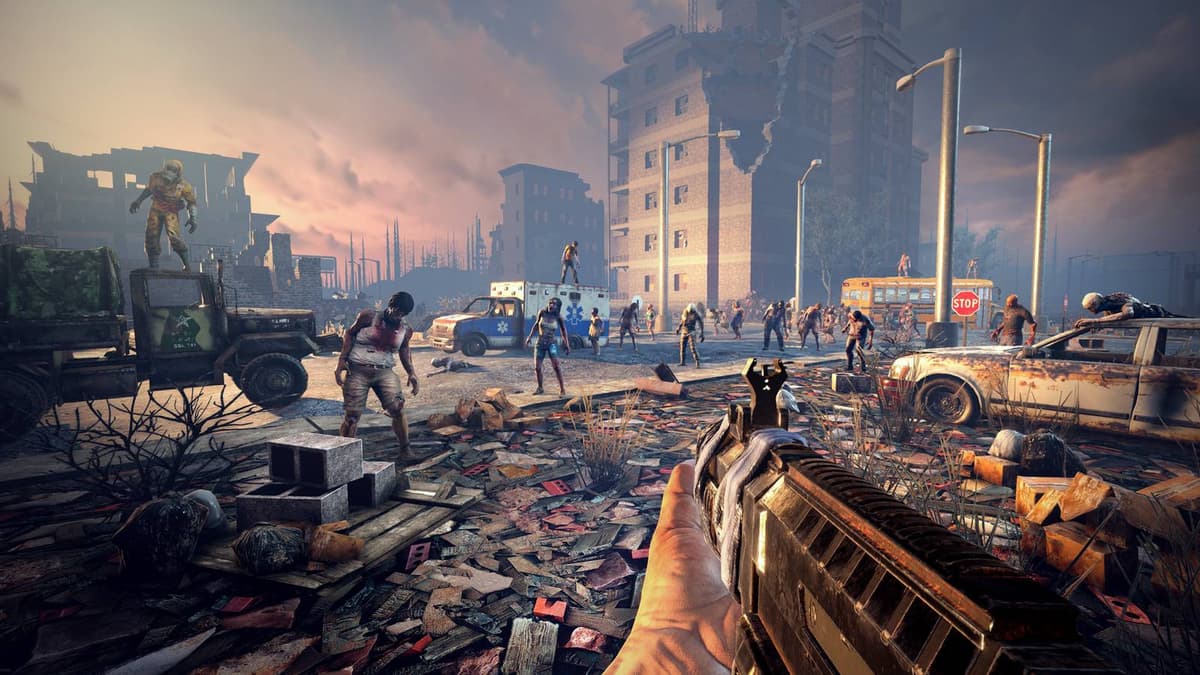
7 Days to Die makes base‑building a countdown to a catastrophe. Players must scavenge and fortify structures before the horde arrives every seventh night. The modularity of the base‑building allows for creative, respectable fortresses, which must be rebuilt and upgraded as the cycle repeats.
Details:
Industrial production lines across an entire landscape
Optimisation above all else
Combat exists, but optimisation is the true challenge. Players need to plan layouts and manage moving parts that go into even one production line. After many hours of labor, watching a perfectly tuned line operate smoothly is a reward in itself.
Details:
Construction driven by exploration
Function as much as comfort
Bases become both refuges and necessary points to rest. Construction becomes complex as rooms turn into corridors and platforms feeding into a single structure. An eerie horror feeling underlies the loop, as the lack of safety and knowledge about the depths below keeps tension high.
Details:
Extreme creativity even outside of mods
Surprising complexity under the surface
Minecraft’s lasting popularity stems from its simplicity. Rather than placing pre‑built structures, players use hundreds of individual blocks to build literally anything they can imagine—from houses to castles to entire cities. Redstone mechanics add depth, allowing blocks to move at will and enabling wacky contraptions, especially when combined with modpacks.
Details:
Building from an existing facility
Tight balance between all gameplay styles
Abiotic Factor reimagines base‑building by placing players in a mysterious research facility overrun by anomalies. Inspired by immersive sims, it combines cooperative survival with modular construction and defensive planning, relying more on pre‑existing structures than sandbox freedom. Players can repurpose office spaces and labs into fortified safe zones, wiring up power systems and crafting experimental gear to aid their mission. The balance between exploration, resource management, and thoughtful structure layouts makes it a cohesive and engaging experience, arguably the most refined fusion of first‑person immersion and meaningful base‑building in the genre.
Comments
Want to join the conversation?
Loading comments...