Nvidia Drives Hyper‑realism While Research Shows VR’s Therapeutic Edge

Companies Mentioned
Why It Matters
The Murdoch study reframes hyper‑real graphics as a public‑health tool, suggesting that investments in GPU performance could yield societal benefits such as reduced stress and improved learning outcomes. For the gaming sector, this expands the market narrative from entertainment to wellness, opening doors to new partnerships with healthcare providers and educational bodies. Moreover, the research underscores the importance of interdisciplinary collaboration. When hardware manufacturers, game developers, and academic researchers align on emotional design goals, the resulting ecosystems can accelerate innovation, lower costs through shared technology stacks, and create measurable ROI for non‑gaming stakeholders.
Key Takeaways
- •Nvidia’s roadmap prioritizes ultra‑realistic rendering for PC games.
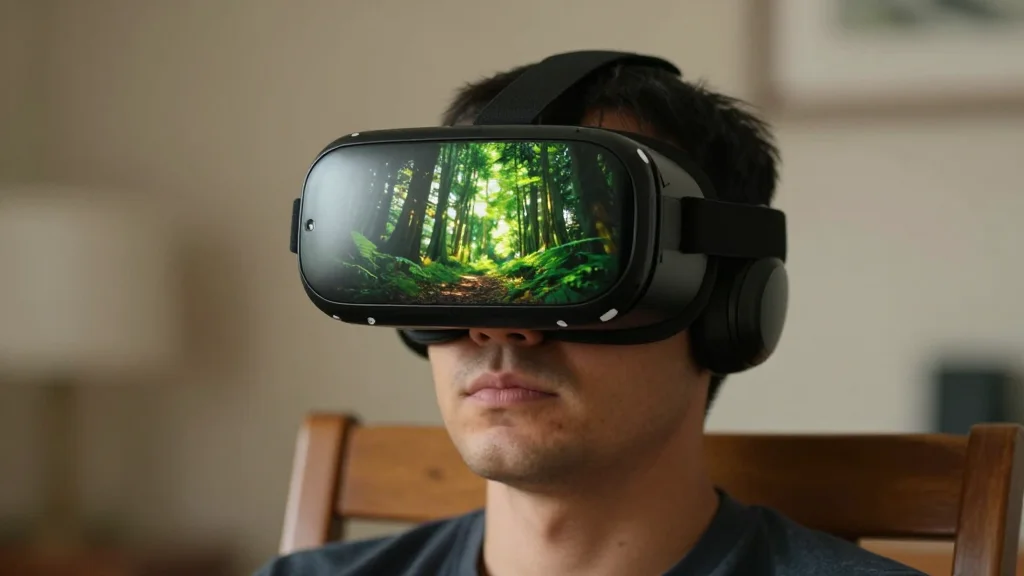
- •Murdoch University research links hyper‑real VR to awe, joy and calm.
- •Positive emotions in VR improve engagement, memory and decision‑making.
- •Hardware demand could grow in education, health care and architecture.
- •Future AI‑driven rendering may make hyper‑realism affordable for mid‑range PCs.
Pulse Analysis
Nvidia’s push for hyper‑realism arrives at a moment when the line between gaming and applied VR is blurring. Historically, graphics upgrades have been justified by the ‘wow factor’ for gamers, but the Murdoch study provides a data‑backed rationale for broader adoption. By quantifying emotional outcomes, the research gives investors a new metric—psychological impact—to evaluate the return on GPU investments.
From a competitive standpoint, Nvidia’s dominance in ray‑tracing hardware gives it a strategic advantage in supplying the visual fidelity required for therapeutic VR. Rivals such as AMD and Intel will need to match not only raw performance but also the ecosystem of software tools that enable emotion‑centric design. The next wave of game engines is likely to embed mood‑tracking APIs, allowing developers to tailor lighting and geometry in real time based on biometric feedback.
Looking forward, the convergence of AI‑upscaled graphics, real‑time ray tracing, and emotion‑focused research could democratize high‑impact VR experiences. If mid‑range GPUs can deliver sufficient realism, schools and clinics could deploy VR modules at scale, turning what was once a niche gaming feature into a mainstream wellness technology. Nvidia’s ability to translate its hardware advantage into measurable health benefits will be a key differentiator in the evolving VR marketplace.
Nvidia drives hyper‑realism while research shows VR’s therapeutic edge
Comments
Want to join the conversation?
Loading comments...