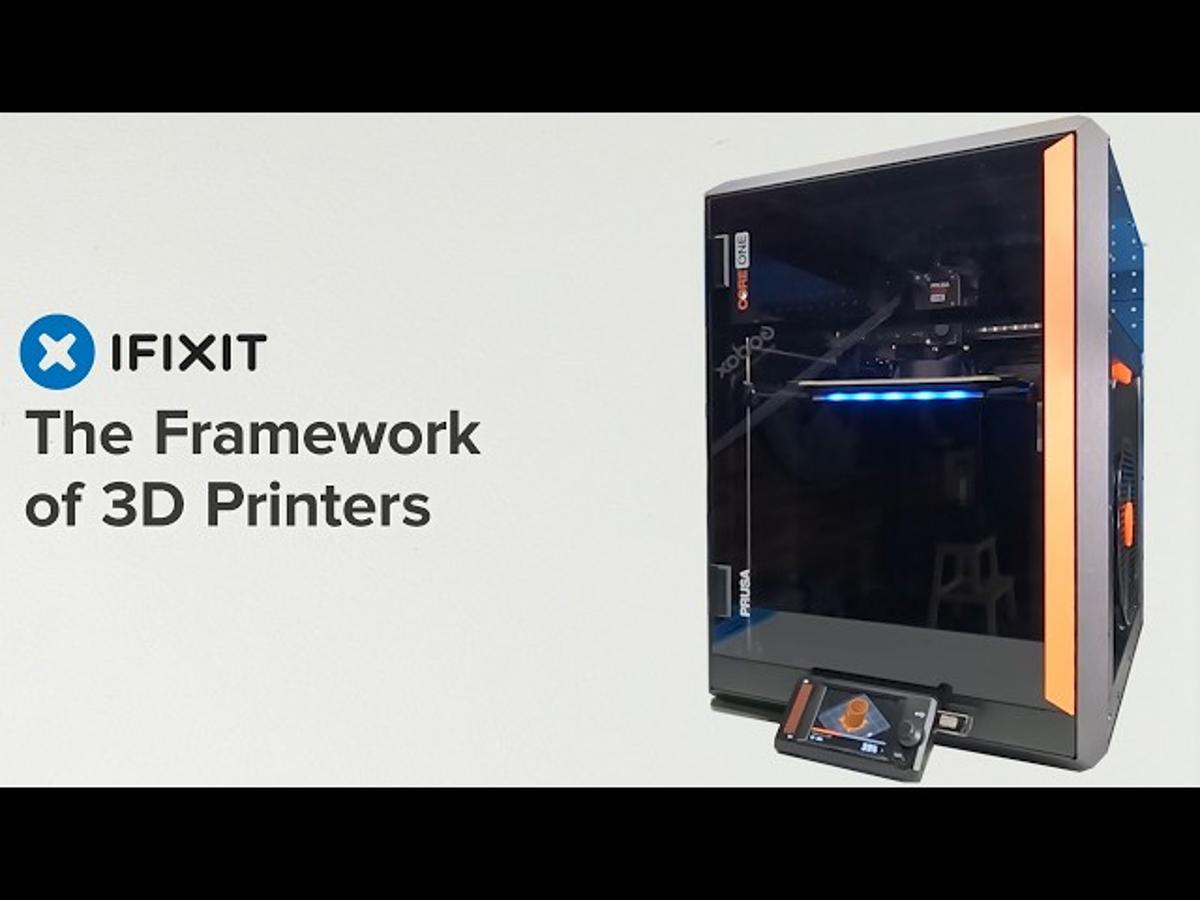
Prusa Vs. Competitors: Repairability and Upgrade Paths
Key Takeaways
- •Prusa MK2 can upgrade to 2025 Core 1
- •New Open Community License balances IP protection and community use
- •Over 70% of MK4S parts reusable for upgrades
- •Competitors like Bamboo offer cheaper, less repairable alternatives
- •Extensive spare‑parts catalog supports sustainable, non‑obsolescent printing
Summary
iFixit’s latest video highlights how Prusa’s MK2 printer can be upgraded through three generations, culminating in the 2025 Core 1 model, showcasing the brand’s long‑standing commitment to repairability. The segment also reveals Prusa’s shift from a pure open‑source license to an “Open Community License,” aimed at protecting intellectual property while still fostering community contributions. Alan Puccinelli explains that most MK4S components remain reusable, and demonstrates a nozzle replacement to illustrate the ease of maintenance. The discussion contrasts Prusa’s upgrade path with cheaper, less serviceable competitors such as Bamboo.
Pulse Analysis
The 3D‑printing market has matured from hobbyist curiosity to a multi‑billion‑dollar sector, and hardware longevity is becoming a decisive factor for professionals and educators alike. Prusa’s modular architecture—standardized extruders, interchangeable hotends, and readily accessible firmware—allows users to extend a printer’s useful life across multiple generations. This approach not only safeguards the initial investment but also creates a decentralized supply chain where spare parts can be printed or sourced from third‑party vendors, reinforcing the ethos of a "printer that makes printers."
Amid rising competition from low‑cost Chinese clones, Prusa introduced the Open Community License, a hybrid framework that retains key open‑source principles while imposing clearer usage boundaries. By delineating permissible modifications and commercial exploitation, the license aims to protect Prusa’s engineering innovations without alienating its core community. This strategic pivot reflects a broader industry trend where companies balance collaborative development with sustainable revenue models, ensuring they can continue to fund research, support extensive documentation, and maintain rigorous quality standards.
For the broader maker ecosystem, Prusa’s model offers a blueprint for sustainable product design. The ability to salvage over 70% of components when transitioning from MK4S to Core 1 reduces electronic waste and lowers total cost of ownership. As organizations prioritize circular economy practices, manufacturers that embed repairability and upgrade paths into their hardware will likely gain a competitive edge. Moreover, the Open Community License could set a precedent, encouraging other open‑hardware firms to adopt nuanced licensing that protects innovation while nurturing a vibrant, collaborative user base.


Comments
Want to join the conversation?