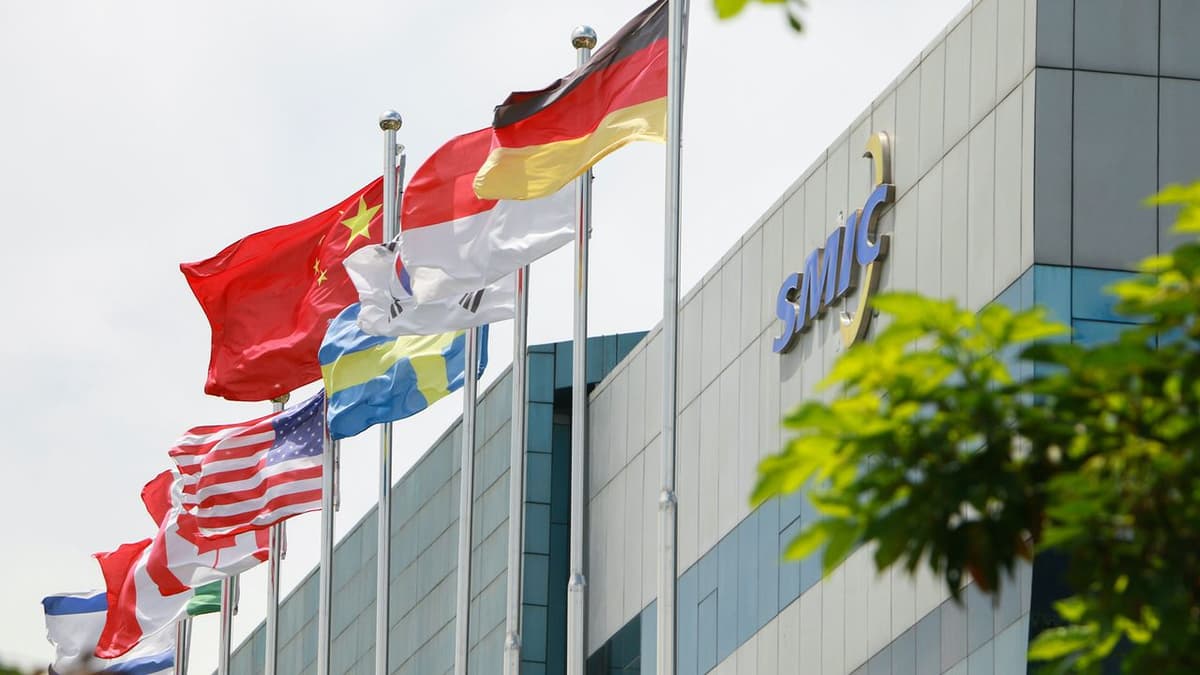
US Lawmakers Aim to Ban Export of DUV Chipmaking and Etching Tools to Leading Firms in China — Bipartisan Proposal Would Ban Lithography Equipment for Huawei, SMIC, and Others
Why It Matters
By tightening control over critical semiconductor tools, the legislation curtails China’s ability to accelerate advanced‑node chip production while preserving U.S. strategic leverage in the global equipment market.
Key Takeaways
- •MATCH Act moves export bans from fabs to specific companies.
- •Targets DUV lithography, etching tools for Huawei, SMIC, others.
- •Requires global coordination; extraterritorial reach if allies refuse.
- •75% domestic production threshold can lift restrictions later.
- •US tool makers risk losing Chinese market if alternatives grow.
Pulse Analysis
Since the 2021 curbs on 14‑nm logic and 128‑layer NAND equipment, U.S. policymakers have wrestled with the difficulty of policing tool usage at the fab level. Chinese chipmakers have been able to acquire advanced DUV lithography machines and repurpose them for 7‑nm‑class processes, exploiting gaps in audit and end‑use verification. This reality exposed the limits of a purely fab‑centric regime, prompting legislators to consider a more granular approach that targets the entities behind the fabs.
The MATCH Act proposes a hybrid model that ties export licenses to both the specific company and its affiliations, effectively blacklisting firms like SMIC, Huawei, CXMT, Hua Hong and YMTC regardless of the fab they operate. It also calls for an international coalition—initially the Netherlands, Japan, South Korea and Taiwan—to harmonize restrictions, with an extraterritorial clause that could capture foreign‑made tools containing U.S. technology. A novel 75 % threshold ensures that bans remain focused on genuine chokepoints, automatically easing when China can source the majority of a tool domestically.
For the semiconductor ecosystem, the bill signals a decisive move to limit China’s march toward advanced nodes, while warning U.S. equipment vendors of a potential market contraction. Companies such as Applied Materials and ASML could lose a sizable revenue stream if Chinese alternatives like AMEC or Naura scale, prompting a strategic reassessment of R&D investment and export‑license strategies. At the same time, allied governments will weigh the economic costs of alignment against the geopolitical imperative of containing military‑civil fusion capabilities, making the MATCH Act a pivotal point in the ongoing tech rivalry.
US lawmakers aim to ban export of DUV chipmaking and etching tools to leading firms in China — bipartisan proposal would ban lithography equipment for Huawei, SMIC, and others


Comments
Want to join the conversation?
Loading comments...