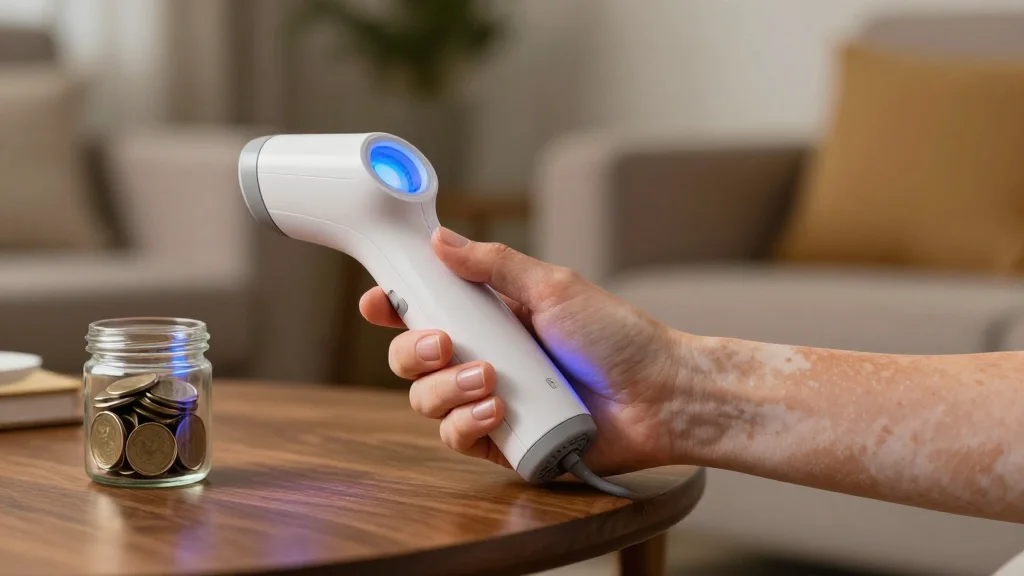
Meta-Analysis Supports Efficacy, Cost Savings of In-Home Vitiligo Therapy
Companies Mentioned
Why It Matters
The findings validate a lower‑cost, more convenient treatment pathway, expanding access for patients who face geographic or financial barriers to regular clinic visits. This could reshape dermatology practice models and insurance reimbursement strategies for chronic skin conditions.
Key Takeaways
- •Home UVB phototherapy matches office efficacy for >50% repigmentation.
- •Odds ratio for >75% repigmentation with home therapy: 1.26 (non‑inferior).
- •Patient adherence slightly higher at home (≈90%) versus clinic (≈84%).
- •Adverse event rates similar between home and office settings.
- •One‑year in‑office costs roughly four times home‑device purchase price.
Pulse Analysis
Narrowband UVB remains the gold standard for vitiligo management, but the conventional model demands patients travel to a clinic two to three times weekly. This logistical burden limits treatment continuity, especially for those in rural areas or with demanding schedules. Portable hand‑held UVB units have emerged as a practical alternative, yet clinicians have questioned whether at‑home use compromises efficacy or safety. The recent meta‑analysis provides robust evidence that home phototherapy achieves parity with office‑based protocols, delivering similar rates of >50% and >75% skin repigmentation across diverse Fitzpatrick skin types.
The study’s pooled data also shed light on patient behavior. Home users exhibited a marginally higher adherence rate—nearly 90% versus 84% for clinic attendees—suggesting that convenience translates into more consistent therapy. Safety profiles were comparable; the incidence of erythema, burning, and other mild adverse events did not differ significantly, reinforcing confidence in home device dosing when guided by professional oversight. These outcomes address longstanding concerns about uncontrolled UV exposure, highlighting the importance of structured education and periodic clinician follow‑up to mitigate risks such as perilesional hyperpigmentation.
From an economic perspective, the analysis underscores a compelling value proposition. Annual expenses for in‑office UVB—factoring insurance reimbursements and out‑of‑pocket costs—are roughly four times higher than the upfront purchase of a full‑size home panel, with handheld units offering even greater savings. This cost differential, combined with comparable clinical results, positions home phototherapy as a disruptive force in dermatology reimbursement and care delivery models. As insurers and providers recognize these benefits, we can anticipate broader coverage policies and a shift toward hybrid treatment regimens that blend remote monitoring with occasional in‑person assessments, ultimately expanding access to effective vitiligo care.
Meta-Analysis Supports Efficacy, Cost Savings of In-Home Vitiligo Therapy
Comments
Want to join the conversation?
Loading comments...